

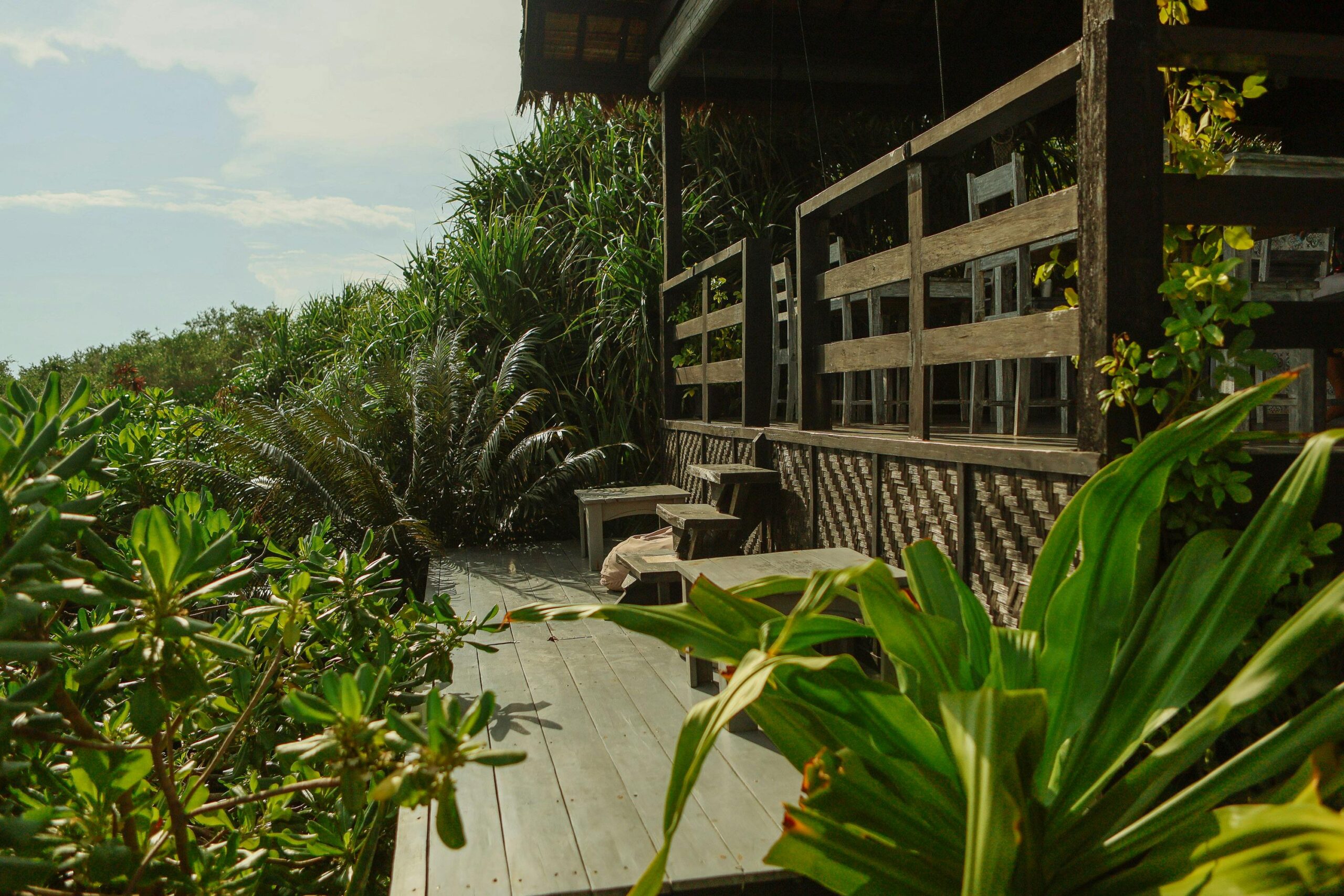
Maximising space in a small garden can be a challenge, especially when you want to create an inviting outdoor area. A well-designed deck can transform a tiny backyard into a functional and stylish extension of your home. Let’s explore five deck designs that are perfect for small gardens, helping you make the most of every square metre.
When planning your small garden deck, consider the overall aesthetic you want to achieve. Whether you prefer a modern, minimalist look or a more rustic, natural feel, the right design can significantly enhance your outdoor living space. Also, think about how you intend to use the deck; will it be for dining, relaxing, or entertaining? This will influence the size, layout, and features you incorporate.
The classic corner deck
A corner deck is an excellent solution for utilising awkward or unused corners in a small garden. By nestling the deck into a corner, you create a defined space without taking up valuable central area. This design works particularly well if your garden has an irregular shape.
Consider adding built-in seating along the edges of the corner deck to maximise space and provide comfortable lounging areas. You can also incorporate planters into the design to soften the edges and bring some greenery onto the deck. This design is a great way to add value and style, and looking for decking in Perth can help you find the right materials and professionals to bring your vision to life.
The elevated platform deck
An elevated platform deck can create a sense of separation and definition in a small garden. By raising the deck slightly above ground level, you create a distinct outdoor “room”. This design works well for gardens that are on a slope or have uneven terrain.
To enhance the elevated feel, consider adding steps leading up to the deck. You can also incorporate under-deck storage to utilise the space beneath the platform. Railings or balustrades can add a touch of elegance and provide safety, especially if the deck is significantly elevated.
The multi-level deck
If your garden has varying levels or you want to create visual interest, a multi-level deck can be an excellent choice. This design involves creating different tiers or platforms connected by steps, allowing you to define separate zones within the small space.
Use each level for a different purpose – perhaps one for dining, one for lounging, and one for a small garden. Consider incorporating built-in lighting to illuminate the different levels and create a visually stunning effect at night. The key is to design the levels in a way that feels cohesive and flows naturally with the garden’s existing landscape.
The narrow balcony deck
For very small gardens or balconies, a narrow deck can provide just enough space for relaxing and enjoying the outdoors. This design typically runs along the length of a wall or fence, providing a compact yet functional area.
Choose narrow decking boards to maximise the usable width of the deck. Add a small bistro table and chairs for a cosy dining area, or simply use the space for a comfortable outdoor seat. Vertical gardening can be a great addition to a narrow deck, allowing you to add greenery without taking up valuable floor space. The right design makes all the difference when it comes to the core concept of decking.
The integrated pathway deck
An integrated pathway deck combines a deck with a garden pathway, creating a seamless transition between different areas of your outdoor space. This design is perfect for small gardens where you want to connect various features, such as a seating area, a garden bed, and a lawn.
The pathway can weave through the garden, with small deck areas strategically placed along the way. This creates a sense of exploration and encourages movement through the garden. Use different materials and textures for the pathway and the deck to create visual interest and define the separate zones. The addition of decking can make all the difference.
Materials and considerations for your small garden deck
Choosing the right materials is crucial for creating a durable and visually appealing deck. Timber decking is a popular choice for its natural look and feel, but it requires regular maintenance to prevent rot and decay. Composite decking is a low-maintenance alternative that mimics the appearance of timber but is more resistant to the elements. Consider your budget, lifestyle, and aesthetic preferences when selecting materials.
Council regulations and building codes may apply to deck construction, so it’s essential to check with your local council before starting any work. Factors such as deck height, proximity to boundaries, and drainage requirements may need to be considered. Obtaining the necessary permits and approvals can help you avoid costly fines and ensure your deck is compliant with all regulations.
Planning your deck design
Careful planning is essential for creating a small garden deck that meets your needs and enhances your outdoor space. Start by measuring your garden and sketching out different layout options. Consider the orientation of your garden and how much sunlight it receives, as this will influence the placement of your deck and the types of plants you can grow nearby.
Think about the features you want to incorporate into your deck, such as seating, lighting, planters, and storage. Create a mood board or Pinterest board to gather inspiration and visualise your desired aesthetic. Don’t be afraid to experiment with different ideas and seek professional advice to ensure your deck is structurally sound and visually appealing.
Maximising space with clever design
In a small garden, every square metre counts, so it’s important to maximise space with clever design solutions. Built-in seating can save space compared to freestanding furniture, while vertical gardening can add greenery without taking up valuable floor area. Consider using multi-functional furniture that can be easily folded away or stored when not in use.
Mirrors can create the illusion of space and reflect light, making your garden feel larger and brighter. Light-coloured decking boards can also help to brighten up a small garden and create a sense of openness. By incorporating these design tricks, you can transform your small garden into a functional and inviting outdoor oasis. The addition of some simple decking ideas can transform the space.
Maintaining your deck
Regular maintenance is essential for keeping your small garden deck in good condition and prolonging its lifespan. Sweep the deck regularly to remove dirt and debris, and wash it down with a mild detergent and water to prevent the build-up of algae and mould. Inspect the deck for any signs of rot, decay, or insect damage, and address any issues promptly.
If you have a timber deck, apply a sealant or stain every one to two years to protect it from the elements. Composite decks require less maintenance but may still need occasional cleaning to remove stains and dirt. Proper maintenance will not only keep your deck looking its best but will also ensure it remains safe and functional for years to come. The right decking and proper maintenance ensure the longevity of the deck.
Conclusion
Creating a small garden deck can be a rewarding project that transforms your outdoor space into a functional and stylish extension of your home. By choosing the right design, materials, and features, you can maximise space, create visual interest, and enjoy the benefits of outdoor living, even in a tiny backyard. With careful planning and regular maintenance, your small garden deck can become a cherished part of your home for years to come. If you are looking for the best in professional decking, you need to consider the options available to you.