

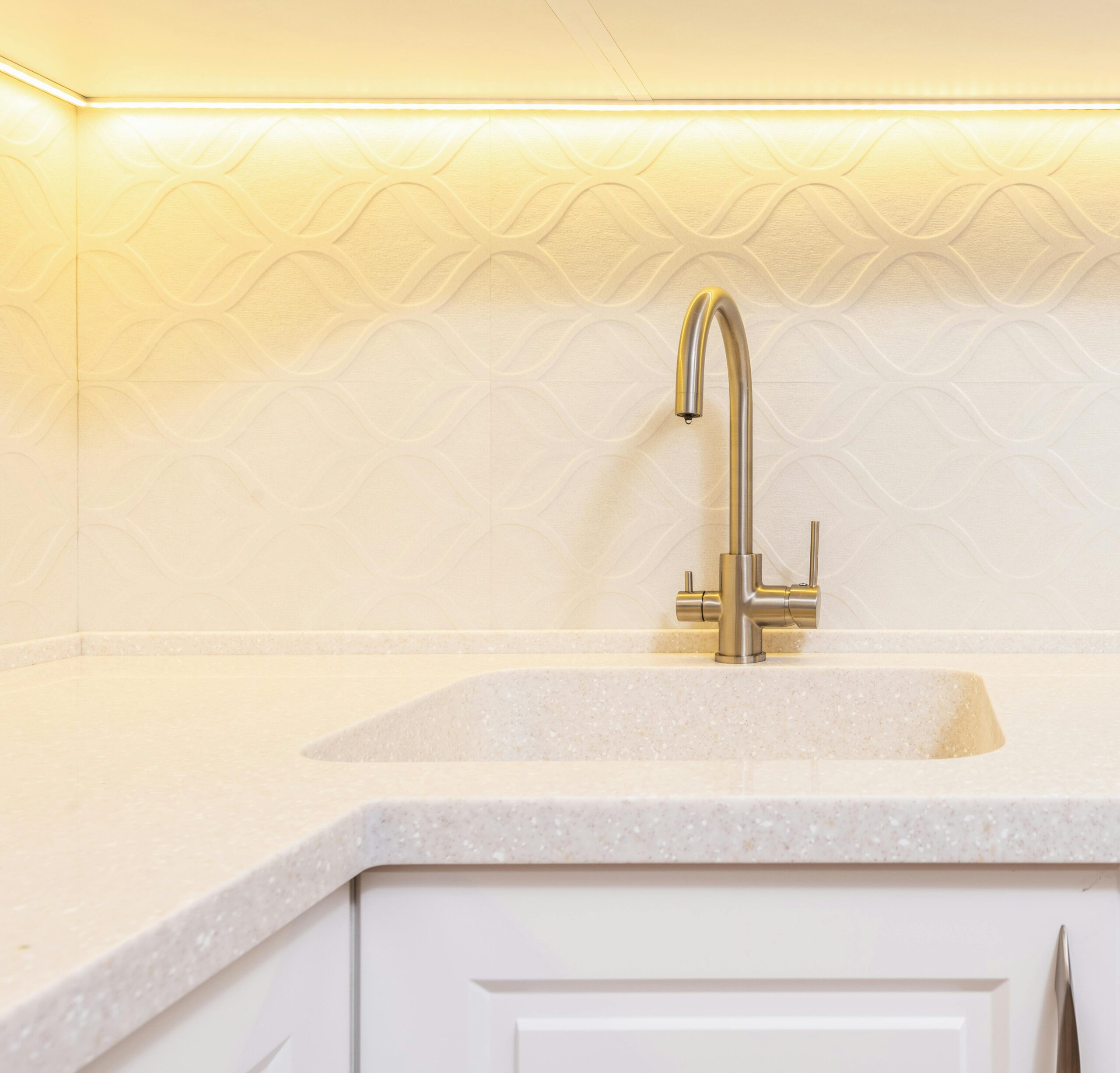
A kitchen renovation can dramatically transform a home’s look, functionality, and resale appeal. If you plan wisely, you can avoid common pitfalls and boost long-term value. Here are top tips to help your kitchen remodel go smoothly and efficiently.
1. Set a Realistic Budget
Start with a clear budget for your renovation. List costs for cabinets, countertops, appliances, labor, permits, and unexpected expenses. Use a home value estimator to understand how much value your improvements may add. That helps you decide where to invest more and where to save.
2. Plan Your Layout Carefully
Think about how you use your kitchen each day. Do you need more counter space, a bigger island, or a breakfast bar? Sketch several layout options and consult a designer if necessary. Optimizing workflow between sink, stove, and refrigerator saves time and makes the kitchen more functional.
3. Choose Timeless Materials
Materials matter for both aesthetics and longevity. Select cabinet finishes, countertops, and flooring that will stay stylish and durable over the years. Classic quartz or natural stone, well-made cabinetry, and quality hardware offer long-term value compared to trendy or cheap options.
4. Hire Reliable Professionals
Choose experienced contractors, electricians, and plumbers who have strong track records. Get multiple quotes, check references, and review past projects. A good contractor will manage the schedule, avoid costly mistakes, and deliver quality work on time.
5. Prioritize Lighting and Ventilation
A well-lit kitchen feels more welcoming and safer. Include a mix of task lighting, ambient lighting, and under-cabinet lights. Good ventilation matters, too: a powerful range hood removes cooking odors and moisture, and it protects cabinets and walls from grease buildup.
6. Consider Energy Efficiency
Energy-efficient appliances and fixtures reduce long-term operating costs and appeal to buyers. Choose Energy Star rated refrigerators, dishwashers, and induction cooktops. Install LED lighting and low-flow faucets to save on utilities without sacrificing comfort.
7. Get Permits and Follow Codes
Skipping permits may save money or time in the short term, but it often creates trouble later. Make sure to pull the correct permits and comply with local building codes. Inspections ensure that electrical, plumbing, and structural work meets safety standards.
8. Plan for Storage and Organization
Good storage makes your kitchen more functional and visually clean. Incorporate pull-out shelves, deep drawers, pantry solutions, and built-in organizers. Well planned cabinets and drawers not only improve daily life but also add appeal if you sell in the future.
9. Stay Flexible but Prepared
Renovations often come with surprises. Be ready for delays, hidden damage, or cost adjustments. Build in a contingency fund of 10 to 20 percent of your budget to handle unexpected issues smoothly and without stress.
10. Focus on Return on Investment
A quality kitchen upgrade can significantly increase resale value. Use a home value estimator tool to model different renovation scenarios and estimate the return on your investment. Prioritize improvements that add both function and style, such as cabinet upgrades, quality countertops, and modern appliances.
Final Thoughts
A kitchen renovation is a major project, but with thoughtful planning, smart budgeting, and skilled professionals, it can transform your space and increase your home’s long-term value. Use a home value estimator early to guide your investment choices and to ensure your renovation pays off.
If you’d like, I can turn this into a downloadable checklist to guide you through each phase of your kitchen remodeling project.