

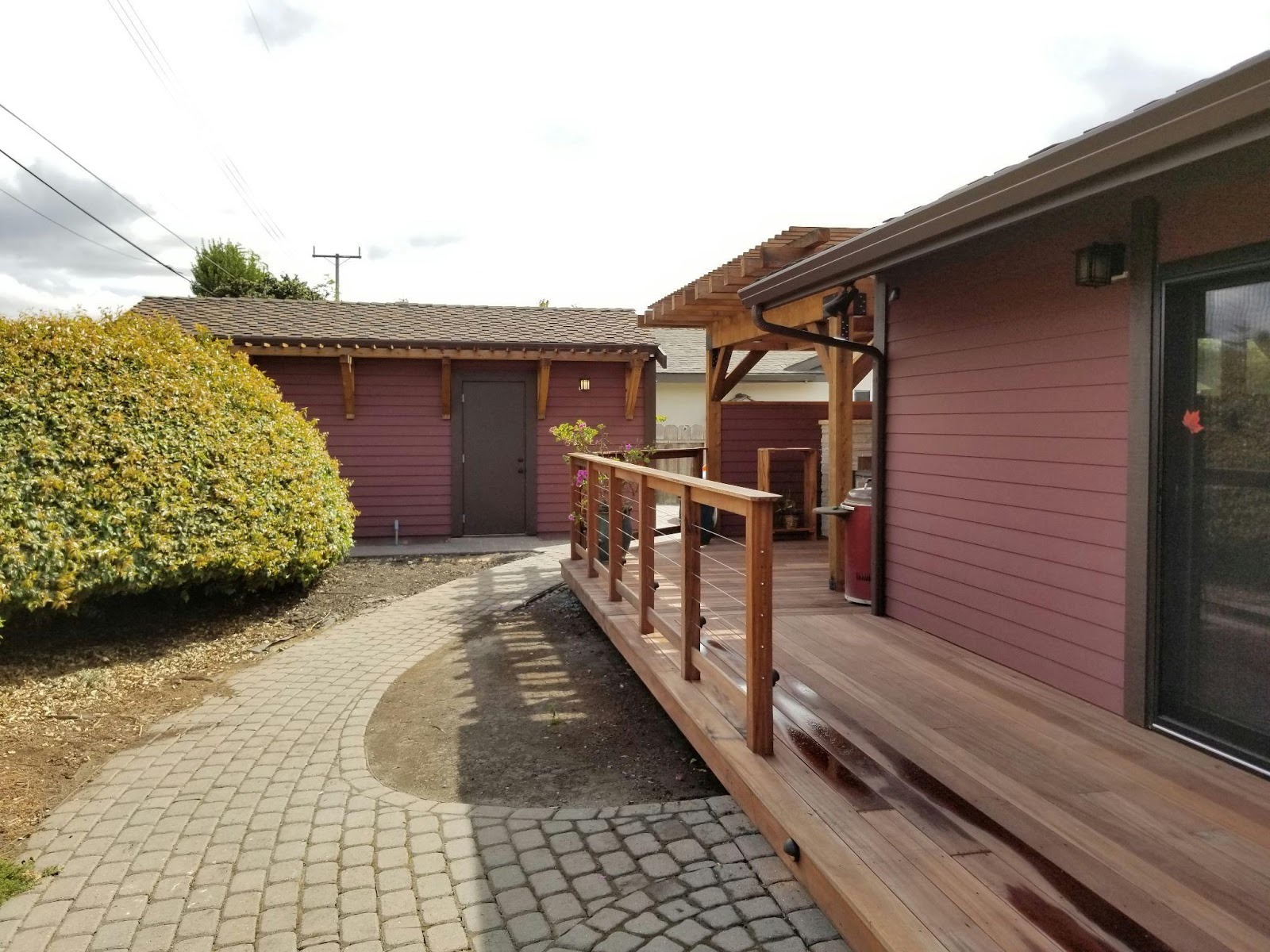
Most people think improving curb appeal requires a dramatic renovation, a new façade, new landscaping, sometimes even a full porch rebuild. But the truth is usually quieter than that. Homes change their presence in far more subtle ways, through small upgrades that shift how the exterior feels rather than how it’s engineered. That’s why homeowners so often gravitate toward elements that balance practicality and design, such as the custom work offered by Venango Awning. A simple awning or exterior feature, when chosen thoughtfully, can anchor the entire visual impression of a home without demanding the time and cost of a major overhaul.
And it’s interesting how quickly people notice those changes even if they can’t immediately explain what’s different. A home that once looked exposed suddenly feels more deliberate. The entryway reads as welcoming instead of unfinished. A patio that used to feel forgotten suddenly has shape and intention. Small exterior upgrades are like subtle punctuation marks: they guide the eye, clarify the composition and give the home an expression it didn’t quite have before.
The understated influence of shade structures
Awnings fall into a category of outdoor features that people underestimate until they see the difference in person. They add depth to a flat façade, creating a sense of dimension that makes a house look more established. For older homes especially, where roofing lines and window placements sometimes feel visually unbalanced, an awning can pull the elements together. And it’s not only about style though style matters but the feeling of care they communicate.
When you install a well-designed awning above a doorway or window, the home gains a quiet coherence. You start to see how the colors interact with the siding, how the shadow beneath the awning softens harsh sunlight, how the proportion makes the entry feel grounded. It’s the kind of improvement that happens almost instantly. People who walk by may not know why the house looks better, but they feel the difference.
Creating functional outdoor moments
Homes in many regions rely on porches, patios and outdoor seating areas for daily living, but those spaces often sit unused because they’re too exposed. Rain, sun and shifting weather patterns make it difficult to treat these areas as livable extensions of the home. A small exterior upgrade, a canopy, a fitted shade or a customized awning can transform that dynamic.
Suddenly the patio is usable in the afternoon without squinting. The porch becomes a space where you can sit with a morning drink even when the weather is unpredictable. Children can use the outdoor area more comfortably, and furniture lasts longer because it isn’t constantly exposed. These changes don’t alter the physical structure of the home, yet they shift how the family lives with it. And when daily use increases, curb appeal increases in an almost indirect way, because people visually sense a space that’s loved and lived in.
Bringing order and intention to the façade
One of the most common challenges for homeowners is dealing with an exterior that feels visually scattered. Elements don’t quite align, or the home lacks a focal point. A small outdoor upgrade can change that. An awning, for instance, acts as a visual anchor, a point that ties windows, doors and architectural lines together. Instead of multiple surfaces competing for attention, the eye lands on a unified shape or shadow that organizes the scene.
This effect is especially noticeable on homes where the entry feels small or undefined. Adding the right awning makes the doorway feel proportionate to the rest of the building. It creates a sense of arrival. Even if nothing else changes, not the paint, not the landscaping the home appears more balanced. The improvement isn’t loud, but it’s persistent, and it lasts through the seasons.
Weather protection that preserves the home’s appearance
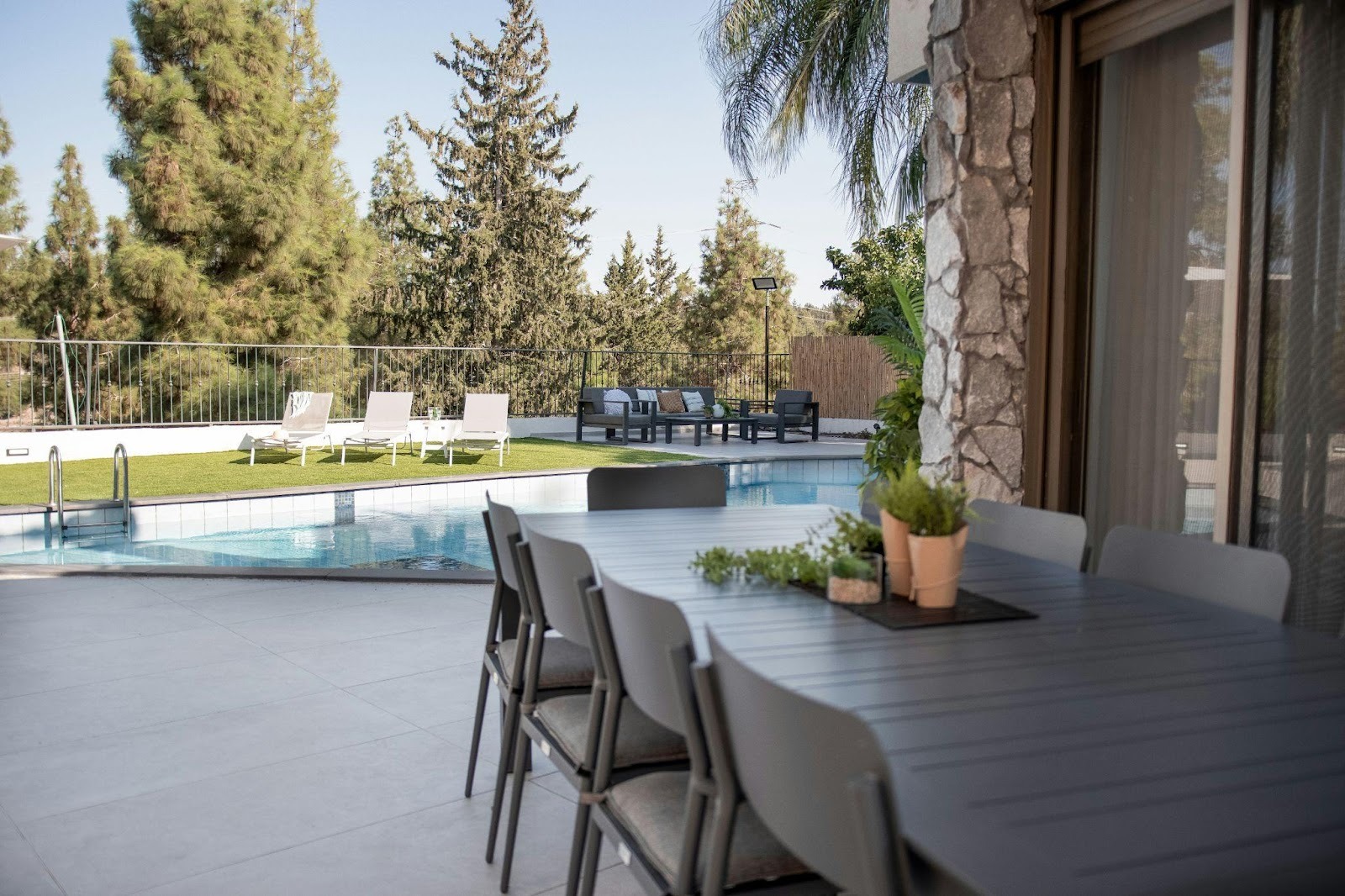
Small upgrades contribute to curb appeal not just through style, but longevity. Sunlight fades paint and wood faster than people expect. Rainwater stains areas around doors and windows. Snow and ice can accelerate the aging of even durable exterior surfaces. A simple awning placed correctly can protect these vulnerable areas, reducing wear and helping the home look cleaner and more maintained over time.
Homeowners sometimes overlook how much value lies in preserving what already exists. A freshly repainted door stays fresh when sheltered. Window trim maintains its sharp lines. Vinyl siding or brickwork retains clarity instead of becoming mottled by water marks. Value accumulates in those subtle, ongoing protections, and visitors tend to read that preservation as good maintenance rather than luck.
Color and texture as tools for personality
Awnings also open an opportunity to inject personality into a home without committing to a full exterior color change. A striped canvas, a deep solid tone, a textured metal these choices signal style without overpowering the rest of the architecture. They can echo the home’s existing palette or add a gentle contrast that brings life to an otherwise neutral façade.
These choices matter more than they seem. A slightly warm-toned awning can soften a stark brick exterior. A clean, modern metal design can bring a traditional house into a more contemporary look without erasing its history. And because awnings are relatively easy to update, homeowners find they can refresh the exterior every decade or so without the heavy cost of repainting or remodeling.
Framing the entry as a meaningful space
Visitors almost always judge a home subconsciously by the entry. Even when landscaping is immaculate and siding is pristine, an underwhelming entry tends to flatten the home’s appeal. Adding an awning above a door, especially one that’s otherwise plain, gives the entrance a sense of importance. It feels deliberate rather than accidental. It creates a natural pause point, a place where guests instinctively slow down, where the home feels prepared to receive them.
This might sound small, but when you observe homes with and without that definition, the difference is striking. One feels complete; the other feels like it’s missing a layer. And curb appeal often has more to do with a sense of completion than perfection.
The ripple effect of a single upgrade
What makes small outdoor changes powerful is how they influence the rest of the home. A homeowner who installs an awning suddenly becomes more aware of how the walkway looks, how the lighting sits around the door, how the planter or railing interacts with the new shape. The home invites further care, but without pressure. Improvements follow naturally because the upgraded element has already set a tone.
Sometimes people say that improving curb appeal is about big gestures. Yet more often it’s about infusing intention into one area, which then radiates outward. A thoughtfully chosen awning, a bit of shade, a subtle architectural line these things shift perception gently. And in many neighborhoods, gentle shifts can make a home feel entirely renewed.