

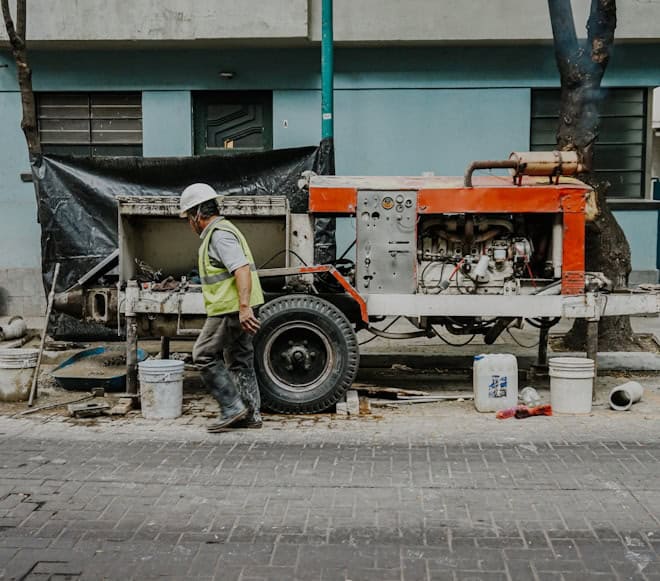
Completing a construction project can be very exciting until it’s time to clean, and you realize that sweeping and wiping down surfaces is far from enough.
While most contractors focus on the build, it’s the final cleanup phase that determines whether clients will recommend you to others.
Here’s why professional post construction cleanup is essential for project success.
Why DIY Cleanup Often Leads to Safety Hazards and Delays?
When construction projects are almost completed, cleaning up seems tempting. However, DIY cleanup often raises safety concerns and leads to costly project delays.
Common Safety Hazards in DIY Post Construction Cleanup
Construction sites leave behind many hidden dangers that inexperienced cleaners often overlook. Sharp debris poses a great threat, with nails, glass shards, and wood splinters scattered throughout the workspace. These hazards can cause serious injuries to cleaning crews, future occupants, or inspection teams.
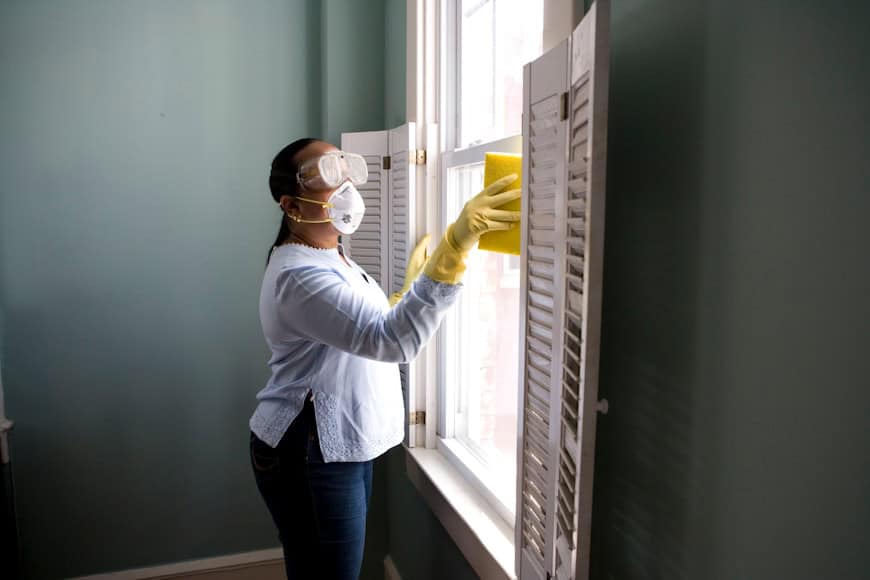
Dust and airborne particles are another significant health risk. Construction dust contains microscopic particles that can irritate the respiratory system and trigger allergic reactions. Without proper ventilation and filtration equipment, DIY cleaning efforts often redistribute these particles rather than remove them.
Improper disposal of hazardous construction materials creates both environmental and legal liabilities. Paint residues, solvents, and chemical cleaning agents require specific disposal methods that untrained individuals may not understand. Slippery surfaces created by leftover construction residue, including wet cement dust and adhesive materials, pose additional slip-and-fall hazards.
Typical Causes of Project Delays
DIY cleanup efforts often overlook critical debris that must be addressed before final walkthroughs or inspections. This requires emergency re-cleaning as soon as possible, and last-minute professional intervention usually costs a lot more than scheduling proper cleanup from the beginning.
Why DIY Efforts Often Miss the Mark
The most common reasons DIY cleaning is ineffective are:
- Lack of equipment. HEPA vacuums, industrial-grade cleaners, and specialized tools for removing construction residue are essential for thorough cleaning but expensive to purchase or rent for one-time use.
- Inexperience with post construction cleanup protocols. Professional cleaners understand the specific sequence of cleaning tasks and know which areas require special attention based on the type of construction work completed.
- Underestimating the time and labor required for a thorough cleanup. What appears to be a simple cleaning task often requires multiple people working for several days to complete properly.
The Difference Between a Builder’s Cleanup vs. Professional Deep Cleaning
What Does a Builder’s Cleanup Usually Include?
A builder’s cleanup usually includes debris removal, sweeping, and surface-level dusting. It removes the most obvious construction waste but doesn’t include attention to hidden areas or specialized cleaning of fixtures and appliances, details that impact long-term satisfaction and safety.
What Does Professional Deep Cleaning Deliver?
Professional deep cleaning services provide comprehensive attention to all surfaces, including walls, ceilings, and ventilation systems.
Construction projects generate an enormous amount of debris, dust, and residue that standard cleaning methods can’t handle effectively. Professional post contruction cleaning services understand the unique challenges of these environments, from fine drywall dust that settles into every crevice to adhesive residues from protective films.
Specialized equipment and techniques are essential for achieving the thorough cleanliness needed before occupancy. Without proper commercial post-construction cleanup projects, even the most beautiful renovation can feel incomplete.
Removal of adhesive residue, paint splatters, and grout haze requires specialized knowledge and equipment. Sanitization of kitchens, bathrooms, and high-touch areas ensures that spaces are not only clean but also hygienic for immediate occupancy.
Professional services also address often-overlooked areas such as inside cabinets and drawers, light fixtures and ceiling fans, and air vents and HVAC systems.
How Does Proper Cleanup Affect Final Inspections and Client Satisfaction?
The quality of post-construction cleanup directly impacts official inspections and client perceptions, making it a critical component of project success.
Impact on Final Inspections
Inspectors focus heavily on cleanliness and safety compliance during final walkthroughs. Dust-covered surfaces, debris in unexpected areas, and improper disposal of construction materials can lead to failed inspections and costly delays.
Common inspection failures include dust in HVAC systems, which can lead to poor air quality reports, and construction debris blocking emergency exits.
Impact on Client Satisfaction
First impressions of the finished space significantly impact client satisfaction and future referrals.
A thoroughly cleaned space allows clients to appreciate the quality of construction work without distraction from dust or debris. Reduced move-in stress for clients creates positive associations with the contractor, while fewer callbacks for post-move cleaning protect the contractor’s reputation.
Long-Term Benefits
Consistently delivering clean spaces ready for move-in brings contractors positive reputations. That increases the likelihood of positive reviews and referrals, which helps increase brand awareness and boosts their hiring rate.
Cost Comparison: DIY Mistakes vs. Professional Service Investment
Understanding the actual costs of DIY cleanup versus professional services reveals why the investment in professional post construction cleanup pays dividends.
Hidden Costs of DIY Cleanup
Time spent by homeowners or staff on cleanup represents a significant opportunity cost. The cost of renting or buying cleaning equipment often exceeds the price of professional services when all tools and supplies are considered. Medical expenses from injuries or health issues caused by exposure to construction dust create unexpected costs and liability concerns.
Value of Professional Post-Construction Cleaning
Transparent, upfront pricing allows for accurate budgeting and eliminates unexpected expenses. Insurance coverage for accidental damages protects both contractors and property owners from liability concerns.
Time savings and peace of mind allow contractors to focus on their core competencies while ensuring cleanup is handled properly.
Return on Investment
Faster project turnover allows contractors to take on new projects more quickly, increasing their overall capacity and revenue. Higher client satisfaction and fewer disputes protect the contractor’s reputation and reduce ongoing costs.
Long-term savings by avoiding costly mistakes make professional cleanup an investment rather than an expense.
Conclusion
The final cleanup phase of any construction project deserves the same attention to detail and professional standards as the build itself. While DIY post construction cleanup may seem like a cost-saving measure, the hidden costs, safety risks, and potential for client dissatisfaction make professional services the smarter investment.
By understanding the difference between basic cleanup and professional deep cleaning, contractors can make informed decisions that protect their reputation and ensure client satisfaction.