
Rising damp continues to affect many UK homes, particularly older properties without effective damp-proofing. Despite improvements in building standards, this moisture problem often goes unnoticed until significant damage occurs, leading to costly repairs and ongoing maintenance.
The key reason rising damp remains a hidden enemy is that its early signs, like peeling paint and musty odours, are easy to overlook but can cause serious structural issues over time. Modern damp proofing techniques, such as chemical damp proof courses, provide effective barriers that stop moisture rising through walls, preventing further damage and saving homeowners significant future costs.
Understanding how rising damp works and recognising its symptoms is essential for managing risks in older buildings. With the right interventions, property owners can protect their homes, preserve their value, and avoid the expensive consequences of untreated damp.
Understanding Rising Damp in UK Homes
Rising damp occurs when moisture from the ground travels upwards through a building’s walls via porous materials. It often appears in older properties lacking proper damp-proof barriers. Identifying its causes, symptoms, and persistence is essential for effective treatment and prevention of damage.
What Rising Damp Is and How It Develops
Rising damp happens when groundwater is drawn up through bricks, mortar, or stone by capillary action. This moisture movement is gradual but relentless, allowing water to saturate lower walls. The problem primarily affects homes built before modern damp-proof courses (DPC) were standard.
Buildings without an effective DPC allow moisture to rise inside walls, carrying salts that can damage plaster and masonry. The presence of external ground moisture combined with materials that absorb water facilitates this process, and poor ventilation can worsen it.
Common Signs of Rising Damp
Key indicators of rising damp include:
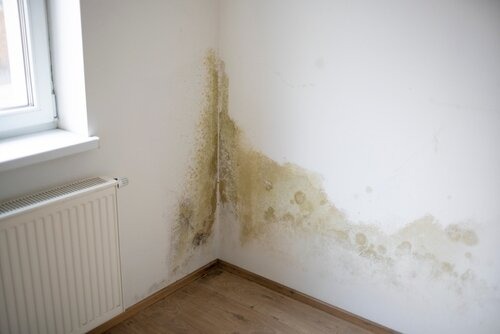
- A tide mark on walls approximately 1m above ground level
- Peeling or blistering paint and wallpaper near the floor
- Damp, musty smell in affected rooms
- Salt deposits and crumbling plaster at the base of walls
These symptoms often occur in basements, ground floors, or areas with stone or brick walls. Confirming rising damp requires careful inspection, as it is regularly confused with condensation or penetrating damp.
Why Rising Damp Remains Prevalent in the UK
Rising damp remains common due to the age and construction of many UK homes. Houses built before the 1920s or those without updated damp-proofing systems are particularly at risk. The UK’s damp climate and high rainfall create conditions conducive to the problem.
Additionally, many homeowners misdiagnose damp issues, delaying treatment. Lack of awareness around proper maintenance and modern solutions allows moisture to damage properties and reduce their value. This persistence necessitates professional surveys and tailored damp-proofing treatments to mitigate future repair costs.
Long-Term Dangers and Costs of Hidden Rising Damp
Rising damp often goes unnoticed until significant damage occurs. Its gradual impact extends beyond visible stains, affecting building stability, indoor air quality, and homeowner expenses. The unseen consequences frequently lead to costly repairs and health issues.
Impact on Structural Integrity
Rising damp undermines the foundation of many older properties, especially those with porous materials like brick and stone. Moisture travels upward through capillary action, weakening mortar and plaster over time. This process causes decay in timber frames, fosters wet rot, and damages floorboards.
Salt deposits carried by moisture crystallise within walls, leading to flaking and crumbling of plaster and bricks. Left untreated, this damage escalates to structural instability, increasing the risk of costly repairs to walls, foundations, and load-bearing structures.
Health Risks Associated with Damp
Persistent damp increases indoor humidity, creating an ideal environment for mould growth. Mould spores can trigger respiratory problems, asthma, and allergic reactions, significantly affecting vulnerable individuals such as children and the elderly.
Damp conditions also encourage dust mites and bacteria, reducing air quality. Prolonged exposure to these health hazards can lead to chronic illnesses, which may require medical treatment and cause long-term discomfort in the home.
Hidden Financial Burdens for Homeowners
The initial signs of rising damp are often mistaken for minor condensation or water ingress, delaying proper treatment. This neglect results in escalating repair costs, involving specialist damp-proofing, plaster replacement, and potentially major structural work.
Insurance premiums may rise if damp issues are declared, while property value often decreases in affected homes. Energy bills can increase as damp walls reduce thermal efficiency, forcing heating systems to work harder. Timely damp-proofing installation saves significant expenses by preventing these compounded financial stresses.
Modern Damp-Proofing Solutions and Their Advantages
Effective management of rising damp depends on using advanced methods that directly address moisture ingress and its root causes. These solutions improve building durability, reduce health risks, and save substantial costs by preventing extensive structural damage.
Latest Damp-Proofing Technologies
Modern damp-proofing uses a combination of physical barriers, chemical treatments, and diagnostic tools. Chemical damp-proofing creams, injected into walls, create a moisture-resistant layer that stops rising damp by blocking capillary action.
Advanced membranes composed of synthetic materials offer long-lasting protection when installed during construction or renovation. Sensors and moisture meters have also advanced, allowing precise identification of damp sources for tailored treatment plans.
Integrating several methods often yields the best results, addressing rising damp, condensation, and penetrating damp simultaneously. These techniques reduce the risk of further moisture damage and improve the home’s energy efficiency.
Benefits of Early Damp-Proofing
Detecting and treating rising damp early prevents widespread decay of timber, plaster, and masonry. Early intervention minimises the development of salt deposits and mould, which can compromise indoor air quality and occupant health.
Proactive damp-proofing limits the extent of repairs needed, saving homeowners from costly restorations. It also helps maintain property value by preserving structural integrity and appearance.
In addition, early measures support energy efficiency by preventing damp-related heat loss in walls, thus reducing heating bills over time. These combined benefits underline the importance of addressing damp issues promptly.
How Professional Damp-Proofing Prevents Future Repair Costs
Experienced damp-proofing specialists provide accurate diagnosis using advanced tools and techniques. They customise treatments to the building’s materials, age, and environment, ensuring effective moisture control.
Professionals can install or repair damp-proof courses, chemical injections, ventilation improvements, and drainage systems. These targeted solutions reduce recurring damp problems, limiting the risk of structural damage that leads to expensive repairs.
The long-term cost savings from professional work outweigh initial investment costs. Correct installation and maintenance reduce the chance of deterioration requiring major construction work later, protecting the home’s value. https://damps.co.uk/
Selecting the Right Damp-Proofing Experts
Choosing qualified and certified damp-proofing experts is crucial. Professionals with solid experience in local building types and regulations deliver more reliable results.
Look for companies that offer thorough site surveys, transparent quotes, and tailored treatment plans. Reviews and professional accreditations provide insight into their reliability and expertise.
Effective communication and follow-up support are also key. Experts should educate homeowners on maintenance actions to extend treatment lifespan and avoid future damp recurrence.
Frequently Asked Questions
Rising damp shows distinct physical signs and has specific impacts on a property and its occupants. The methods used to counteract it have evolved, offering more effective and lasting results compared to older techniques. Understanding these factors can help homeowners make informed decisions.
What are the common signs that indicate the presence of rising damp in homes?
Typical signs include damp patches on lower walls, peeling or blistering paint, and salt deposits on affected surfaces. There may also be a persistent musty odour and damp staining at the base of walls.
Timber skirting boards and plaster may swell or decay. Rising damp often affects the bottom 1–1.5 metres of walls due to moisture wicking upwards from the ground.
How does modern damp-proofing differ from traditional methods?
Modern damp-proofing often uses chemical injections to create a waterproof barrier within the mortar or masonry. This contrasts with traditional methods that relied on physical barriers installed during construction.
These chemical damp-proof courses are less invasive and more adaptable to existing buildings. They also tend to provide longer-lasting protection against moisture.
What are the long-term effects of untreated rising damp on a property?
If left untreated, rising damp can cause significant structural damage by weakening walls and plaster. Over time, this moisture can compromise bricks and mortar, leading to costly repairs.
There is potential for timber decay in wooden components, which further degrades a building’s integrity. Untreated damp can also reduce a property’s market value and cause aesthetic deterioration.
Can rising damp affect the health of the residents, and if so, how?
Yes, rising damp encourages mould growth, which produces spores that can aggravate respiratory conditions. Vulnerable individuals, such as children, the elderly, or those with asthma, are especially at risk.
Persistent damp conditions may also contribute to poor indoor air quality and discomfort, affecting overall health.
What are the steps involved in professionally damp-proofing a home?
The process usually begins with a thorough inspection and diagnosis. Next, a chemical damp-proof course is injected into the mortar line or wall base to form a moisture barrier.
Additional measures may include removing affected plaster and redecorating with breathable materials. Specialists may also improve external drainage or install ventilation to assist drying.
What is the estimated cost of damp-proofing a home, and how does it compare to future repair expenses?
Costs vary but generally range between £1,000 and £3,000 for a typical house. This upfront investment is significantly lower than the potential tens of thousands needed for structural repairs if rising damp is left untreated.
Early damp-proofing prevents extensive damage and reduces the need for invasive repairs, offering better value over time.