
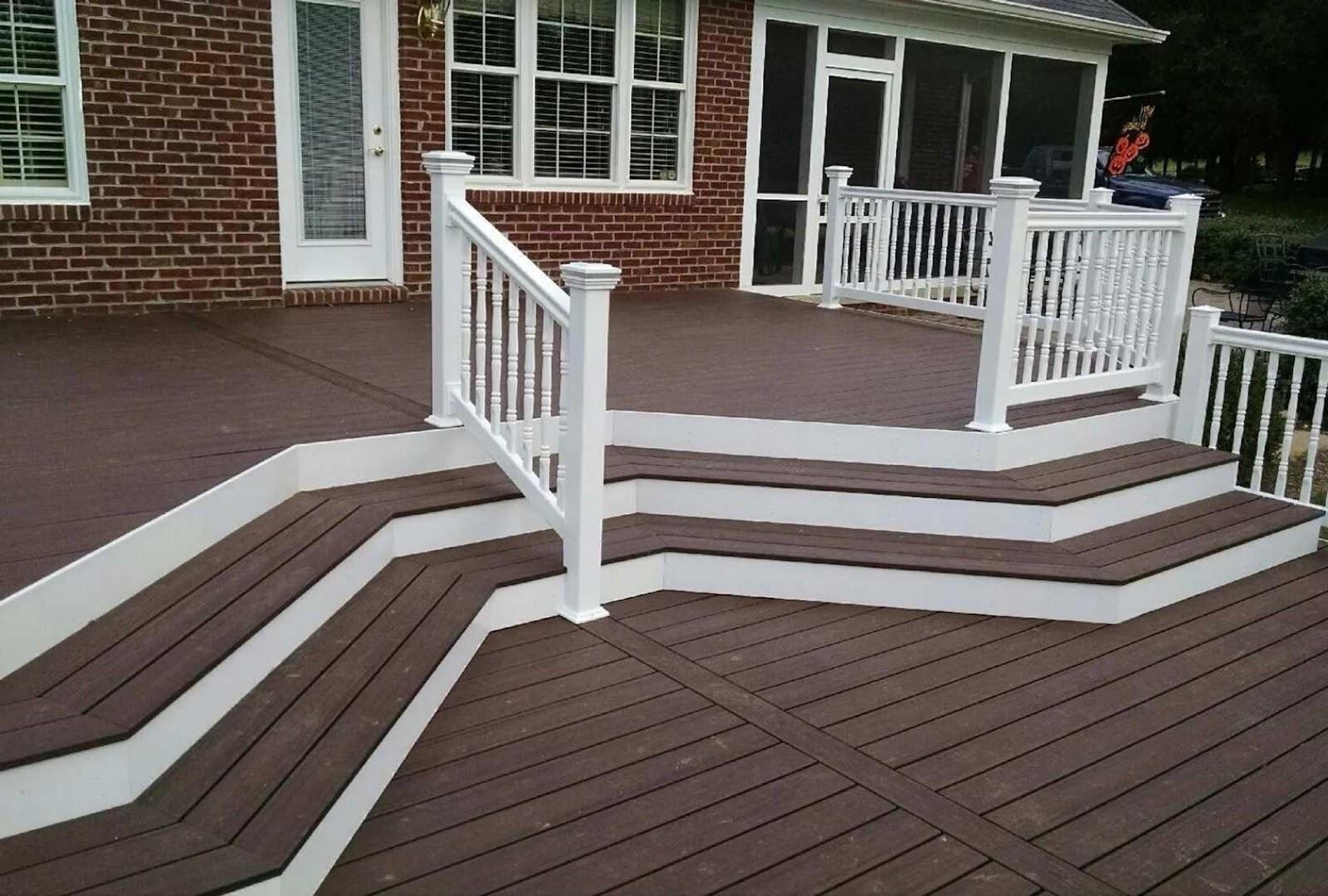
Outdoor living spaces have become one of the most important features of modern homes. In many states—especially across the Pacific Northwest—homeowners want outdoor areas that last longer, look better, and require less day-to-day upkeep. Because of this shift, composite decking has quickly become the preferred choice for many homeowners, replacing traditional wood in both new builds and remodeling projects.
This article breaks down why composite decking is overtaking wood, supported by homeowner behavior, climate considerations, and industry data. If you are planning a new deck or thinking about replacing an aging wood structure, these insights will help you understand why composite is gaining so much momentum.
📊 A Look at the Rising Popularity of Composite Decking
Over the last decade, composite decking sales have grown rapidly across the United States. In many regions, composite now makes up over 50% of all deck surfaces installed. Homeowners are actively searching for lower-maintenance alternatives, and composite fits that need perfection.
What the data shows:
- Demand for composite decking has increased 30–40% in the last 5–7 years.
- Wood decking has seen a noticeable decline, especially in areas with wet, humid, or unpredictable weather.
- Homeowners are more likely to prioritize durability over initial cost.
- Online searches for terms like “best long-lasting deck materials” and “weather-resistant outdoor boards” continue to rise.
This shift is driven by one simple reality: composite decking performs better under today’s living conditions.
🌧️ Weather Resistance Matters More Than Ever
One of the biggest reasons composite decking is overtaking wood is weather durability. Traditional wood—no matter how high-quality—requires sealing, staining, and continuous attention to survive moisture, sun exposure, and seasonal temperature changes.
Composite decking, on the other hand, is engineered to withstand these conditions without the same level of maintenance.
Composite performs better in:
- Rainy or damp climates
- Areas with large temperature swings
- Homes exposed to direct sunlight
- Regions with strong freeze-thaw cycles
Because composite boards resist rot, cracking, mold, and moisture absorption, they hold up far better than natural wood in the long term. Many homeowners prefer to invest in something dependable from the start, rather than dealing with repairs later.
📉 The True Cost of Wood Over Time
Wood decking is typically cheaper upfront—but it becomes more expensive long term. The maintenance required to keep it stable and attractive adds up quickly.
Typical maintenance for wood includes:
- Annual cleaning
- Sanding
- Staining or sealing
- Replacing rotted or warped boards
- Treating mold and mildew
These tasks take time, money, and effort. By comparison, composite decking usually only requires simple cleaning with water and mild soap.
When homeowners compare lifetime costs, composite often ends up being the more affordable option. This is one reason many people look for contractors who specialize in long-lasting deck installations when planning a new deck.
🏠 Homeowners Want “Low-Maintenance Living”
Today’s homeowners are busier than ever. Many do not want to spend weekends sanding, power-washing, or staining a deck. They want outdoor spaces that add value without adding chores.
Composite decking fits perfectly into this lifestyle shift.
Top homeowner preferences today:
- Low maintenance
- Long lifespan
- Modern designs
- Better color retention
- Higher return on investment
Manufacturers now offer 25–50-year warranties, which further adds to the appeal. These warranties give homeowners confidence that their deck will look good and perform well for decades.
🌲 A More Environmentally Friendly Choice
Composite decking is often made from recycled materials, including wood fibers and reclaimed plastics. This makes it a much more sustainable option than repeatedly replacing natural lumber.
Environmental benefits of composite:
- Less pressure on forests
- Fewer toxic chemicals
- Reduced landfill waste
- Longer product life cycles
For eco-conscious homeowners, choosing composite is an easy decision because it aligns with long-term sustainability.
🎨 More Style Options Than Ever Before
Composite decking has evolved far beyond the early designs that looked overly smooth or artificial. Today, the material comes in a wide variety of colors, grains, and finishes—many of which look almost identical to natural wood.
Modern composite features include:
- Advanced wood-grain textures
- Multi-tone planks
- Hidden fasteners for cleaner surfaces
- Wide board options
- Color palettes matching current outdoor design trends
Many homeowners choose composite simply because it gives them more design flexibility. When paired with built-in lighting, custom railing, or multi-level layouts, these decks can transform a backyard into a high-end outdoor retreat.
🛠️ Faster and More Consistent Installation
Unlike wood, which varies by board and can arrive warped, composite planks are manufactured to consistent dimensions. Contractors find composite easier and faster to install because:
- Boards are uniform
- There is less waste
- Fewer adjustments are required
- Hidden fastener systems make the process cleaner
Faster installation doesn’t just benefit the contractor—it also means the homeowner can enjoy their new space sooner.
This is one reason homeowners often trust an experienced team who works regularly with modern composite materials when preparing for upgrades.
📈 Stronger Resale Value for Homes
Real estate agents report that homes with composite decks often stand out in competitive markets. Buyers appreciate features that look new and won’t require immediate work after moving in.
Why composite boosts resale value:
- Long warranty
- Modern appearance
- No urgent repairs needed
- Higher perceived property value
- Strong listing photos and curb appeal
A deck is already a major selling point. A composite deck becomes an even bigger one.
🔍 When Wood Still Makes Sense
Although composite decking is dominating the market, wood is still a good choice for certain homeowners.
Wood may be better if:
- You want a very specific natural look
- You enjoy doing maintenance and refinishing
- You have a limited upfront budget
- You’re restoring an older home where wood matches the architectural style
Wood decking remains beautiful and timeless—but it does require commitment.
Final Thoughts: Composite Decking Isn’t Just a Trend
The rise of composite decking isn’t temporary. It reflects real changes in what homeowners value—durability, low maintenance, and long-term savings. Industry data, contractor experience, and homeowner preferences all point in the same direction.
As more families look for lasting outdoor spaces, composite decking will continue to replace wood in homes across the country. And for those starting a new project, partnering with professionals who understand modern outdoor building methods ensures that the final result is strong, safe, and built to last.