
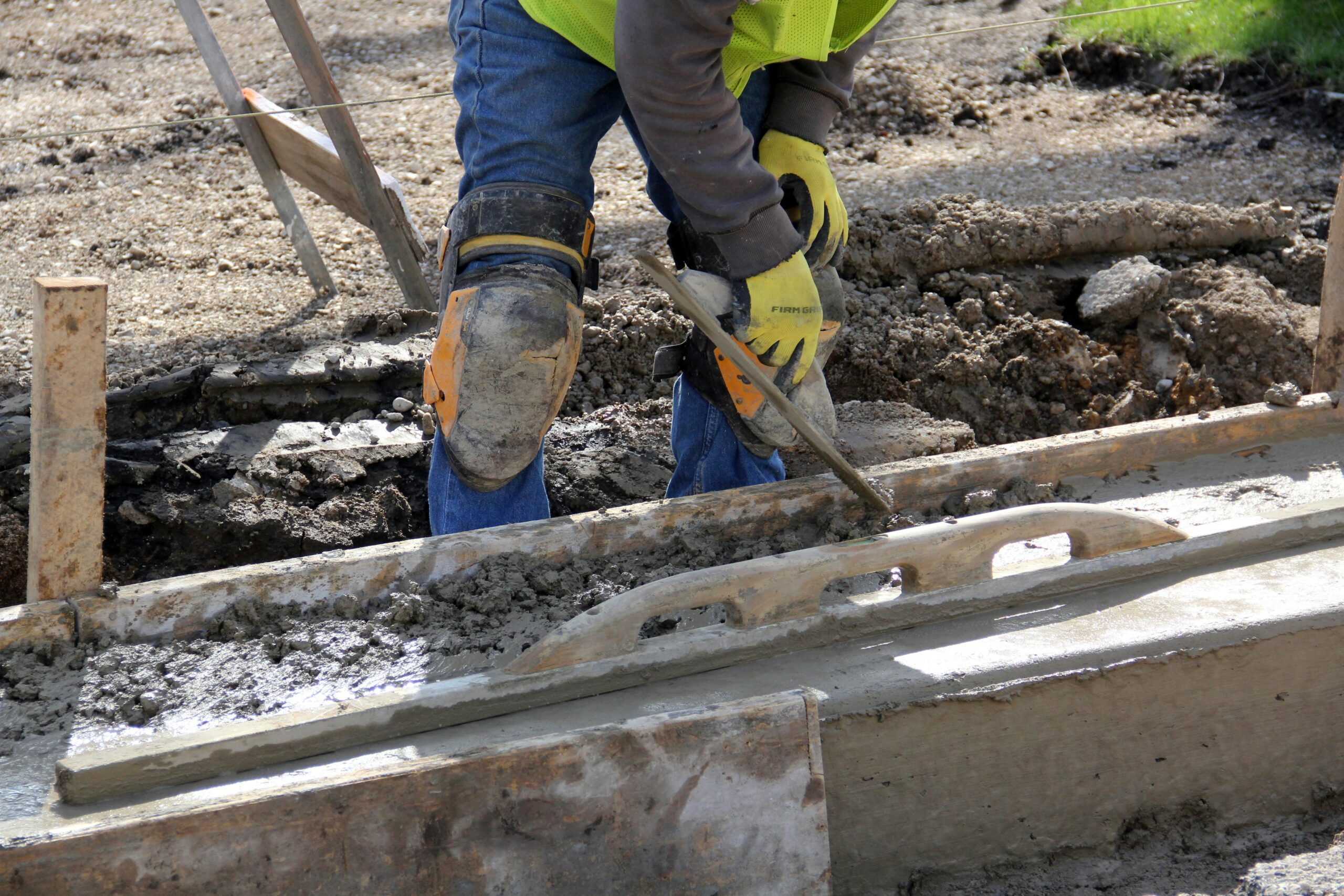
Concrete is widely used in residential construction because of its strength and durability. However, not all concrete projects perform the same way. The long-term success of a driveway, patio, sidewalk, or foundation depends on careful planning, proper preparation, and correct installation.
For homeowners considering a concrete project, understanding the process can make it easier to ask informed questions and set realistic expectations. Knowing what happens before, during, and after a pour helps ensure the finished surface performs well over time.
What Concrete Contractors Actually Do
It’s common to associate concrete work with simply pouring a slab. In reality, the process begins well before any material is delivered. Contractors assess the site, evaluate soil conditions, measure elevations, and plan the layout to ensure proper drainage and support.
After placement, the concrete must be leveled and finished correctly. Contractors may cut control joints to help manage natural expansion and contraction as the material cures. Each phase – from preparation to finishing – influences how the concrete performs in the months and years ahead.
Why Proper Site Preparation Matters
The strength of a concrete surface depends heavily on the stability of the base beneath it. If soil is uneven, loosely compacted, or prone to retaining water, problems may develop over time.
Proper site preparation typically includes grading the area, compacting the soil, and sometimes adding a gravel base to improve stability and drainage. Directing water away from the slab is also an important consideration. Thorough preparation helps reduce the likelihood of cracking, shifting, and moisture-related damage in the future.
Common Residential Concrete Projects
In residential settings, concrete is commonly used for driveways, patios, sidewalks, garage floors, and foundations. Although these surfaces may look similar, each serves a different purpose.
A driveway must support vehicle weight on a daily basis. A patio may prioritize comfort and appearance. A foundation carries the structural load of the home. Because of these differences, thickness, reinforcement, and finishing methods often vary depending on the application.
Understanding Concrete Curing and Timeline at Home
One of the most common questions homeowners have is how long concrete takes to “dry.” In reality, concrete doesn’t simply dry, it cures. Curing is the chemical process that allows concrete to gradually gain strength over time. While the surface may feel firm within a day or two, the material continues strengthening for weeks.
In most residential projects, light foot traffic is often possible within 24 to 48 hours, but vehicles typically need to stay off a new driveway for about seven days or longer, depending on conditions. Full curing can take around 28 days. Weather also plays a role, as extreme heat or cold can affect how quickly the concrete sets. Understanding this timeline helps homeowners plan realistically and avoid putting stress on a new surface too soon.
How Concrete Professionals Help Reduce Cracking and Damage
While concrete is strong, it can develop cracks if not installed and cured properly. Several techniques are used to manage natural movement and reduce stress within the slab.
Control joints are strategically placed to guide cracking along planned lines. Reinforcement such as rebar or wire mesh may be added to improve structural integrity. Weather conditions are also monitored during pouring and curing, as extreme temperatures can affect performance. Attention to these details contributes to longer-lasting results.
Choosing a Concrete Contractor
Experience and clear communication are important when selecting a contractor for a concrete project. Homeowners may find it helpful to ask about previous work, preparation methods, and timelines.
A contractor who explains the process clearly and addresses questions directly can help set realistic expectations. Because concrete surfaces are long-term investments, careful planning and attention to detail often play a significant role in how well the finished project performs over time.