
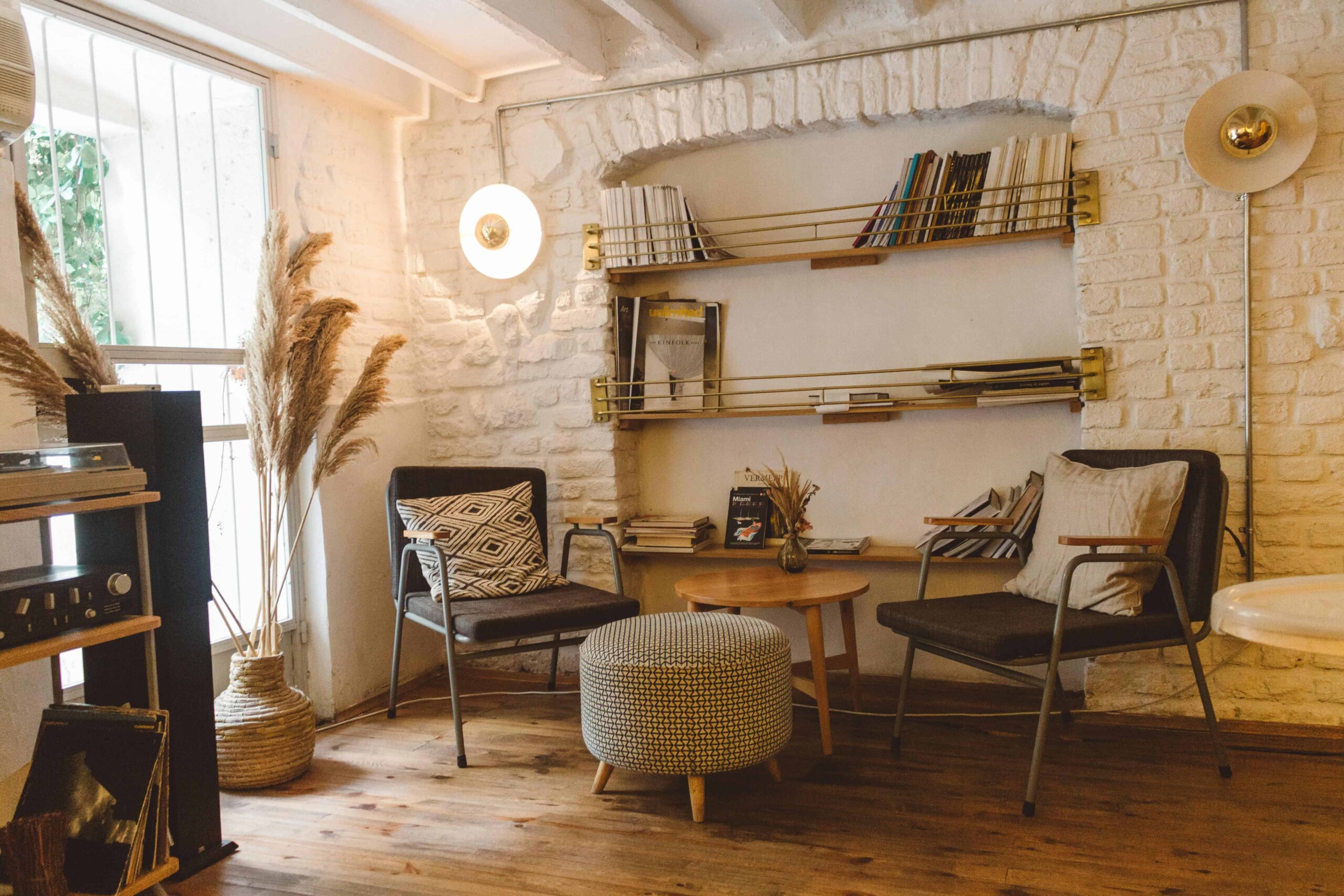
Your basement might be the most underutilized space in your home, but with proper development, it can become one of your most valuable assets. Whether you're looking to create additional living space for your growing family, add a rental suite for extra income, or simply maximize your home's potential, basement development offers incredible opportunities for both functionality and return on investment.
Why Basement Development Makes Financial Sense
Immediate Value Addition A professionally finished basement can add 15-25% to your home's value, making it one of the most cost-effective ways to increase square footage without expanding your home's footprint. Unlike additions that require new foundations and roofing, basement development works with existing space, keeping costs manageable while delivering substantial returns.
Rental Income Potential In today's housing market, legal basement suites can generate $800-1,500+ monthly rental income, depending on your location and local market conditions. This additional revenue stream can help offset mortgage payments or fund other home improvements, making basement development an investment that pays ongoing dividends.
Cost Per Square Foot Advantage Basement development typically costs 30-50% less per square foot than building additions or moving to a larger home. When you factor in the costs of selling, buying, moving, and land transfer taxes, finishing your basement becomes an even more attractive option for gaining the space you need.
Understanding Building Codes and Permits
Height Requirements Most building codes require a minimum ceiling height of 7 feet for habitable basement space, though some areas allow 6'8" in specific circumstances. Before planning your layout, measure your basement's ceiling height at multiple points, as older homes may have varying heights due to ductwork, beams, or structural elements.
Egress Window Requirements For safety and legal compliance, finished basements used as living space must have proper egress windows. These windows must be large enough for emergency exit and rescue access, typically requiring a minimum opening of 5.7 square feet with specific width and height dimensions. Planning egress windows early in your project prevents costly redesigns later.
Electrical and HVAC Considerations Basement development requires updating electrical systems to handle increased loads and ensuring adequate heating, ventilation, and air conditioning. Your electrical panel may need upgrades, and HVAC systems must be sized appropriately to maintain comfortable temperatures in below-grade space year-round.
Moisture Management: The Foundation of Success
Identifying and Addressing Water Issues Before any finishing work begins, basement moisture problems must be completely resolved. Even minor dampness can lead to mold, mildew, and material failure in finished spaces. Professional moisture assessment should include checking for foundation cracks, poor drainage, and inadequate vapor barriers.
Waterproofing Solutions Effective waterproofing might involve exterior foundation repairs, interior drainage systems, sump pump installation, or combination approaches. While waterproofing represents a significant upfront investment, it's essential for protecting your finished basement investment and ensuring long-term durability.
Vapor Barriers and Insulation Proper vapor barrier installation prevents moisture from migrating through foundation walls into finished space. Combined with appropriate insulation, these systems create a comfortable, energy-efficient environment while preventing condensation that can damage finished materials.
Layout and Design Considerations
Maximizing Natural Light Basements naturally have limited natural light, but strategic design can create bright, welcoming spaces. Larger egress windows, light wells, and strategic placement of living areas near existing windows can dramatically improve the feel of basement space. Light-colored finishes and proper artificial lighting design further enhance brightness.
Creating Functional Zones Successful basement layouts divide space into distinct functional zones while maintaining open sight lines where possible. Consider how family members will use the space and design traffic flow accordingly. Popular zones include entertainment areas, home offices, exercise spaces, and storage areas.
Ceiling Height Optimization Even with standard ceiling heights, design choices can make basement space feel more spacious. Recessed lighting instead of hanging fixtures, light paint colors, and strategic use of mirrors can create the illusion of height. Exposed ceiling designs with painted joists can also add visual interest while maximizing headroom.
Popular Basement Development Options
Family Recreation Rooms Recreation rooms remain the most popular basement development choice, providing dedicated space for entertainment, gaming, and family gatherings. These spaces can include home theaters, game areas, wet bars, and comfortable seating areas that become the heart of family life.
Legal Basement Suites Converting basements into legal rental suites requires meeting specific building code requirements for separate entrances, kitchens, bathrooms, and emergency exits. While more complex than simple finishing, legal suites offer the highest return on investment through rental income potential.
Home Offices and Study Spaces With remote work becoming increasingly common, basement home offices provide quiet, private workspace separated from main living areas. Proper insulation and soundproofing create professional environments suitable for video calls and focused work.
Multi-Purpose Flexibility Many homeowners choose flexible designs that can adapt to changing needs over time. Spaces designed with moveable partitions, versatile lighting, and neutral finishes can transition from children's play areas to teen hangouts to adult entertainment spaces as families evolve.
Working with Professional Contractors
Choosing the Right Development Partner Basement development involves complex coordination of multiple trades including framing, electrical, plumbing, HVAC, and finishing work. Experienced contractors like Mode Built understand the unique challenges of below-grade construction and can navigate permitting, code compliance, and moisture management requirements effectively.
Understanding the Development Process Professional basement development typically takes 6-12 weeks depending on project scope and complexity. The process includes design consultation, permit applications, structural assessment, moisture remediation if needed, rough-in work for utilities, insulation and drywall, flooring installation, and final finishing touches.
Quality Assurance and Warranties Reputable contractors provide comprehensive warranties on their work, typically covering both materials and workmanship for extended periods. This protection is especially important for basement development where moisture issues or structural problems could cause significant damage if not properly addressed.
Maximizing Your Investment
Energy Efficiency Considerations Well-designed basement development can actually improve your home's overall energy efficiency by properly insulating foundation walls and sealing air leaks. High-efficiency heating and cooling systems sized appropriately for increased square footage can maintain comfort while managing operating costs.
Future-Proofing Your Space Consider how your needs might change over time when planning basement development. Installing extra electrical outlets, planning for potential plumbing additions, and designing flexible layouts can accommodate future modifications without major reconstruction.
Material Selection Strategy Choose materials appropriate for below-grade environments that can withstand minor moisture fluctuations while providing durability and easy maintenance. Quality materials and professional installation protect your investment and ensure years of enjoyment from your newly developed space.
Conclusion
Basement development represents one of the smartest ways to add valuable living space to your home while working within your existing footprint. With proper planning, professional execution, and attention to moisture management and building codes, your basement can transform from unused storage into your home's most versatile and valuable space.
The key to successful basement development lies in understanding the unique requirements of below-grade construction and working with experienced professionals who can navigate the complexities while delivering results that meet your family's needs and exceed your expectations for years to come.