
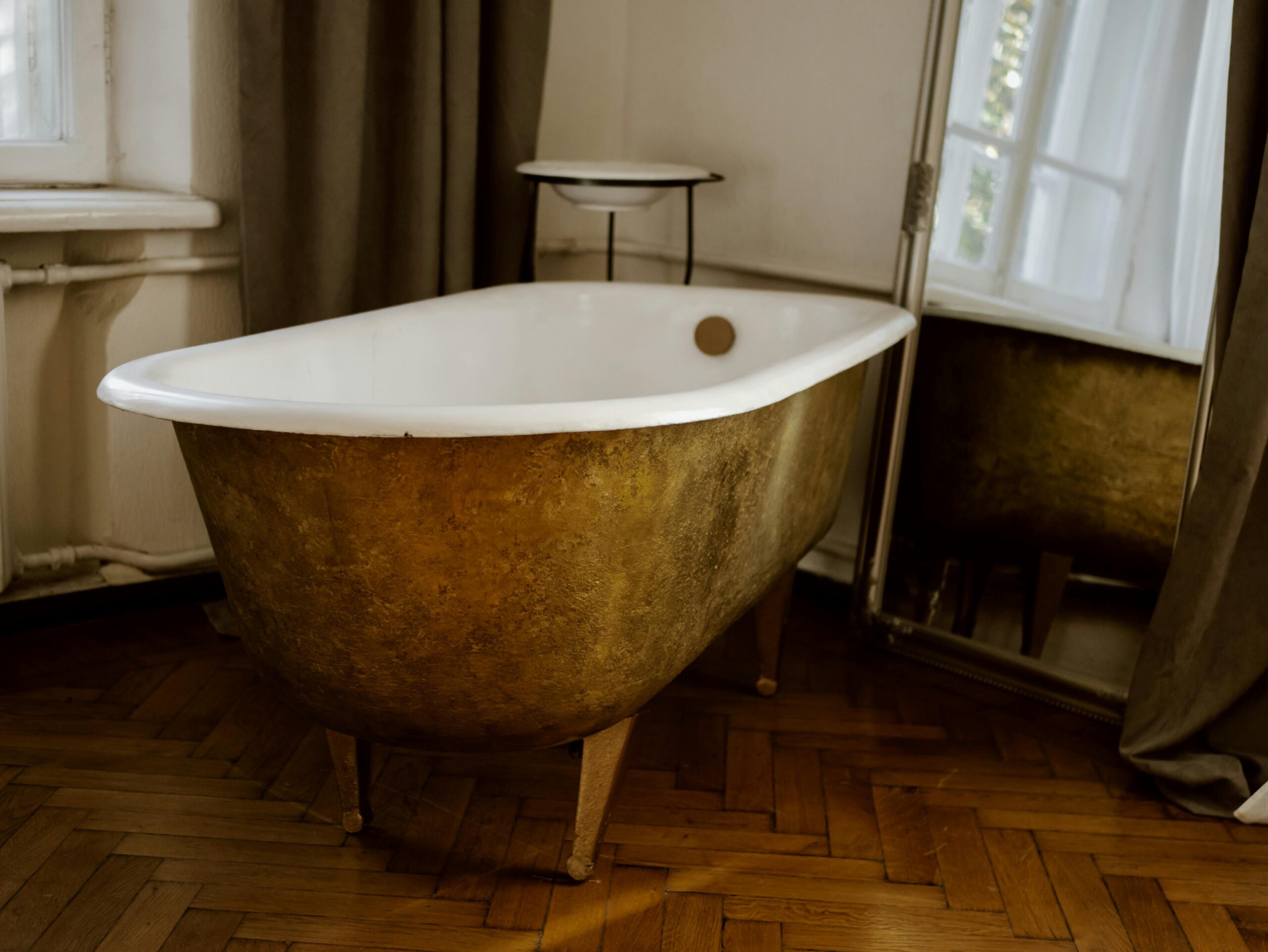
Selecting the perfect shade of wood for your bathroom floor is an exciting part of designing or renovating your space. Wood flooring brings warmth, comfort, and timeless beauty to bathrooms of all styles. However, because bathrooms have unique conditions like humidity, moisture, and fluctuating temperatures, choosing the right shade and type of wood matters just as much as choosing the right finish and installation method. Whether you are hoping to create a spa-inspired retreat or a modern minimalist space, the shade of wood you select will shape the mood of the room and influence how well the flooring complements your fixtures, lighting, and décor.
Below are some practical and aesthetic tips to help you choose the ideal shade of wood for your bathroom floor.
Consider the Amount of Natural Light
Natural light plays a significant role in how a wood shade appears. A wood floor in a sunny bathroom might look entirely different in a dimly lit space. If your bathroom has large windows or abundant daylight, you can confidently choose darker wood shades because the natural light will balance the richness of the tone and keep the room from feeling too small or enclosed. Dark walnut, espresso, and deep mahogany can create a luxurious and dramatic feel when paired with ample light.
For bathrooms with limited natural light, lighter shades like pale oak, ash, or light maple can make the room feel brighter, larger, and more inviting. These tones reflect more light, creating a soft and airy ambiance that works well in compact or enclosed spaces.
Match the Tone to Your Bathroom Style
Your overall style should influence your shade choice. For example, modern bathrooms often pair well with cooler-toned woods like grey washed oak or muted beige woods. These tones create a clean and simple finish that complements glass, stone, and brushed metal elements.
If you prefer a rustic, coastal, or farmhouse style, warm honey, caramel, or golden wood tones can enhance the feeling of natural comfort. These warmer shades bring a sense of softness to the bathroom and pair beautifully with textured tiles, woven baskets, and earth-inspired décor.
Classic or traditional bathrooms tend to look best with mid-toned woods. Shades like medium oak or cherry have a timeless appeal and work seamlessly with elegant fixtures, marble countertops, and neutral palettes.
Think About Maintenance and Visibility of Wear
Bathrooms are high-traffic areas and can be prone to small spills, splashes, and condensation. The shade of wood you choose can affect how visible dust, water spots, or wear might appear over time.
Light wood shades are excellent at disguising small scratches, dust, and daily wear. They are ideal for family bathrooms or spaces used frequently. However, water stains may appear more visible on very pale wood if left uncleaned.
Dark woods offer a sophisticated look, but they tend to show dust, footprints, and water droplets more easily. If you are drawn to dark flooring, consider a matte or low sheen finish, which can reduce the visibility of surface marks.
Mid-toned woods often represent a practical middle ground. They balance elegance with ease of maintenance and are less likely to show minor imperfections.
Coordinate With Your Existing Elements
Bathroom design involves several fixed elements, including tiles, cabinetry, countertops, and the bathtub. When choosing a wood shade, consider how the tone will interact with these features.
For example, if your bathroom has white or cream tiles, almost any wood shade can work, creating a clean and cohesive look. Deeper woods create a bold contrast while lighter woods keep the room feeling fresh.
If your bathroom has darker cabinetry or countertops, a lighter or mid toned wood flooring can prevent the room from feeling too heavy. Conversely, if the vanity is pale, introducing a darker floor can help ground the space and add visual depth.
Stay Consistent With Your Home’s Flooring Flow
If your bathroom is connected to a bedroom or hallway with wood flooring, aim to select a shade that complements or harmonizes with the surrounding areas. While the flooring does not need to match perfectly, having shades that belong to the same tonal family will create continuity throughout the home.
If you need guidance on finding the right balance, exploring high-quality collections such as wood flooring Ampthill can give you a clearer idea of available shades that work well in bathroom environments.
Test Samples in Your Bathroom
Wood shades can appear very different depending on the light, surrounding colors, and bathroom size. Always test physical samples in your bathroom before making a final decision. Place the samples near the shower, vanity, and corners of the room to see how the color changes throughout the day.
Final Thoughts
Choosing the perfect shade of wood for your bathroom floor requires balancing style, practicality, and your home’s overall aesthetic. By considering lighting, décor style, maintenance needs, and how each shade interacts with your fixtures, you can confidently choose a wood tone that enhances the beauty and comfort of your bathroom for years to come.