

There’s a quiet moment most homeowners experience at some point standing outside, staring at their house, feeling like something looks a little tired but not knowing exactly why. Maybe the siding has a faint film that only shows in certain light, or the gutters look a bit weighed down, or the corners of the exterior don’t feel as crisp as they used to. It’s rarely dramatic. Usually it’s subtle, a kind of visual heaviness that settles over a home in slow increments. That’s often when people begin looking into exterior cleaning services like Let it Flow Exterior Services, not because they’re thinking about major repairs, but because they want to understand where that tiredness is coming from.
What surprises many homeowners is how much of a home’s longevity hinges on those two overlooked elements: siding and gutters. They seem like supporting characters, practical, functional, maybe a bit unglamorous yet they have an outsize influence on how a house ages. Not in a single moment, but through years of exposure, small accumulations, repeated seasons of weather doing what weather does.
Why small exterior issues age a home faster than people expect
Walk up close to siding that hasn’t been cleaned in years and you’ll notice the small things first: a chalky residue, patches of algae, streaks of grime where rainwater runs a familiar path. None of these seem catastrophic in isolation. But together they create a kind of slow erosion. Dirt traps moisture, moisture encourages growth, growth begins to affect the integrity of paint, caulk and even the siding itself.
Gutters tell a similar story. It’s not the dramatic overflow in a storm that does most of the damage. It’s the weight of wet leaves sitting month after month, the water that can’t drain properly and instead sneaks its way beneath shingles or behind trim. Once that happens, the problem grows quietly. Many homeowners don’t even realize something is wrong until they notice staining indoors or see a patch of rot forming where it shouldn’t.
These aren’t signs of a neglected home so much as signs of how quickly the exterior reacts when routine maintenance slips out of rhythm.
Clean siding does more than improve appearance
The visual improvement after a proper siding wash is obvious: colors look brighter, lines sharper, the home suddenly feels renewed. But the real value sits underneath the aesthetic shift. Clean siding dries more quickly. It resists mold and mildew more effectively. It holds paint longer because the paint isn’t constantly fighting against trapped dirt or moisture.
There’s a reason exterior specialists often compare neglected siding to a sponge. Dirt and biological growth hold water, and water wants to find somewhere to seep. A freshly cleaned surface behaves differently. It repels instead of absorbs. It breathes instead of holding dampness. The home may not look different to someone driving by, but it feels different to the materials that make up the structure.
This is why many building experts stress the importance of periodic exterior washing, especially in regions with heavy rainfall or shifting seasons. Even homeowner-oriented research from places like This Old House emphasizes how routine cleaning prolongs the life of paint, siding and exterior finishes. Their advice isn’t dramatic, it’s practical, the kind that becomes more obvious once you see how homes age over time.
Gutters: the quiet defenders of the house
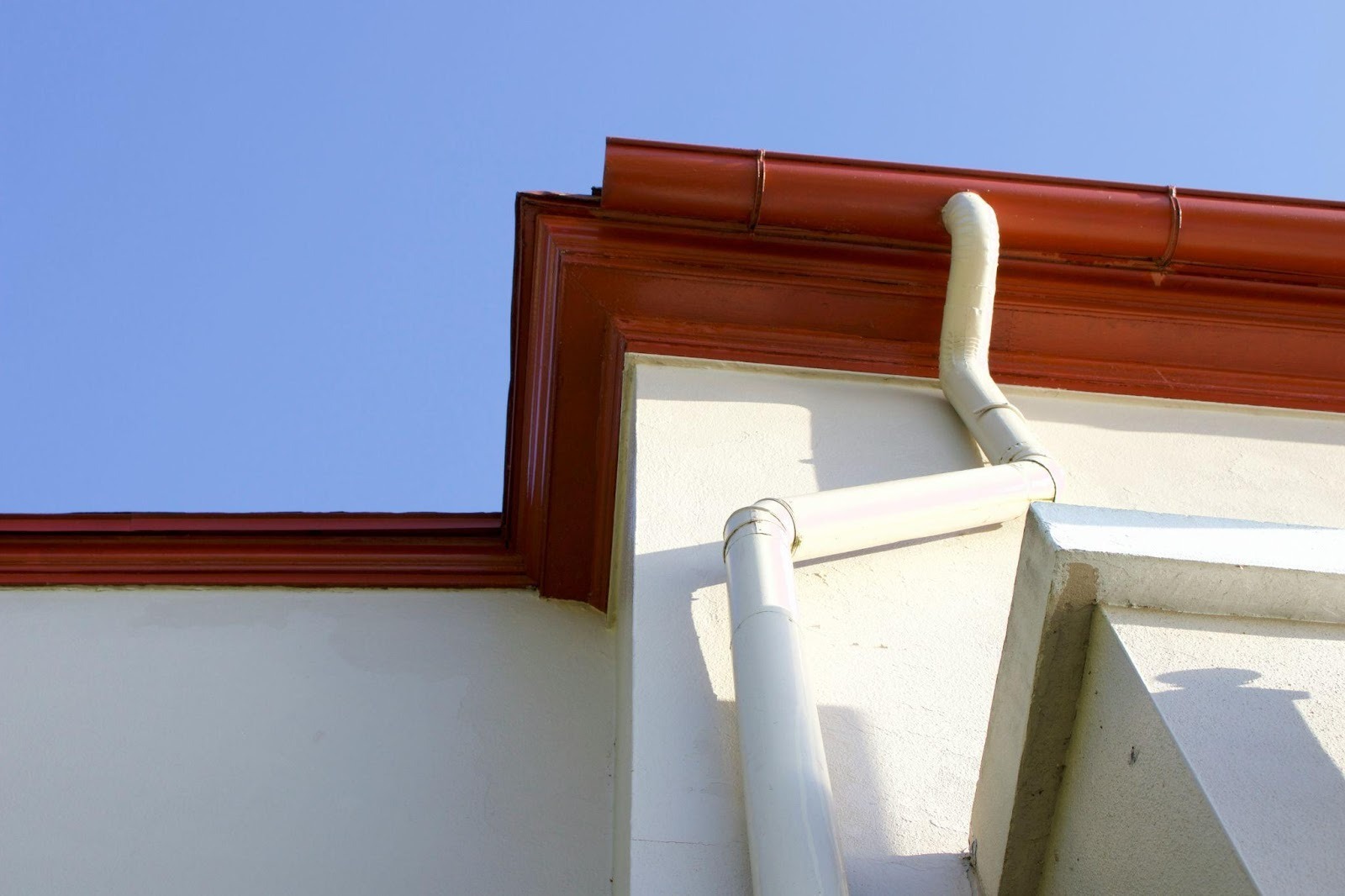
If siding is the face of the home, gutters are the lungs. They take on the one job most people don’t think about directing water away before it has a chance to settle where it shouldn’t. Everything from foundation health to roof durability ties back to whether gutters are doing that job properly.
When gutters clog, water begins improvising. It spills over in sheets and lands exactly where the home is most vulnerable. Soil erodes, moisture collects around the foundation, and wooden fascia boards start to soften. These changes are subtle, nearly invisible, but they accumulate with a kind of quiet determination. Years later, a homeowner might find themselves repairing something that technically began with a single season of blocked gutters.
There’s a logic to why companies specializing in exterior care pay so much attention to gutters. They’re small, simple pieces of the home, yet they guard against the kind of damage that can shorten a home’s lifespan dramatically if ignored.
The ripple effect of regular exterior maintenance
Keeping siding and gutters clean does something else that isn’t talked about often: it changes how homeowners engage with their property. A clean exterior makes other maintenance needs more visible. Cracks in trim stand out instead of hiding beneath grime. Paint failure becomes obvious sooner. Early issues with caulk or wood movement appear before they turn into structural problems.
The home becomes easier to read, in a way. You can walk around it and understand what it needs instead of feeling like you’re always discovering issues too late. People often say the house feels “lighter” afterward, but what they’re sensing is clarity. The home isn’t fighting layers of buildup. It’s just itself again.
How homeowners underestimate the role of weather
Weather doesn’t need to be extreme to be damaging. A series of mild winters can wear on a home just as much as one severe season. Dirt collects even in calm climates. UV exposure slowly breaks down finishes. Wind deposits debris in gutters even on days without storms.
This is why cleaning isn’t simply cosmetic. It’s a reset. It gives the exterior room to withstand whatever the weather brings next. When siding dries properly and gutters channel water without obstruction, the home’s materials can do what they were designed to do.
Some homeowners don’t realize how much longer certain components last when kept free of buildup. Paint that would normally need refreshing every five years might stretch to seven or eight. Gutters that clog annually might go multiple seasons without issue when routinely emptied and flushed. Small, recurring actions accumulate into long-term value.
Subtle improvements that influence how a home feels and functions
Clean siding reflects light differently. It makes a home look sharper, but it also makes the surrounding space feel more open. Clean gutters eliminate constant dripping in places it shouldn’t be dripping. These shifts are almost too subtle to describe unless you’ve seen them the way a house feels “settled” once moisture pathways are corrected, the way the air around the home seems clearer.
People sometimes assume longevity comes from renovating, replacing or rebuilding. Yet much of it comes from respect for the ordinary components that protect the home daily. Siding and gutters don’t announce themselves when they fail; they simply let other parts of the structure bear the cost.
And when they’re maintained, the home quietly benefits, year after year, in ways most homeowners only fully appreciate much later.