
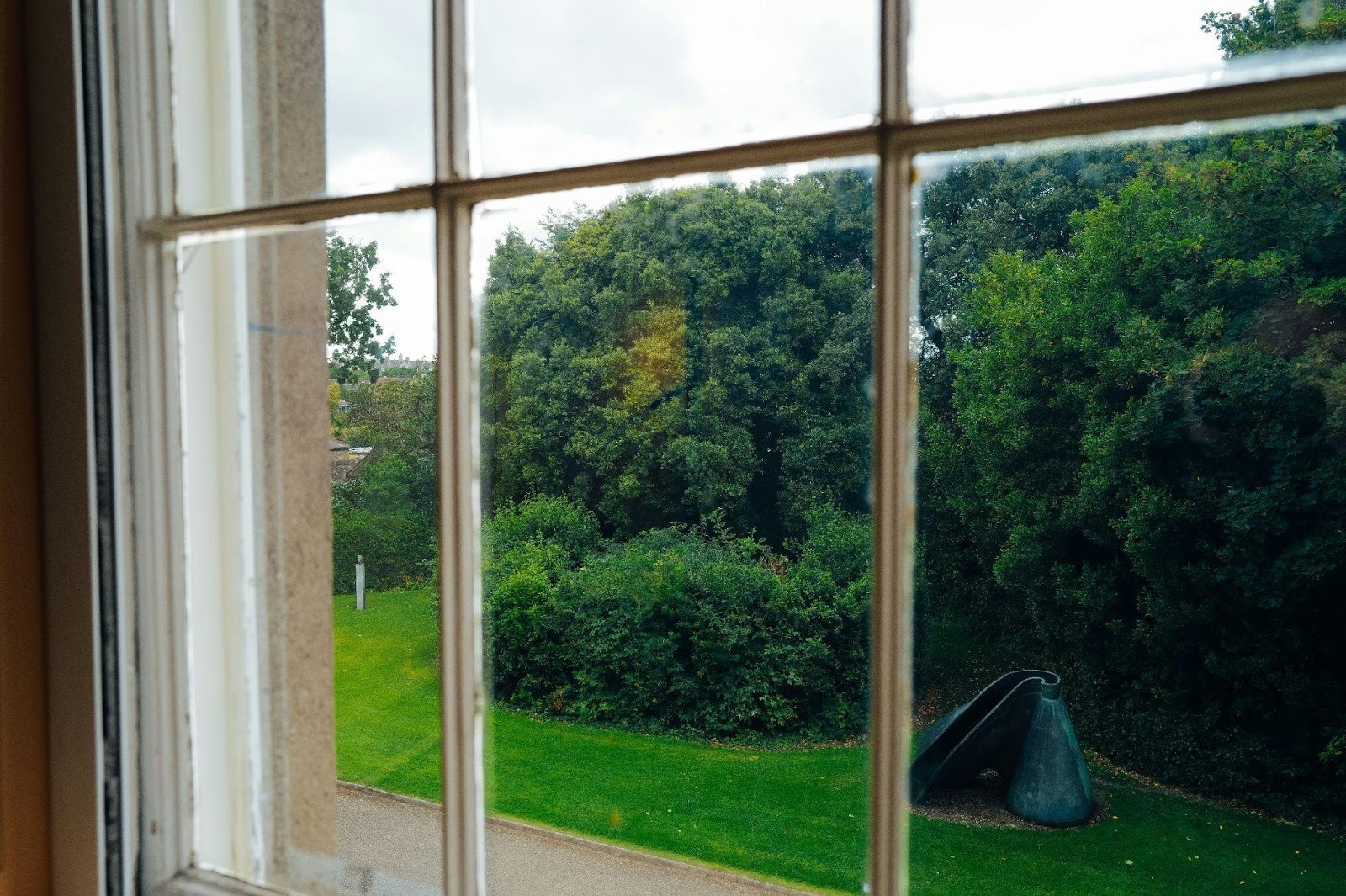
When you look at an older house the kind built before vinyl windows were common, before modern insulation really took effect what you see is character: original trim, vintage panes, a sense of history. But behind those charming exteriors often lie inefficiencies, wear and tear, life cycles that have quietly passed their prime. Upgrading the windows can feel like a major task, maybe disruptive, maybe costly. Yet for many homeowners, a well-executed window project is one of the most undervalued improvements. That’s why it’s worth examining what a company like Michigan Screen & Window brings to the table when working with older homes, not just a new window, but the restoration of comfort, performance, and preservation.
Older homes demand nuance. They carry architectural details, legacy framing, and unique dimensions. A modern window doesn’t always slide in like a perfect fit. The job is as much about integration as substitution. And when that integration is done well, the home doesn’t just look better it feels better. Not dramatically, but in the subtle shifts: less draft, quieter rooms, sharper sightlines.
Why older windows often hold back a home
Walking through an older dwelling, you’ll notice small cues: windows that rattle in the wind, drafts that whisper when a cold front arrives, the faint outline of condensation between double panes, frames that have sagged or warped. None of these are dramatic problems on their own, but cumulatively they influence how the home performs and how the occupant experiences everyday life.
One of the hidden values of quality window installation is that it addresses the root of those issues. It’s not only about replacing glass; it’s about matching size, sealing properly, accounting for the building’s movement over time.
For homeowners, that matters because buyers don’t just pay for square footage. They pay for what they perceive they don’t have to fix later. A home that resonates as “ready” will often carry more value than one that hides potential problems behind good paint.
Preservation vs replacement: a balancing act
In older homes the framing may be original wood, the trim bespoke, the aesthetic part of the value. That creates tension: do you preserve the original sash? Do you retrofit with custom wood-clad windows? Or do you accept a more affordable vinyl alternative? Each route has trade-offs.
A quality installation company will walk you through those trade-offs: durability, maintenance, insulation value (U-factor, solar heat gain), sightlines, historical appearance. For example, a low-profile sash that retains the original casing and trim will cost more but preserve character. Sometimes a restoration rather than replacement is possible glass repair, weather-sealing, sash balancing.
Choosing wisely means understanding the home’s use. If you intend to live there long-term and want authenticity, invest in the custom solution. If you’re looking to sell and speed matters, a well-fitted modern window might offer the better return.
Energy, comfort and value: the invisible thread
It’s easy to talk about aesthetics and preservation in older homes, but there’s another dimension that often gets overlooked: thermal performance and comfort. A homeowner might not notice that a window is underperforming until winter comes and heating bills rise, or summer heat creeps inside. Quality windows reduce drafts, improve seal, enable better HVAC performance.
When appraisers or savvy buyers come along, they often key in on visible maintenance and perceived future cost. Windows that look poorly fitted or show signs of wear raise the question: what’s next? On the other hand, windows that appear fresh and were installed professionally reduce those questions. Consequently, they support value not just by adding visual quality, but by diminishing risk: the risk of future repair, of buyer hesitation.
Installation matters as much as product
A common myth is that “a good window brand is enough.” But in older homes, even top-tier windows fail if installed poorly. Gaps, misalignment, inadequate flashing, incompatible materials all of those reduce performance and potentially damage structure. A firm that emphasises correct installation and has experience with old framing is key.
Michigan Screen & Window highlights their “trained and certified installers,” lifetime warranty, and free design consultation. That level of detail matters. Because when you invest in window upgrades in a heritage or older home, you’re not just dealing with the visible part; you’re dealing with how it integrates with the whole building envelope, how it performs in Michigan weather (wind, freeze-thaw, humidity) and how it will age.
Realistic decision-making: cost, timeframe and disruption
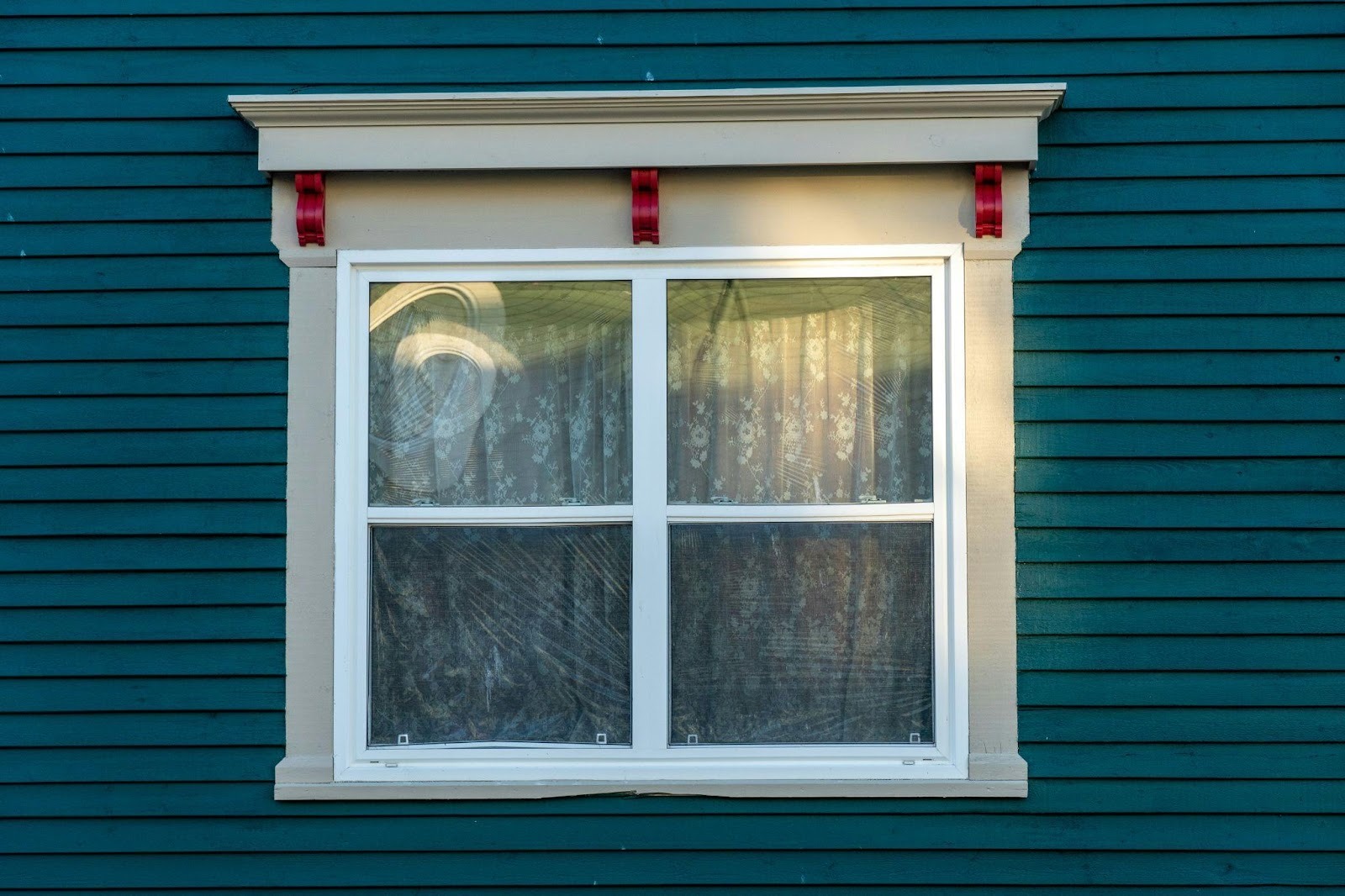
Window projects in older homes can’t always be quick and neat. There might be rot, framing decay, hidden sash issues, lead paint, custom sizing. Homeowners often underestimate the level of disruption: scaffolding, dust, removal of old units, repainting of trim. But the alternative of ignoring windows because they “still work” can cost more in comfort and value later.
A good contractor will show you what to expect, give you options (repair vs replace), explain timelines and impact. Michigan Screen & Window’s model of first assessing windows one-by-one, recommending repair for some and replacement for others, helps mitigate cost and allows phased upgrades.
From an investment perspective, think of window upgrades not just as cost but as long-term value. You might recoup 70–80% of cost when selling, or more if the windows are a standout feature. But you’ll definitely recoup comfort and quality of life today.
Choosing the right windows for style and performance
In older homes the “look” matters. You don’t want modern-looking gaping rectangles where smaller, divided-light windows once were. So part of the value is choosing windows that fit the architectural period: muntins, sash profiles, interior/exterior colour, hardware style. A quality installer will offer or source options that respect the heritage while delivering modern performance.
Beyond style, consider the specifics: double or triple glazing, low-E coatings, gas fills (argon/krypton), thermally broken frames, durable materials suited for the climate. Ask for warranty details, energy ratings, ventilation options (important in older homes with less mechanical ventilation). When the installation blends style and performance, it shows and that signals quality to both occupants and future buyers.
What to ask your installer (and your future self)
When deciding on window upgrades in an older home, it helps to have a checklist of sorts. What warranties? What are the expected lifespan and maintenance needs? Is the installer certified for custom or period windows? Will they manage lead-paint regulations if needed? What’s the impact on certification or historic designation? What’s the likely cost of disruption and finishing (trim repaint, caulking, plaster repair)?
Also ask: how will the new windows integrate with external features gutters, siding, flashing? What kind of insulation and sealing will be done around the frame? What’s the projected return in terms of comfort, energy savings and value? Getting clear answers means you’ll avoid surprises later.
When value emerges quietly
Here’s the subtle truth: the biggest value from quality window installations in older homes often comes not from the dramatic before/after photo, but from small stories still mornings with no draft, evenings free of outside noise, fewer condensation worries, comfortable rooms all year round. That comfort is what drives occupant satisfaction and when it drives satisfaction, it influences how a home is perceived and how it’s priced.
When you choose a company like Michigan Screen & Window, you’re investing in those unseen benefits: the handful of degrees difference in winter, the cleaner sightline, the long-term simplicity of maintenance. Those things may not headline your renovation budget, but in the end they often leave a lasting impression.
If you live in an older home, taking the time to evaluate your windows, consult a specialist, and plan accordingly might not feel glamorous but it might be one of the most sensible moves you make for both living well today and securing value for tomorrow.