
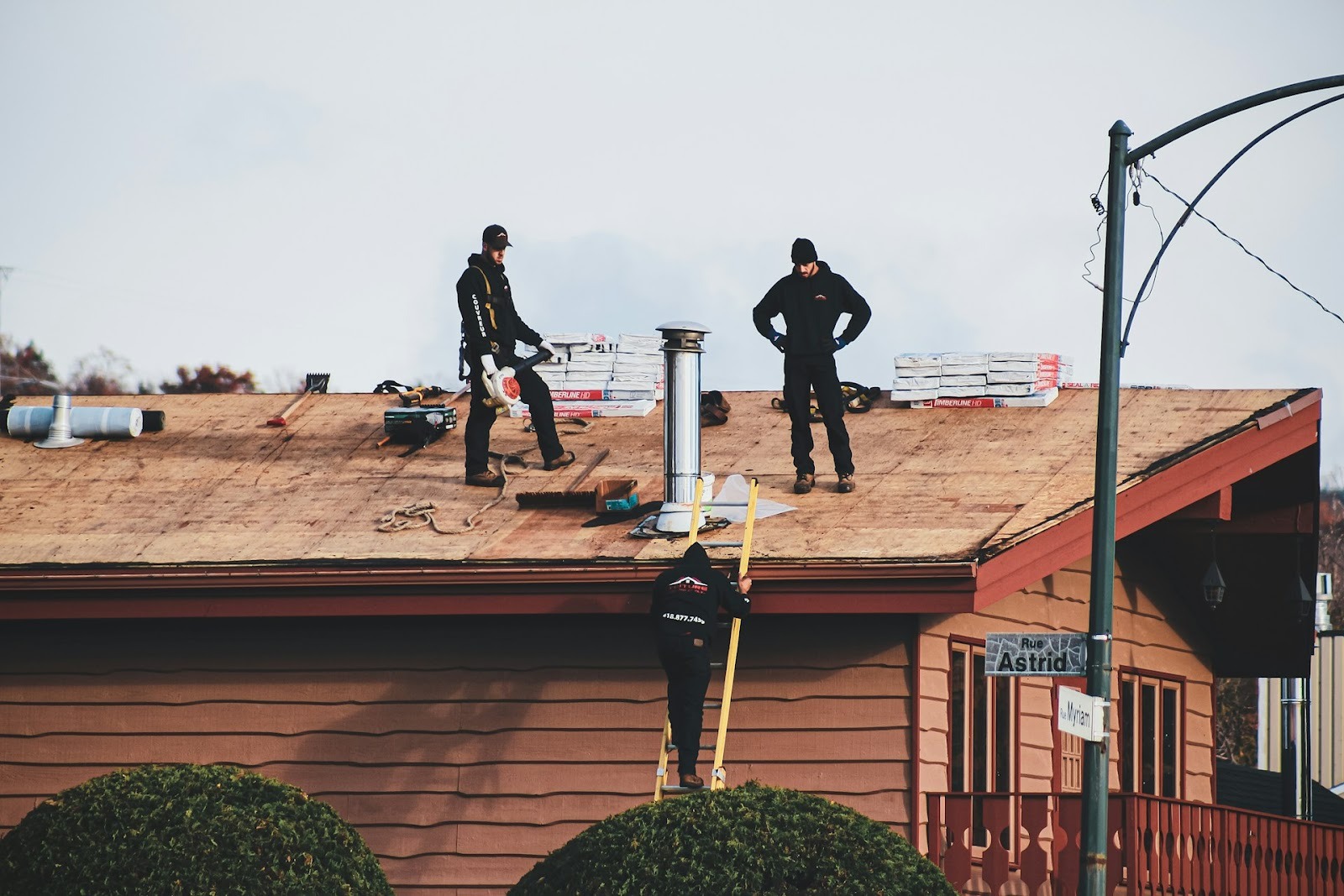
Selling a house often brings excitement and stress at the same time. One of the biggest worries homeowners face is deciding whether to repair or replace the roof before listing. While a shiny new roof can make the property look appealing, the truth is that roofing work can eat into your profit faster than you expect. The costs don’t stop with materials and labor; hidden expenses and potential delays can make the process far more expensive than most sellers plan for.
Roof Repairs Turn into Budget Drainers
What starts as a small patch job can turn into a major renovation once a contractor begins peeling back old layers. Roofers might find rotted wood, damaged insulation, or structural issues that were hidden under the shingles. Each discovery adds to your total cost, and sometimes the extra work requires special permits or additional materials.
Labor rates also vary based on roof pitch, material type, and accessibility. If your home has multiple slopes or chimneys, expect the quote to rise. It’s also common for contractors to increase prices if roofing materials are in short supply or weather delays push the project longer than expected. All these factors can make a seemingly affordable repair end up thousands of dollars over budget.
When Selling As-Is Makes Sense
In many Kansas City neighborhoods, sellers realize that fixing a roof isn’t always the smartest move. Cash buyers like Chris Buys Homes KC purchase properties in as-is condition, which means you can skip the entire repair process and move forward quickly.
Selling as-is helps homeowners avoid inspection surprises, contractor scheduling hassles, and out-of-pocket repair expenses. It’s also a realistic option if your home’s market value doesn’t justify a costly roof replacement. For instance, if your expected return after repairs is small, you might end up losing more money than you make by upgrading the roof.
Cash sales also move faster, allowing sellers to close in days rather than months. For those dealing with relocation deadlines, financial strain, or inherited homes, this route brings simplicity without the risk of draining funds on a roof you’ll never enjoy.
Common Hidden Expenses Homeowners Overlook
Many sellers focus on contractor quotes but overlook the small costs that pile up during roof repair. Dumpster rentals for debris removal, inspection fees, and temporary fixes for leaks can quietly add hundreds to your bill. If scaffolding or safety harnesses are required, that’s another unexpected charge.
Permits are another cost homeowners forget to factor in. Depending on where you live, local building authorities may require multiple inspections before and after completion. Any failed inspection can delay the project and add re-inspection fees. Even landscaping may need repair afterward if the roofing crew damages shrubs or gutters during work.
Homeowners also forget about insurance deductibles. If your policy covers part of the damage, you still pay a deductible, sometimes thousands, before coverage applies. These smaller items add up fast, turning what seemed like a straightforward repair into a financial headache. It’s similar to how plumbing leaks can start as minor drips but end up causing major water damage or mold if left unchecked. In both cases, ignoring hidden issues can lead to much bigger costs later.
When Roof Repair Adds Real Value
Not every roof project is a waste before selling. If your roof is leaking or visibly sagging, buyers may walk away immediately. A sound, clean-looking roof reassures potential buyers that the home has been well cared for. If your neighborhood has many new or renovated homes, a roof update can help your property compete.
In such cases, focus on partial repairs instead of full replacement. Replacing damaged shingles, fixing flashing, or cleaning stains might cost a fraction of a full job while still boosting curb appeal. A roofing inspection report showing no major defects can also build buyer confidence without the need for total reconstruction.
Pro Tip: If your budget is tight, consider patching visible issues and cleaning the gutters rather than replacing everything. Sometimes, small maintenance efforts can make your roof look sale-ready without the heavy expense.
Warning Signs It’s Not Worth Fixing
If your roof is older than 20 years or if replacing it would cost more than 10% of your home’s expected sale price, it’s often not worth repairing before listing. Similarly, if your area’s home prices are modest or trending downward, you’re less likely to recover the full cost through the sale.
Here are some clear warning signs that roof repairs might not make sense financially:
- The cost estimate exceeds your available budget or emergency fund.
- You plan to move within a short period and won’t benefit from the new roof.
- Comparable homes in your area are selling fast despite having older roofs.
- Your property needs other major updates that take priority, like plumbing or HVAC.
- Local buyers include many investors or cash buyers who prefer fixer-uppers.
- The roof replacement timeline would delay your listing or closing plans.
It’s also smart to consider the buyer market. Many investors and flippers actively look for homes that need work because they can repair them at wholesale costs. For them, an older roof is just another line item, not a dealbreaker. This means you could still attract offers without spending thousands upfront. Time is another deciding factor. Roof replacements can take weeks, and unexpected weather delays could stall your sale. If your priority is selling fast rather than maximizing every dollar, leaving the roof as-is may be the smarter choice.
Making a Decision That Fits Your Goals
The choice to repair or sell as-is depends on your financial situation, the local housing market, and your timeline. Before committing to repairs, get at least three detailed quotes and compare them with the estimated market value of your home after upgrades. If the math doesn’t favor repair, explore cash buyer options or price the home slightly lower to attract traditional buyers who can handle minor fixes themselves.
Always weigh stress and time alongside money. A brand-new roof might boost appeal, but it can also drain your energy when juggling contractors, inspections, and closing dates. If the ultimate goal is to move on quickly with less hassle, sometimes skipping the repair is the best financial decision.
Closing Thought
Roofs protect homes from the weather, yet they also hide some of the most unpredictable costs. Before rushing into repairs, assess your real return on investment and remember that not every fix adds value. In many Kansas City cases, selling your home as-is can save you time, money, and peace of mind. Leaving you free to focus on your next chapter rather than the shingles above your head.