
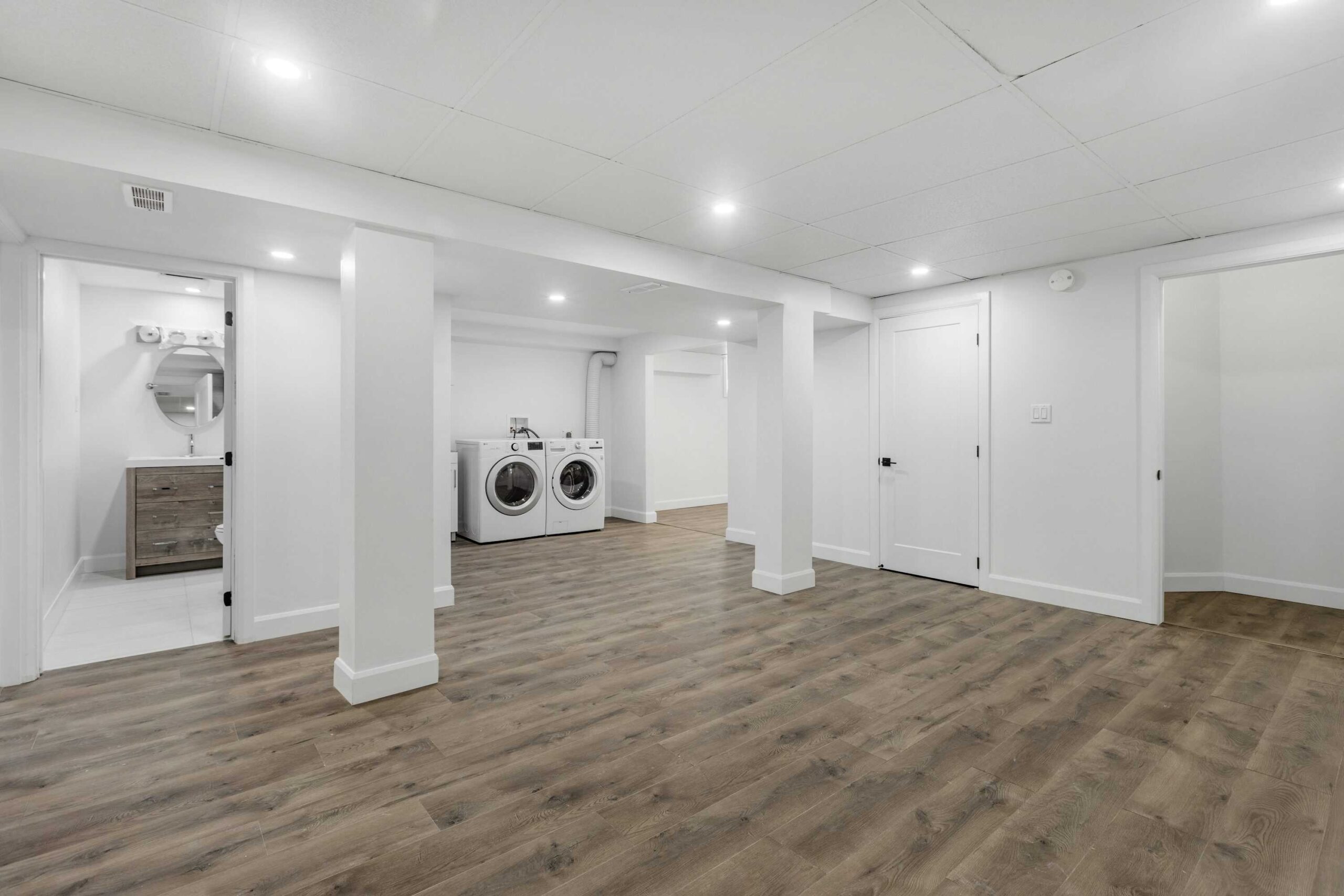
A skilled Basement Finishing Contractor can take an underutilized basement and turn it into one of the most functional, beautiful, and valuable spaces in your home. Whether your vision is a cozy entertainment hub, a home office, a guest suite, or even a fully equipped apartment, finishing your basement opens up countless possibilities for comfort, convenience, and return on investment.
This comprehensive guide will walk you through the benefits of a basement remodel, how to plan it step-by-step, inspiring design ideas, and pro tips to maximize your budget while avoiding common pitfalls.
Why Finish or Remodel a Basement?
Basements are often the largest untapped square footage in a home. Finishing them offers:
- Increased Living Space – An entirely new floor of your home for relaxing, working, or entertaining.
- Higher Property Value – Finished basements can boost resale value significantly.
- Custom Functionality – Tailor the space to your family’s lifestyle needs.
- Potential Rental Income – Convert part or all of the basement into a legal apartment or short-term rental.
Unique Challenges of Basement Remodeling
Unlike other rooms, basements come with specific design and construction hurdles that require expertise:
- Moisture & Waterproofing – Preventing leaks, mold, and dampness is critical for long-term durability.
- Lighting & Ventilation – Strategies to make the space bright, airy, and inviting.
- Ceiling Height – Working around ductwork, beams, and other structural elements.
- Code Compliance – Meeting egress window requirements for bedrooms, smoke detector placement, and electrical safety.
A contractor specializing in basements understands how to navigate these issues efficiently, ensuring your remodel is done right the first time.
Step-by-Step Basement Remodeling Process
1. Planning & Goal Setting
Identify how the space will be used — media room, guest suite, gym, office, rental unit, or a combination. This shapes the design, budget, and construction plan.
2. Hiring a Specialist
An experienced basement contractor brings design insight, problem-solving skills, and familiarity with building codes specific to below-grade spaces.
3. Professional Design Development
This includes:
- Floor plan layout
- Lighting placement for brightness and ambiance
- HVAC adjustments for climate control
- Storage optimization and traffic flow planning
- Material selection for durability and style
4. Permitting
A qualified contractor handles all permits and inspections, ensuring compliance with local regulations.
5. Construction
Typical phases:
- Framing
- Plumbing & electrical rough-ins
- Insulation & drywall
- Flooring installation
- Trim, paint, and finishes
- Average duration: 6–9 weeks for most projects.
6. Final Walkthrough & Quality Control
Every detail is inspected for workmanship, safety, and adherence to the design plan.
Finished Basement Ideas That Add Value
Homeowners are increasingly creative with how they use their basement space. Here are trending and timeless options:
1. Home Theaters
- Tiered seating for better viewing angles
- Acoustic wall treatments for sound quality
- LED ambient lighting for an immersive experience
2. Guest or In-Law Suites
- Bedroom with egress window
- Private bathroom
- Kitchenette or full kitchen
- Separate entrance for privacy
3. Entertainment & Game Rooms
- Pool table and arcade games
- Wet bar with seating
- Wall-mounted TV for sports viewing
4. Fitness Rooms & Wellness Spaces
- Rubber flooring for durability
- Mirrors for form-checking
- Dedicated zones for cardio, weights, and stretching
5. Wine Cellars & Tasting Rooms
- Climate-controlled storage for wine preservation
- Custom shelving and racks
- A tasting counter or lounge area
6. Children’s Playrooms
- Soft flooring and safe materials
- Built-in toy storage
- Chalkboard or whiteboard walls
7. Home Offices
- Soundproofing for focus
- Built-in desks and shelving
- Task lighting for productivity
Maximizing Your Basement Remodeling Budget
Basement remodels vary greatly in cost depending on size, finishes, and complexity. Here are tips to get the most value from your investment:
- Retain existing layouts where possible to minimize plumbing and HVAC relocation.
- Choose mid-range finishes that look high-end but are cost-effective.
- Plan storage and built-ins early to avoid last-minute changes.
- Use moisture-resistant flooring like luxury vinyl plank (LVP) or tile.
- Incorporate multi-purpose spaces so the room adapts as your needs change.
Avoiding Common Basement Remodeling Mistakes
- Skipping waterproofing – A beautiful finish won’t last if moisture isn’t addressed first.
- Poor lighting design – A dim basement can feel closed-in even with great décor.
- Ignoring ceiling height – Even small changes can make a big difference in comfort.
- DIY electrical or plumbing – These should always be handled by licensed professionals.
Why Hire a Specialist Instead of a General Contractor?
A Basement Remodeling Contractor focuses exclusively on these projects, offering:
- Proven timelines – Most projects completed in weeks, not months.
- Better problem-solving – Anticipating common basement-specific challenges.
- Award-winning results – Recognized by industry leaders and satisfied clients.
- Transparent communication – Daily or weekly updates keep you informed.
Final Thoughts
Finishing or remodeling your basement is one of the most rewarding home improvement projects you can undertake. With the right design, materials, and specialist team, you can transform unused square footage into a beautiful, functional, and valuable part of your home.
Whether you’re planning a cozy retreat, a multi-functional family space, or a private suite for guests or tenants, working with an experienced contractor ensures the results are exactly what you envisioned — and built to last for years.
Your dream basement starts with a conversation.