

Working in the plumbing industry across the Denver metro area for over a decade has given me a front-row seat to some incredible home transformations. I’ve seen everything from brutal January blizzards that freeze pipes solid to those surprise April snowstorms that catch everyone off guard. Through it all, I’ve noticed one thing: the homeowners with the right upgrades sleep a lot better at night.
Smart water technologies aren’t just fancy gadgets anymore. They’re becoming necessities, especially here in Colorado, where the weather can be unpredictable and water damage expensive. Today I want to share what I’ve learned about these innovations and how they’re helping Denver families protect their biggest investment.
The Real Benefits of Modern Water System Upgrades
Here’s what most people don’t realize about smart water systems: they’re not about showing off to your neighbors. They’re about creating a home that anticipates and safeguards itself. I’ve watched these technologies evolve from expensive novelties to practical investments that genuinely pay for themselves.
The numbers tell the story. Strategic water system improvements can return 80% or more of your investment when you sell. But honestly? The peace of mind is worth even more than that.
Think about it this way. Your old plumbing system just moves water around. It doesn’t know if something’s wrong until you’re already dealing with a mess. Smart systems are different. They’re like having a security guard who never sleeps, constantly monitoring everything and ready to act when something goes sideways.
Wi-Fi-Enabled Water Shutoff Valves: Your Home’s Best Friend
Picture this scenario, and trust me, I’ve seen it happen too many times. You’re up at Winter Park for the weekend, enjoying some fresh powder. Your phone buzzes with an alert: “Moisture detected in basement.” Before you can even process what’s happening, your Wi-Fi shutoff valve has already stopped the water flow.
That simple alert just saved you thousands of dollars and a week of dealing with water damage contractors.
These intelligent valves learn your family’s water habits. They know when your dishwasher typically runs, when people shower, and even when you water the garden. So when something unusual happens – like a pipe bursting while you’re away – they respond instantly.
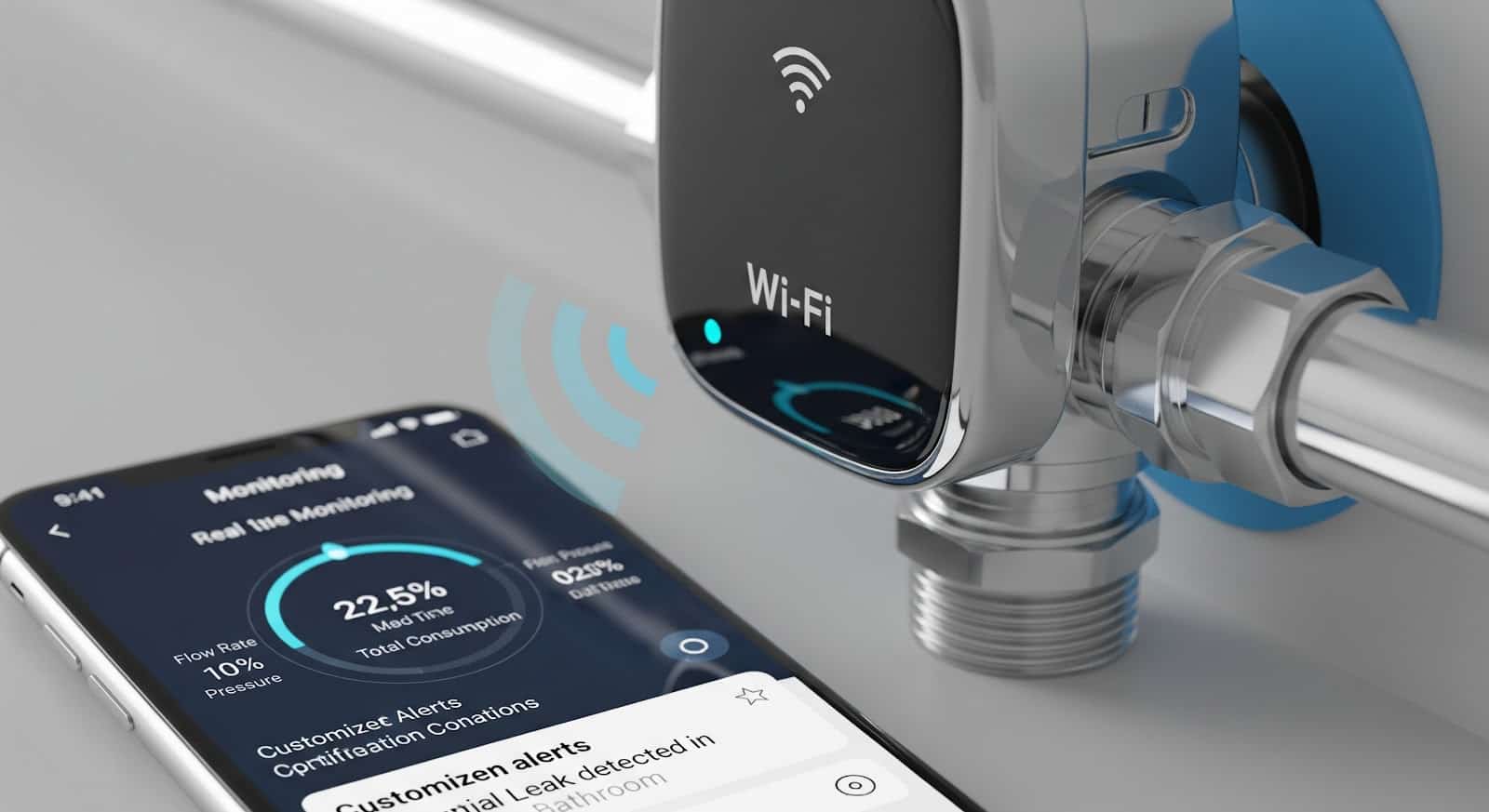
Installation usually runs $400-800, which sounds like a lot until you compare it to the average water damage claim of $10,000. I’ve had customers tell me these valves paid for themselves the first time they caught a problem.
The best models give you smartphone alerts, automatic shut-off when leaks are detected, and detailed usage tracking. Some even integrate with your home security system.
Advanced Leak Detection: Catching Problems Before They Start
Small leaks are sneaky. They hide behind walls, under floors, anywhere you can’t see them doing damage. By the time most people notice, they’re looking at major repairs.
I remember one job where a tiny leak behind a kitchen cabinet had been running for months. The homeowner had no clue until the floor started buckling. What should have been a $200 fix turned into a $5,000 renovation.
That’s why leak detection sensors are such game-changers. These little devices sit quietly in all the places water might cause trouble – under sinks, near water heaters, by washing machines, in basements. The moment they detect moisture, your phone knows about it.
For comprehensive protection, many homeowners also invest in professional sewer line inspection services, as underground sewer issues represent one of the most costly and difficult-to-detect sources of water damage. Modern camera inspection technology can identify potential problems before they become expensive emergencies.
The affordability factor surprised me when these first came out. Basic models start around $50 each. You can protect your entire house for under $300. Compare that to water damage remediation costs of $2,500 to $7,500, and it’s honestly a no-brainer.
Digital Water Heating: Finally, Smart Temperature Control
Remember the old days of adjusting water heater thermostats with a screwdriver? Yeah, those days are over. Digital water heating brings actual precision to something that used to be pure guesswork.
These units are smart enough to learn your patterns. They know you shower at 6:30 AM and run the dishwasher after dinner. So they heat water efficiently instead of just keeping a big tank hot all day long. The result? Up to 30% energy savings compared to traditional models.
The controls let you adjust everything from your phone. You can schedule heating cycles, get maintenance alerts, and even set vacation modes. For a typical Denver family, this translates to $200-400 less on utility bills every year.
What I like about these systems is how they transform water heating from something passive into an active part of your home’s energy management. They’re not just sitting there burning gas or electricity – they’re thinking about when and how much to heat.
Energy-Efficient Faucets: Where Function Meets Conservation
Smart faucets have come a long way from those early models that never worked quite right. Today’s versions are genuinely useful, not just impressive-looking.
Touchless operation eliminates germy handles – something we all appreciate more these days. Preset temperature controls prevent accidental scalding and reduce water waste by eliminating the need to wait for the right temperature.
The EPA’s WaterSense program certifies fixtures that use at least 20% less water while maintaining solid performance. Many models now track usage, helping you understand exactly where your water goes.
Voice control integration is becoming standard, which is incredibly handy when your hands are full of raw chicken or covered in garden soil. Installation varies by model, but most homeowners see their water usage drop by 15-20% after upgrading.
Tankless Water Heating: Endless Hot Water, Serious Efficiency
This is where I get genuinely excited about the technology. Tankless water heating systems are perfect for Colorado living. They provide unlimited hot water without eating up valuable space, and they’re remarkably efficient.
According to Energy Star certification standards, these units only fire up when hot water flows, saving 24-34% on energy for households using 41 gallons or less daily. Even homes with higher usage benefit from 8-14% improved efficiency.
Here’s something interesting: recent market research shows homes with tankless systems sold for 4% above expected value. That’s real money we’re talking about.
For Denver properties specifically, tankless systems offer particular advantages. They don’t lose heat during standby periods throughout our long, cold seasons. Plus, they last 20+ years compared to 8-12 years for traditional tanks. Understanding comprehensive water heater installation requirements ensures optimal performance and warranty protection.
The space savings alone can be worth the upgrade. I’ve helped families reclaim entire closets by switching to wall-mounted tankless units.
Eco-Friendly Shower Fixtures: Better Performance, Less Water
Low-flow shower fixtures used to be synonymous with disappointing water pressure. Not anymore. Modern eco-friendly models deliver excellent pressure while using 30-50% less water than standard fixtures.
The technology has evolved. Advanced features include temperature memory (so you don’t have to readjust every time), multiple spray patterns, and flow control settings that let you customize based on personal preference.
A family of four can save over 2,700 gallons annually with efficient shower fixtures. That translates to $35-60 yearly in reduced utility costs, which, although not huge, adds up over the 15+ year lifespan of quality fixtures.
When planning bathroom renovations, these efficient fixtures work beautifully with modern walk-in shower designs for small bathrooms, maximizing both space utilization and water efficiency. The combination creates bathrooms that feel both luxurious and environmentally responsible.
Smart Toilet Technology: More Than Just Bells and Whistles
When smart toilets first showed up, I thought they were mostly gimmicks for people with too much money. But I’ve changed my mind after seeing how much families use and appreciate the features.
Automatic flushing means no more battles about putting the seat down. Heated seats are genuinely appreciated during Colorado winters. Built-in bidets improve hygiene and can reduce toilet paper usage significantly.
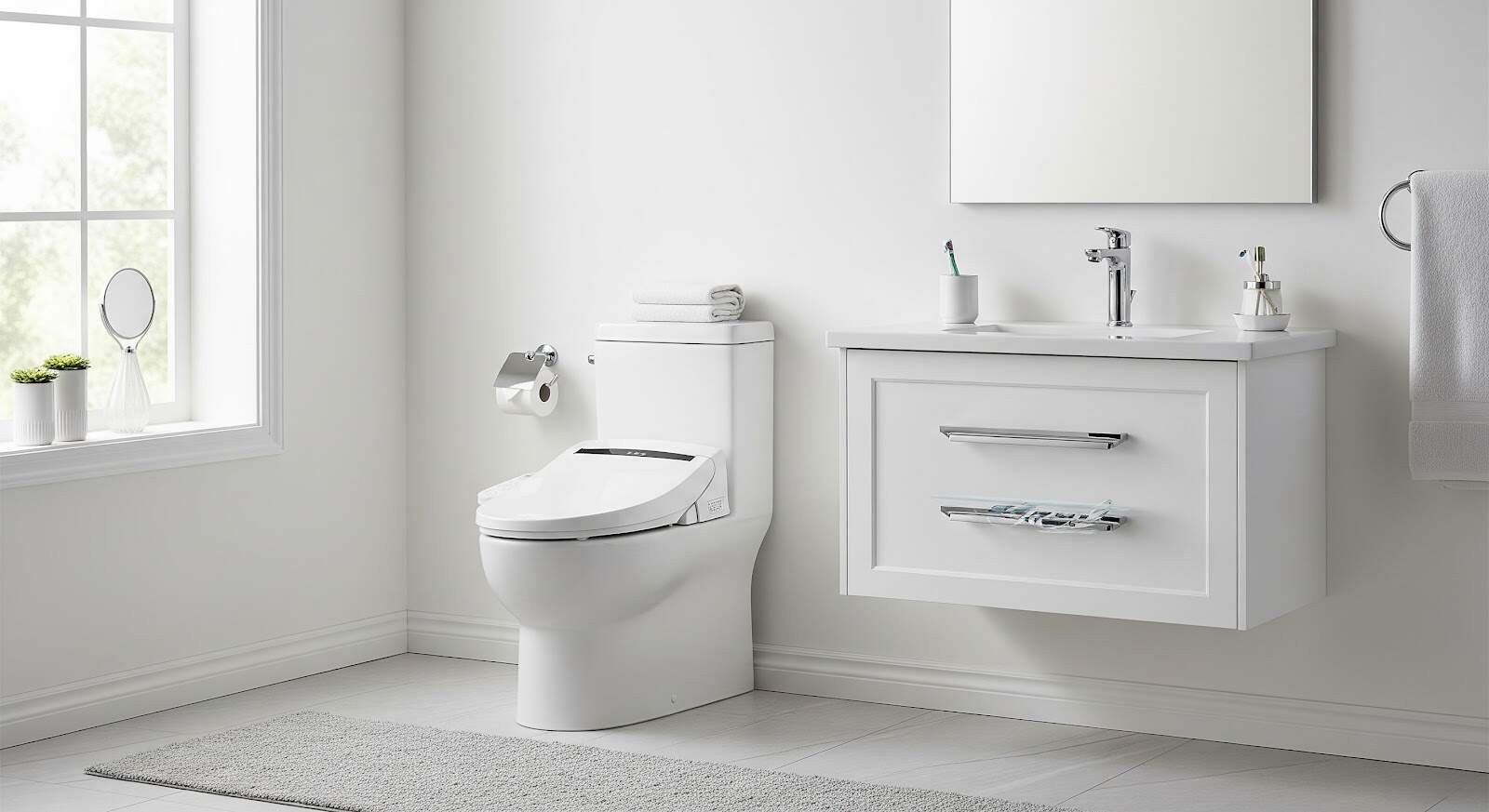
Dual-flush technology alone can reduce water consumption by 20-30% compared to older toilets. For homes with multiple bathrooms, these savings become substantial over time. Additional features like self-cleaning capabilities and deodorization systems represent practical benefits rather than just luxury additions.
Comprehensive Water Management: The Complete Picture
Whole-home water management represents the cutting edge of residential water technology. These systems monitor every drop entering your home, tracking usage by fixture and identifying inefficiencies you’d never notice otherwise.
Advanced systems can detect leaks as small as a dripping faucet, monitor water quality parameters, and integrate with irrigation systems for complete water oversight. The initial investment ranges from $1,000-$3,000, but the long-term benefits include reduced insurance claims, lower utility bills, and substantial home value improvement.
Features like real-time usage monitoring, automatic leak detection, water quality alerts, and integration with home automation systems make these platforms incredibly powerful tools for modern homeowners.
I’ve had customers discover they were losing hundreds of gallons monthly to leaks they never knew existed. The systems paid for themselves just in water savings.
Smart Filtration: Pure Water Made Simple
Smart water filtration provides real-time quality monitoring and automatic filter replacement notifications. These systems detect contaminants and adjust filtration automatically, adapting to changing water conditions without any input from you.
Denver’s water quality can fluctuate based on source and seasonal factors, making advanced filtration particularly valuable. Smart systems provide consistent results regardless of municipal variations, plus they give you peace of mind about what your family’s drinking.
Smartphone apps display water quality metrics and remaining filter life, making maintenance completely effortless. Multi-stage filtration, UV sterilization options, and intelligent monitoring ensure optimal water quality while minimizing maintenance requirements.
Professional Installation: Getting It Right the First Time
Here’s something I always stress with customers: smart water systems require proper installation and integration to function optimally. These technologies involve complex interactions between mechanical, electrical, and network components that demand professional expertise. Qualified installation ensures systems work together seamlessly while maintaining warranty coverage.
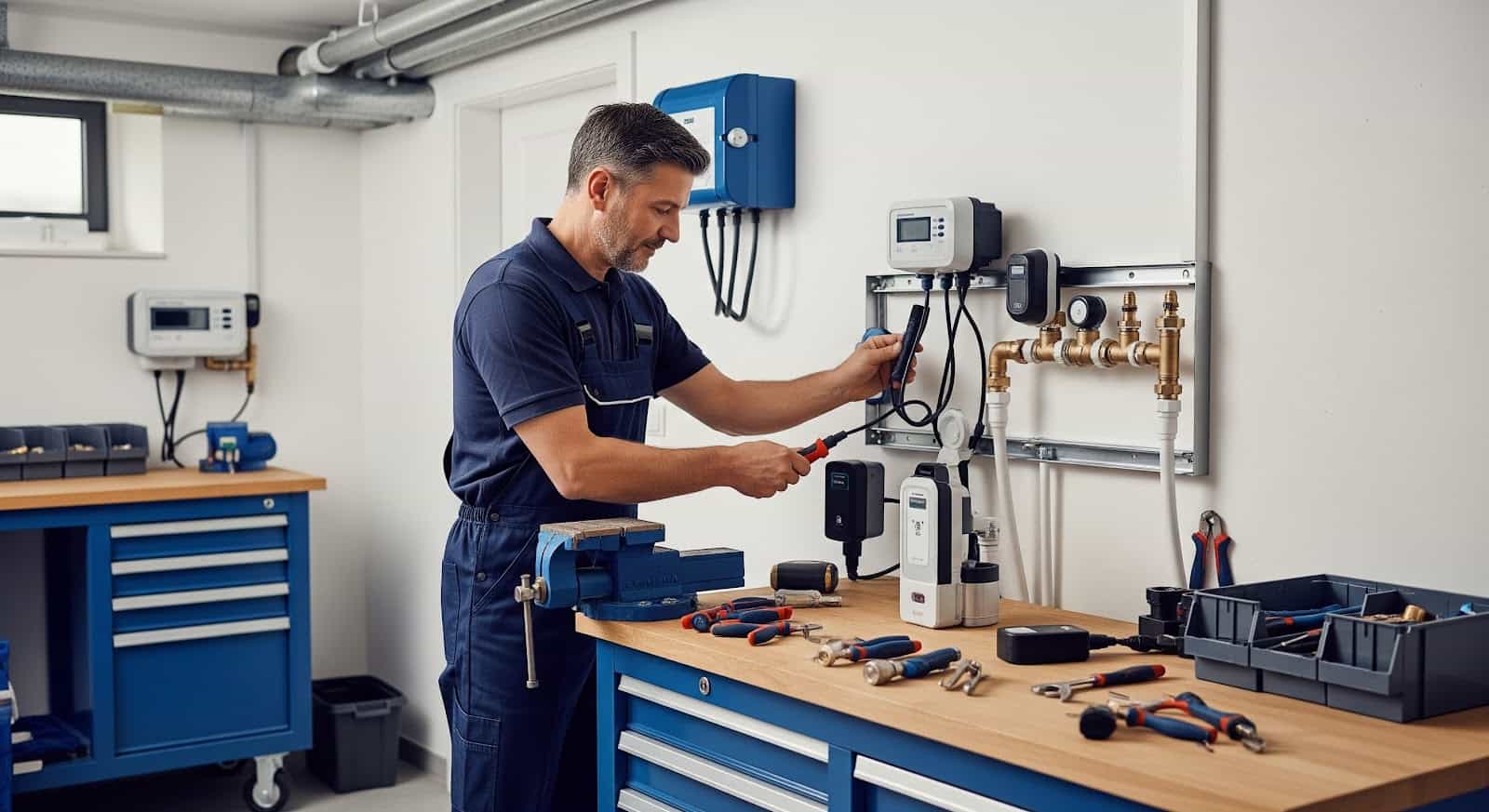
Successful integration involves understanding existing home infrastructure, proper device configuration, and network security considerations. Professional installation also includes comprehensive training on system operation, troubleshooting, and maintenance requirements.
The investment in professional installation pays dividends through optimal performance, extended equipment life, and avoided warranty issues that can result from improper installation. I’ve seen too many DIY attempts that ended up costing more than hiring a pro from the start.
Making Smart Investments in Your Home’s Future
Strategic planning ensures maximum benefit from water system upgrades. Start with technologies that provide immediate protection and measurable returns. Wi-Fi shutoff valves and leak detection systems offer the highest return through damage prevention, while water heating and fixture upgrades provide ongoing savings that compound annually.
Consider your household’s specific requirements when prioritizing upgrades. Large families benefit most from tankless water heating and comprehensive usage monitoring. Vacation homeowners should prioritize remote monitoring and automatic shutoff capabilities. Older homes may need infrastructure updates before advanced features can be fully utilized.
The key lies in understanding both the immediate benefits and the long-term value proposition of each upgrade. Water-efficient technologies represent the future of responsible homeownership, combining environmental stewardship with practical financial benefits.
These innovations transform homes into intelligent, efficient, and protected environments that adapt to changing needs while minimizing resource consumption. Whether you’re preventing costly water damage, reducing utility expenses, or increasing property value, smart water technologies offer compelling benefits that justify their investment.
Remember that every upgrade should align with your family’s lifestyle, your home’s characteristics, and your long-term goals. The combination of immediate comfort improvements and sustained financial benefits makes these technologies among the most practical enhancements any homeowner can implement.
Smart water systems aren’t just about keeping up with the latest trends. They’re about creating homes that work harder for their families while using resources more efficiently. In a place like Denver, where weather can be unpredictable and water precious, that’s not just smart – it’s essential.
This article provides educational information about modern water technologies for homeowners considering system upgrades. Always consult with qualified professionals when planning significant home improvements to ensure optimal results and code compliance.