
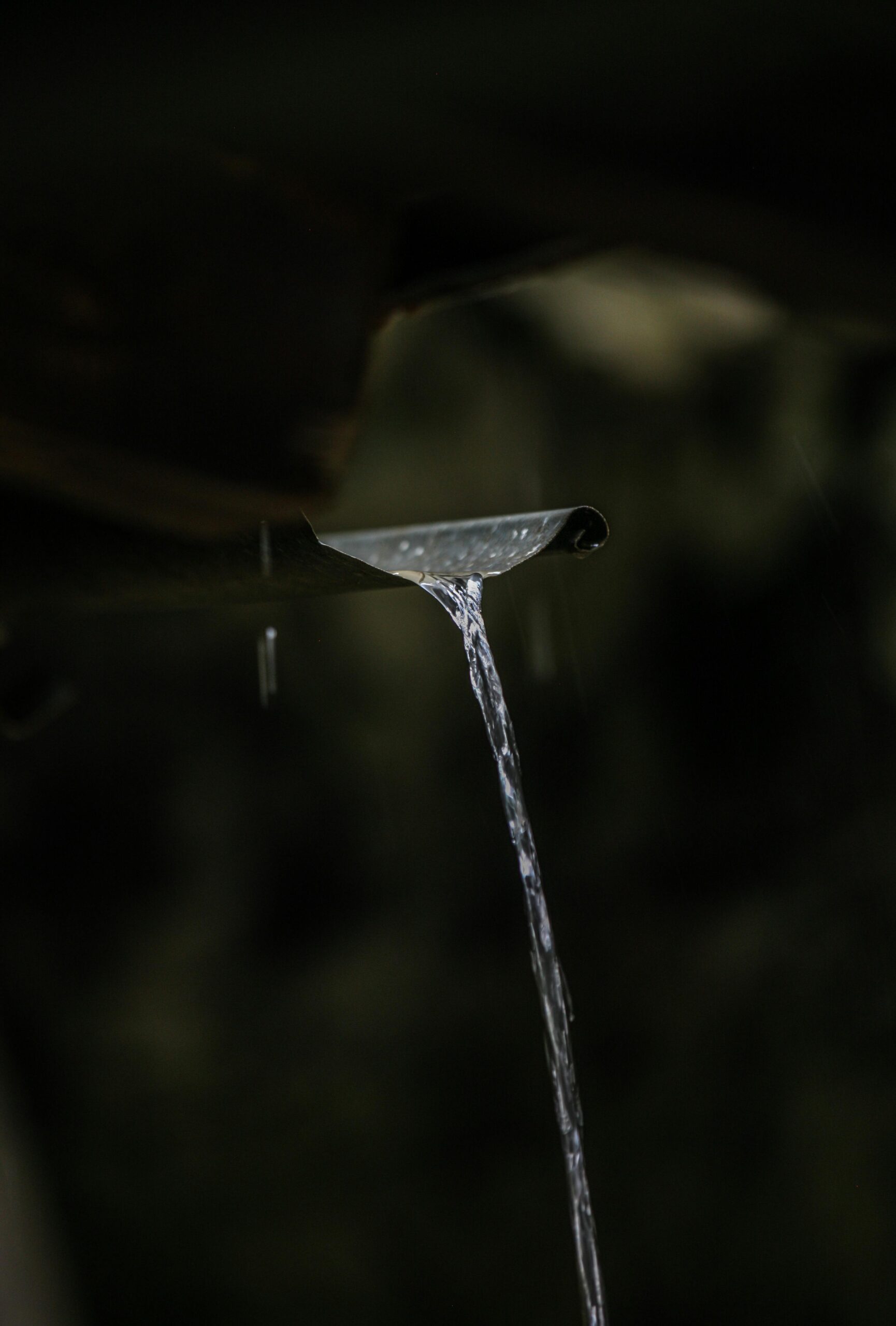
Gutters play a critical role in maintaining your home’s integrity by directing rainwater and melted snow away from your roof, siding, and foundation. While often overlooked, gutters are essential for preventing water damage, preserving your home’s structure, and maintaining a safe, dry environment. Whether you’re installing new gutters or maintaining existing ones, understanding their importance is key to keeping your home in excellent condition.
This article explores how gutters protect your roof, types of gutter systems available, and tips for installation and maintenance to maximize their effectiveness.
How Gutters Protect Your Roof and Home
Gutters serve as a defense against water-related issues that can compromise your property’s structure.
1. Preventing Water Damage
By channeling water away from your roof and walls, gutters help prevent leaks, rot, and mold growth. Proper drainage protects your home from long-term structural damage caused by moisture penetration.
2. Safeguarding the Foundation
Without gutters, water can pool around your home’s foundation, eroding soil and causing cracks that compromise stability. Gutters ensure water is diverted safely away, preserving your home’s foundation.
3. Reducing Roof Strain
Clogged or damaged gutters can cause water to pool on your roof, leading to sagging and potential structural issues. Well-functioning gutters alleviate this strain and extend your roof’s lifespan.
Types of Gutters for Different Needs
Selecting the right gutter system ensures effective water management tailored to your home’s design and climate.
1. K-Style Gutters
- Design: Flat bottoms with decorative fronts resembling crown molding.
- Advantages: High water capacity and compatibility with most home styles.
2. Half-Round Gutters
- Design: U-shaped, often used in traditional or historic homes.
- Advantages: Easy to clean and visually appealing for classic designs.
3. Seamless Gutters
- Design: Custom-cut to your home’s dimensions with fewer joints.
- Advantages: Minimal leaks and a sleek appearance.
4. Box Gutters
- Design: Concealed within the roof structure for a clean, modern aesthetic.
- Advantages: Ideal for contemporary homes or large-scale buildings.
Each type offers unique benefits, so choose one that matches your home’s style, location, and maintenance preferences.
Enhancing Gutter Performance with Accessories
Gutter accessories can optimize functionality and reduce maintenance efforts.
- Gutter Guards: Prevent debris buildup and ensure consistent water flow.
- Downspout Extensions: Direct water further away from the foundation to prevent erosion and basement flooding.
- Splash Blocks: Protect landscaping by dispersing water at the downspout’s end.
- Heating Cables: Prevent ice dams in colder climates by melting snow and ice.
These enhancements improve gutter efficiency and protect your home during extreme weather.
Best Practices for Gutter Installation
Proper installation is crucial to gutter performance.
1. Ensure Correct Slope
Gutters should have a slight incline, approximately 1/4 inch per 10 feet, to allow water to flow efficiently toward downspouts.
2. Choose Durable Materials
- Aluminum: Lightweight, rust-resistant, and cost-effective.
- Vinyl: Affordable and easy to install but less durable in extreme temperatures.
- Steel: Strong and long-lasting, though prone to rust without regular maintenance.
3. Seamless Installation
Seamless gutters reduce the risk of leaks and ensure a custom fit for your home.
Professional gutter installation ensures that gutters are properly aligned and securely attached, optimizing their performance.
Maintenance Tips for Longevity
Even the best gutter systems require regular upkeep to remain effective.
1. Regular Cleaning
- Remove leaves, twigs, and debris at least twice a year (spring and fall).
- Use a hose to flush out clogs and check for proper water flow.
2. Inspect for Damage
- Look for sagging sections, cracks, or rust spots that require repair.
- Ensure downspouts are securely attached and directing water away from the foundation.
3. Address Clogs Promptly
- Clear blockages to prevent water overflow that can damage the roof and exterior walls.
- Consider installing gutter guards to reduce debris buildup.
Routine maintenance protects your home and reduces long-term repair costs.
Seasonal Challenges for Gutters
Each season presents unique challenges for gutter systems.
- Spring and Summer: Clear gutters after storms to handle increased rainfall.
- Fall: Remove fallen leaves and prepare for heavier debris accumulation.
- Winter: Prevent ice dams by ensuring proper attic insulation and ventilation.
Adapting your maintenance schedule to the seasons ensures your gutters function effectively year-round.
Integrating Gutters with Roof Maintenance
Your roof and gutters work together to protect your home. Neglecting one can compromise the other.
How They Work Together
- Gutters prevent water from pooling on the roof, reducing the risk of leaks and rot.
- Maintaining both systems extends their lifespan and preserves your home’s structural integrity.
Scheduling joint inspections for your roof and gutters ensures that both remain in excellent condition.
Conclusion
Gutters are an integral part of your home’s roofing system, safeguarding against water damage and preserving structural integrity. With the right installation, maintenance, and upgrades, gutters can protect your home for years to come.
Whether you’re addressing seasonal challenges or considering a new installation, taking a proactive approach to gutter care ensures your home stays safe, dry, and secure in all weather conditions.