
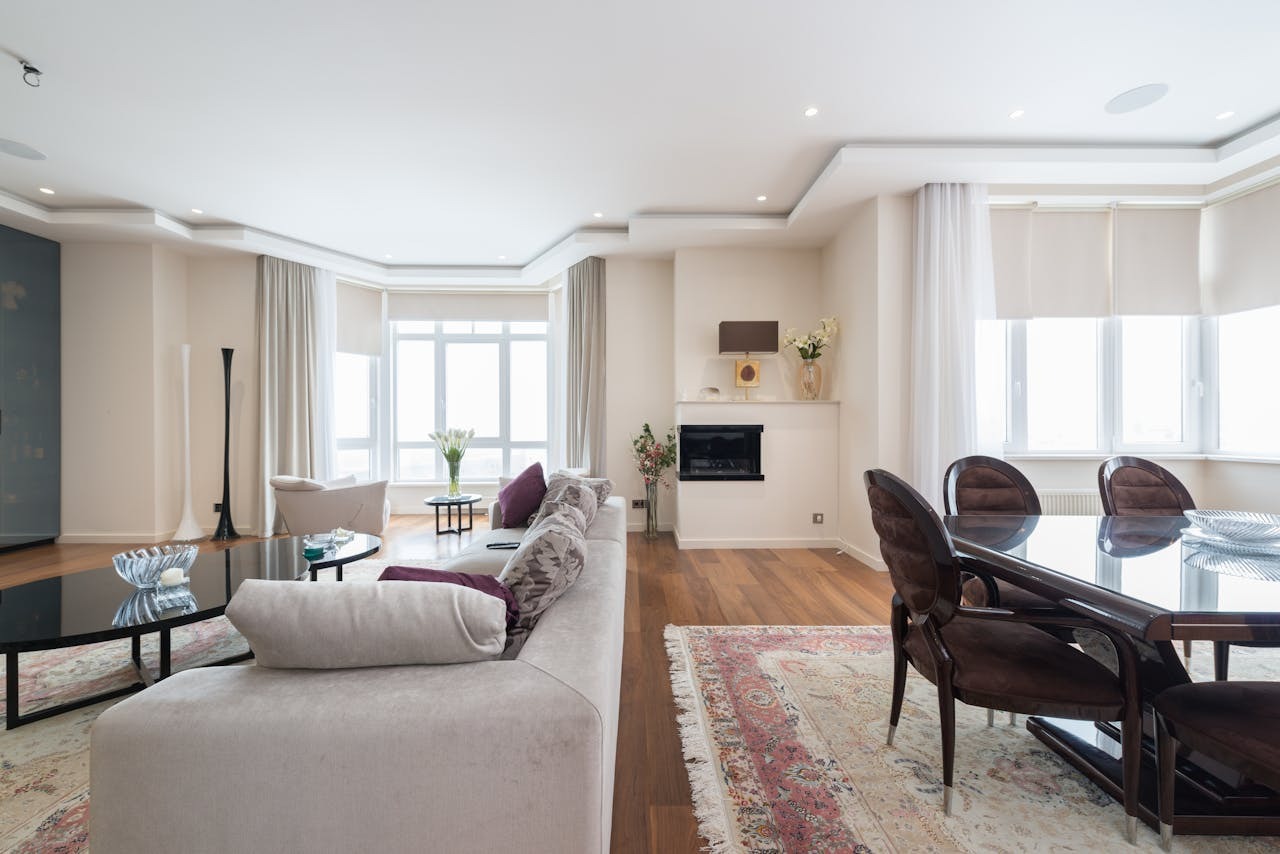
Image Alt Text: Spacious living room with cozy sofa and wooden dining table
For tenants, a furnished apartment is a convenient option because it allows them to avoid the high initial expense of purchasing furniture. However, for landlords and property managers, choosing a furnished apartment means more responsibilities and the need for clearly defined agreements.
This article will include a comprehensive list of the advantages and disadvantages, as well as the associated costs of renting a furnished apartment. The goal is to assist you in making the most financially responsible and practically beneficial choice possible for your specific situation.
Pros of Renting a Furnished Apartment
Without further ado, here are the main benefits of renting a furnished apartment for both tenants and property owners:
Major Financial and Logistical Savings for Tenants
Renting a furnished apartment allows tenants to save upfront costs of buying furniture. They also do not have to pay the full price a typical tenant would when purchasing necessary appliances. Students, those working on temporary assignments, and people who are relocating long distances benefit greatly from this type of rental.
In addition to saving you money by eliminating the need to hire someone to help you move heavy furniture, it will also save you time by being able to complete your relocation at a much faster pace than if you were moving all of your furniture.
Immediate Convenience and Flexibility
When you rent a fully-furnished unit, it’s ready to go on your first day of moving. You don’t need to live in a vacant unit or get all the necessary appliances for a modern, functional kitchen.
For those who require immediate housing or for people who prefer an uncomplicated, mobile way of living, this convenience will be ideal.
A furnished unit is suitable for many types of renters, such as digital nomads, transitional renters (in between life stages), or renters who would rather not worry about purchasing and maintaining furniture, enabling them to easily transition into a new environment.
Advantages for Landlords and the Rental Market
A furnished rental unit will typically command a higher rental price than an unfurnished rental unit. This means an increased income, improved potential to create positive cash flow, and/or higher returns on investment.
A specific, often highly desirable target audience for a furnished rental unit is corporate relocation professionals, traveling business professionals, interns, and visiting academics. Working with a property manager in Baltimore can ensure that lease agreements clearly outline responsibilities for furnishings, damages, and deposits.
Cons of Renting a Furnished Apartment
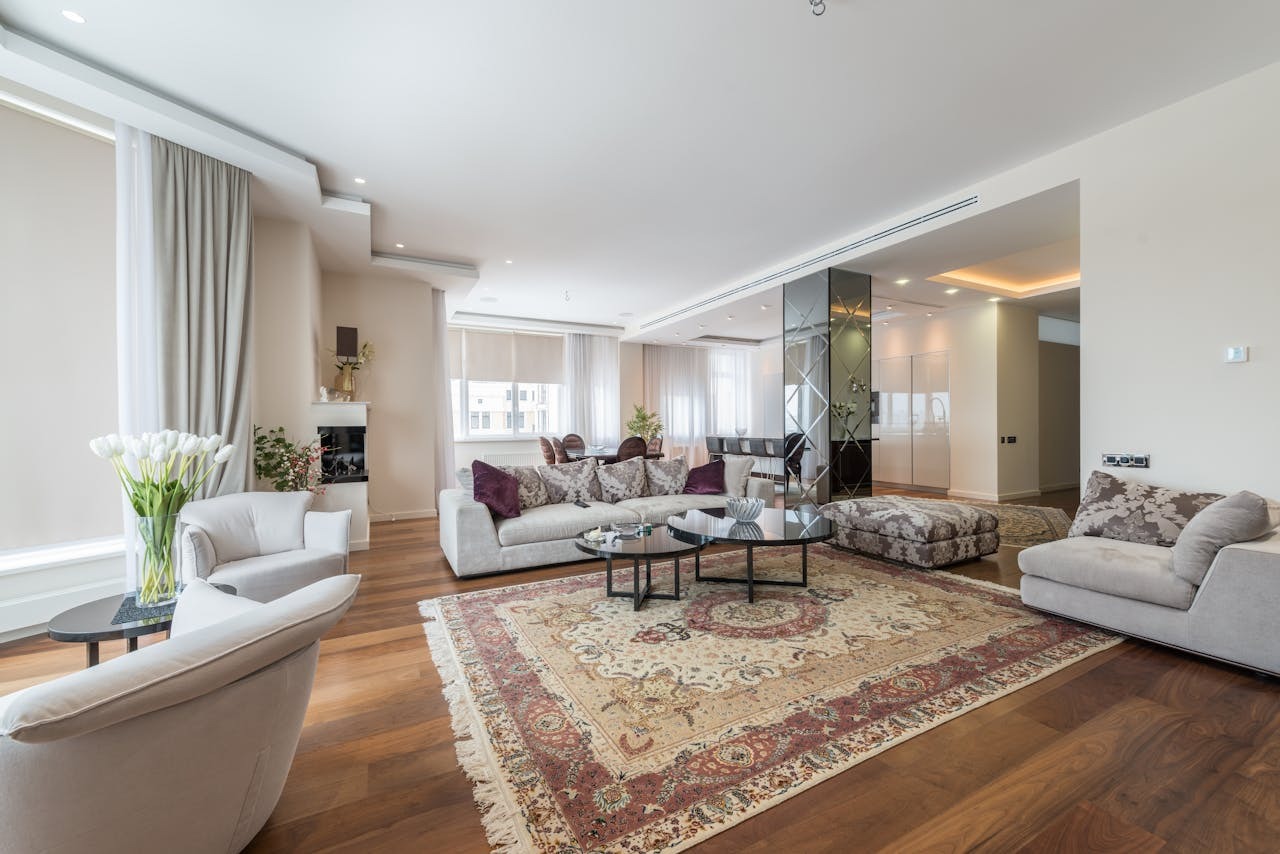
Image Alt Text: Light living room in luxury apartment in daytime
While there are a lot of benefits to finishing, there are also some drawbacks worth pointing out. These disadvantages affect both tenants and landlords, and they include:
Higher Cost and Reduced Personalization for Tenants
You’ll pay an enormous amount of money in monthly rent so that your landlord can recover the costs associated with the furniture. Long term, this expense may be greater than what you would have paid for the furniture when you purchased it.
When you live with other people’s furniture, you’re giving up the opportunity to express yourself through your belongings and are subject to the quality and tastes of others. As a result, you may experience the sense of being in a “long-term hotel” as opposed to feeling at home.
Increased Responsibility and Risk for Landlords
For property owners, providing furniture for your units transforms you into a furniture rental business. The property owner is responsible for maintaining, repairing, or replacing each piece of furniture that will be provided by the landlord.
Since the furniture wears out faster than an unfurnished unit would, disputes over damage to the furniture (beyond normal wear) become very common when it comes time to negotiate the security deposit.
Careful documentation of both the move-in and move-out inspection processes is recommended. This could also result in more frequent turnovers since the tenant may choose to rent for a shorter term than they otherwise would have.
Limited Market and Logistical Complexities
A furnished unit will be attractive to fewer potential tenants and may require that they enter into a short-term rental agreement, thereby increasing the risk of vacancy.
Also, a great deal of complexity exists in providing furnished units; this includes finding good quality, durable furniture, storing it until it is needed again (between rentals), and managing a stock of furniture.
Working with a professional property management company is advisable due to their ability to provide solutions to these complex tasks. Professional property managers will also make sure that the terms of the lease agreement define who is responsible for the furniture to minimize disputes.
How to Estimate Total Cost to Furnish a Rental Property
The estimated expense for a landlord includes the total cost of the original purchase of the furnishings and the ongoing expenses to keep the furnishings appealing to renters for years to come.
Below is a step-by-step guide to building a budget for furnishing your rental properties:
Phase 1: Calculate the Initial Setup Investment
First, create a room-by-room list of all the items you will need to furnish your home. You want to use products that are sturdy and neutral in color, easy to clean, and most importantly, will appeal to as many potential renters as possible. The bulk of your original purchases will come from a handful of large categories:
| Category | Key Items | Estimated Cost Range (Mid-Quality) |
| Living Room | Sofa, armchair, coffee table, side tables, lamps, TV stand. | $1,500 – $3,000 |
| Bedrooms (per room) | Bed frame, mattress, nightstands, dresser, lamp. | $1,000 – $2,500 |
| Dining Area | Table and 4-6 chairs | $600 – $1,500 |
| Home Office | Desk, ergonomic chair, lamp. | $400 – $1,000 |
| Essentials | Kitchenware, bedding, towels, window coverings, and lighting. | $1,000 – $2,000 |
| Delivery & Assembly | Professional service for multiple items. | $200 – $600 |
Total Estimated Initial Investment: $4,700 – $10,600+
Phase 2: Factor in Ongoing Costs and ROI
To determine what it truly costs to own a rental property, you should consider the following costs:
- Depreciation: Most furniture has some depreciation cost associated with it. For example, budget for replacing all “soft goods” (such as mattresses and sofas) at least once every five to seven years and replacing or repairing most other furniture items on a seven-to ten-year basis.
- Maintenance and Repairs: Budget at least 5-10% of the original purchase price of the furniture annually for things such as maintenance and repairs. For example, tightening a loose chair leg and minor replacements (such as lamps, kitchenware.
- Increased Labor Costs: The furniture model requires additional work. It is important to work with a property management company in Baltimore as they will professionally manage the inventory, schedule cleanings and repairs, and perform a thorough inspection to ensure that there is no excessive wear and tear on the items.
Phase 3: Determine Your Rental Premium
Lastly, determine how much of an increase in rent will be needed to allow for this investment to be financially feasible. Take your entire initial cost and divide it by 24 (a conservative 2-year payback period) plus your anticipated monthly reserve for maintenance.
This number will be the lowest amount of money you can reasonably charge as a monthly premium. Example: A $6,000 setup will require a monthly premium of at least $250 – $300 per month in order to have a chance at being profitable in the long run.
Conclusion
When choosing a furnished rental unit, you have to weigh several clearly defined tradeoffs; that is, the cost of greater convenience and flexibility against the opportunity to personalize.
When evaluating the costs and benefits of renting a furnished property, tenants and landlords should utilize an in-depth cost evaluation as a basis for making informed and financially prudent choices.
The keys to success will be establishing clarity regarding expectations, documenting all agreements thoroughly, and determining the actual long-term benefit for your specific situation.