
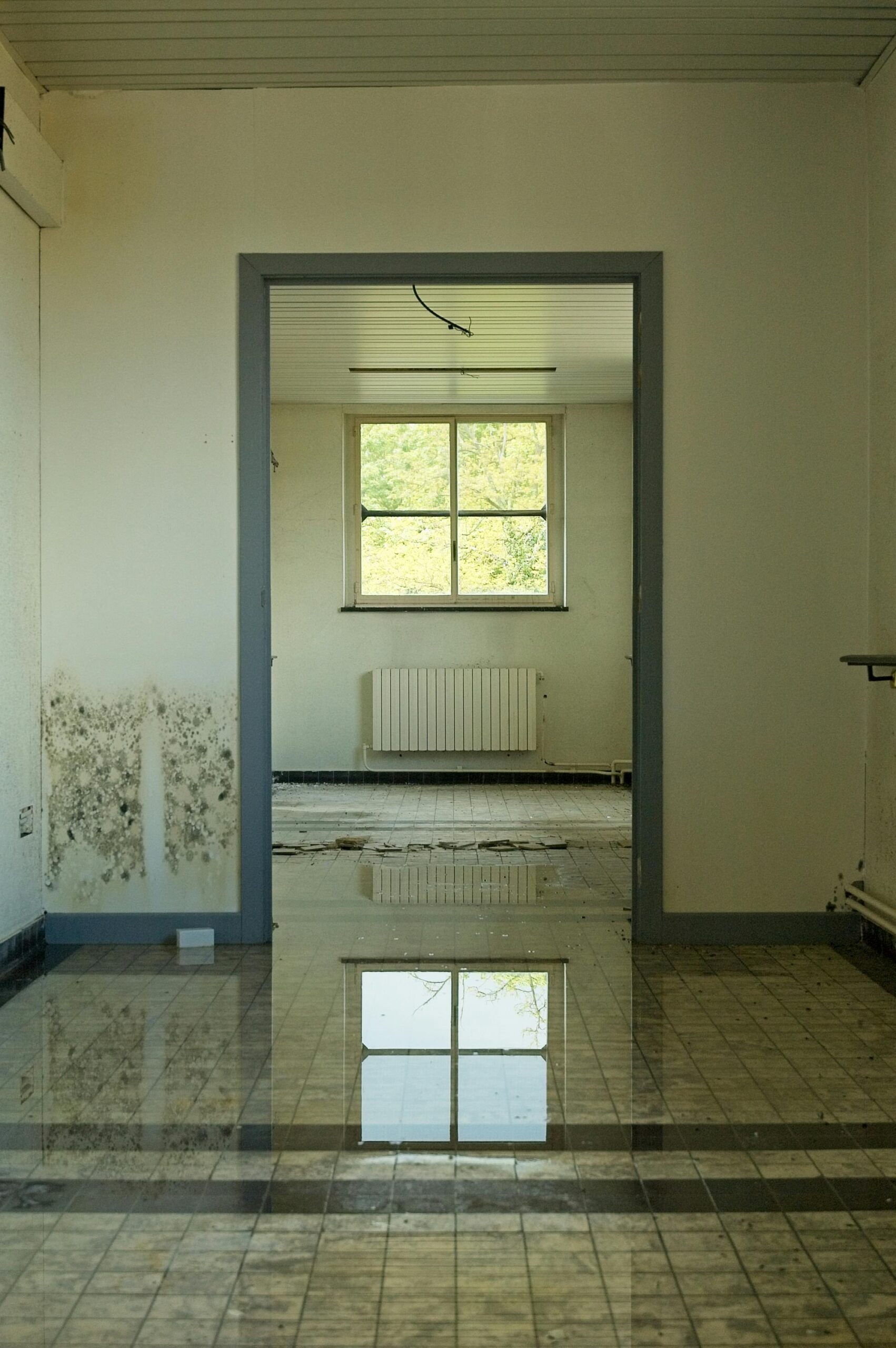
Water doesn’t always announce itself with dramatic floods or obvious leaks. Sometimes it creeps in silently through tiny gaps, condenses on cold surfaces, or seeps through porous materials. By the time you notice the musty smell or spot discoloration on walls, moisture has already been working against your property for weeks or months.
The relationship between moisture and property damage goes deeper than surface-level concerns. When water finds its way into building materials, it creates conditions for mold growth, wood rot, and structural deterioration. Traditional insulation methods often fail to address these vulnerabilities, leaving properties exposed to expensive repairs and health hazards.
Understanding the Connection Between Moisture and Property Damage
Moisture infiltration ranks among the most destructive forces affecting residential and commercial buildings. Water vapor moves through building assemblies following the path of least resistance, seeking cooler temperatures where it condenses into liquid. This process happens continuously, driven by temperature differences and humidity levels.
When building materials absorb moisture, their structural properties change. Wood loses strength and becomes susceptible to decay. Metal components corrode faster. Drywall softens and crumbles. These changes compound over time, often remaining hidden until significant damage has occurred.
The financial impact extends beyond repair costs. Energy bills increase as wet insulation loses its thermal resistance. HVAC systems work harder to maintain comfortable temperatures. Indoor air quality deteriorates as mold spores circulate through ventilation systems. Property values decline when moisture problems become evident during inspections.
Why Traditional Insulation Falls Short on Moisture Control
Fiberglass batts and cellulose insulation were designed primarily for thermal resistance, not moisture management. These materials absorb water readily, losing their insulating value when wet. A fiberglass batt that gets damp can lose up to 50 percent of its R-value, essentially transforming into an expensive sponge.
Standard vapor barrier insulation attempts to address moisture issues through plastic sheeting installed alongside traditional insulation. However, this approach has limitations. Seams and penetrations create pathways for moisture movement. The barrier itself doesn’t prevent air leakage, which carries far more moisture than vapor diffusion alone.
How Spray Foam Insulation Moisture Barrier Systems Work
Services from 903 Spray Foam takes a fundamentally different approach to moisture management. When applied, the material expands to fill gaps and cavities, creating a continuous barrier against both air movement and moisture infiltration. This dual function addresses the primary mechanisms through which water enters building assemblies.
The chemistry behind spray foam water resistance involves closed-cell structure at the microscopic level. Each tiny cell acts as an individual barrier, preventing water molecules from passing through. The material’s density and cell structure create what building scientists call a Class II vapor retarder, significantly reducing moisture transmission without completely blocking it.
Closed cell spray foam moisture protection offers the highest resistance to water penetration. With a density of approximately two pounds per cubic foot, this formulation provides structural reinforcement while blocking liquid water and reducing vapor transmission. The material doesn’t absorb water or lose its insulating properties when exposed to moisture.
Spray Foam Mold Prevention: Creating an Inhospitable Environment
Mold requires three conditions to grow: moisture, organic material to feed on, and appropriate temperatures. Spray foam mold prevention works by eliminating the moisture component of this equation. Without adequate moisture, mold spores cannot germinate and establish colonies, regardless of other conditions.
The inert chemical composition of cured spray foam provides no nutritional value for mold. Unlike cellulose or paper-faced fiberglass, which contain organic materials that support fungal growth, spray foam remains biologically inactive. This characteristic makes it inherently mold growth prevention insulation.
Spray foam air sealing contributes significantly to mold prevention by controlling humidity levels. When warm, moist air meets cool surfaces, condensation occurs. By preventing air movement through building assemblies, spray foam eliminates the transport mechanism that delivers moisture to condensation-prone areas.
Condensation Control Spray Foam in High-Risk Areas
Attics represent one of the most vulnerable areas for moisture problems. Temperature differences between conditioned spaces and outdoor air create powerful driving forces for condensation. When spray foam insulation is applied to the roof deck, it moves the thermal boundary to the exterior, keeping roof sheathing warmer and reducing condensation potential.
Crawl spaces present unique moisture challenges. Ground moisture evaporates continuously, raising humidity levels in these confined spaces. Traditional vented crawl spaces often make problems worse by introducing humid outdoor air during summer months. Waterproof insulation solutions that include spray foam on foundation walls create sealed crawl spaces that remain drier year-round.
Basements deal with both interior humidity and exterior hydrostatic pressure. Moisture resistant insulation applied to basement walls must resist water intrusion while managing vapor movement. Closed cell formulations excel in these applications, providing structural support while blocking water penetration.
The Role of Complete Protection
Air leakage carries far more moisture into building assemblies than vapor diffusion. A single quarter-inch gap can transport as much moisture through air movement as diffusion through 30 square feet of drywall. This reality makes air sealing essential for effective humidity control insulation.
Spray foam creates continuous thermal and air barriers because it adheres to structural elements and expands to fill irregular spaces. This seamless application eliminates the gaps and seams that plague traditional insulation methods, providing comprehensive protection against moisture infiltration.
Is Spray Foam Insulation Moisture Barrier Right for Your Property?
Evaluating your property’s moisture vulnerability starts with understanding your specific challenges. Consider your climate, building age, existing moisture issues, and long-term goals. Properties with persistent condensation problems, previous mold remediation, or high humidity levels benefit most from comprehensive moisture management systems.
The investment in proper moisture control pays dividends through reduced energy costs, improved indoor air quality, and protected structural integrity. Take time to assess your current insulation, identify moisture-prone areas, and consult with insulation professionals who understand building science principles. Your property deserves protection that addresses both thermal performance and moisture management comprehensively.