
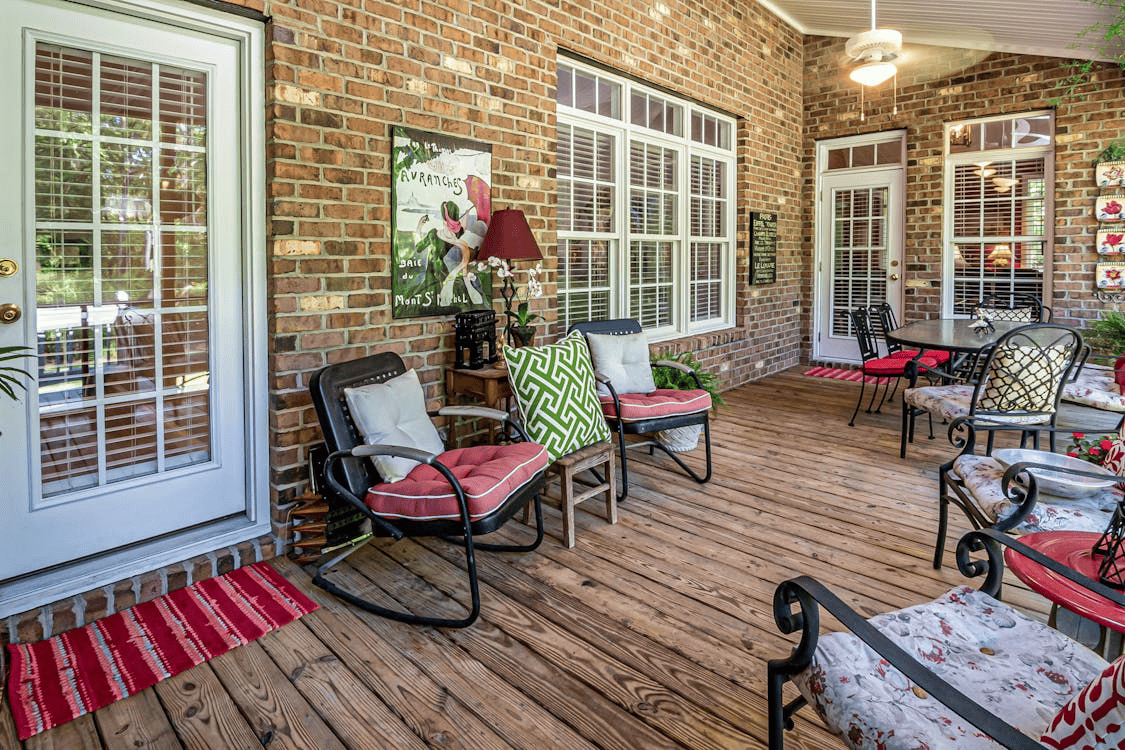
After a long winter, there is something genuinely satisfying about reclaiming your outdoor space. The furniture comes out of storage, the grill gets uncovered, and suddenly the patio that sat forgotten for months starts looking like somewhere you actually want to spend time again. But before you dive straight into the entertaining season, a little preparation goes a long way. A few hours spent checking, cleaning, and setting up your outdoor space properly at the start of summer means fewer headaches later — and a space that’s safe, comfortable, and ready to use from the first warm weekend onwards. Work through this checklist, and you’ll be in great shape before the season properly gets going.
Inspect and Clean Your Deck or Patio Surface
The first thing to do is get down and take a proper look at the condition of your deck or patio after winter. Cold temperatures, frost, and moisture can do more damage than most homeowners realise, and catching problems early is always easier and cheaper than dealing with them mid-season.
For decks, check for loose or warped boards, raised nails or screws, soft spots that might indicate rot underneath, and any cracking or splitting in the wood. For patios, look for cracked or sunken pavers, loose jointing sand between stones, and any areas where water may have pooled and caused damage to the base.
Once you’ve done your inspection, a thorough pressure wash makes an enormous difference. Winter leaves behind a buildup of algae, mould, dirt, and general grime that makes even a well-maintained surface look tired and neglected. A pressure wash strips all of that back and gives you a clear view of the actual condition of the surface underneath — and more often than not, things look significantly better once it’s clean.
Check and Tighten All Hardware
This step gets skipped more often than it should, but it matters — particularly if you have a raised deck with railings or stairs that people will be leaning on and using throughout the summer.
Go around every railing, post, baluster, and stair and give them a firm shake. Anything that moves more than it should needs attention before the space is in regular use. Check all visible screws and fasteners for rust or loosening, and replace anything that looks compromised. Deck screws and joist hangers are inexpensive and widely available, and taking an hour to tighten and replace hardware is a straightforward job that significantly improves both the safety and the longevity of the structure.
If you have a composite deck with hidden fasteners, check along the board edges for any that have worked loose over winter. Most composite decking systems have straightforward repair options that don’t require professional help for minor fixes.
Refinish or Reseal Your Deck
Not every deck needs refinishing every year, but after a harsh winter, it’s worth checking whether yours does. The simplest test is the water bead test — splash a small amount of water onto the surface. If it beads up and sits on top, your existing sealant is still doing its job. If it soaks straight in, the wood is unprotected and needs attention before the summer sun and foot traffic cause further damage.
If refinishing is needed, start by sanding the surface lightly to remove any remaining old finish and open up the grain of the wood. Then decide between a stain and a sealant depending on what your deck needs. A stain adds colour and penetrates the wood for deeper protection, while a clear sealant preserves the natural look while repelling moisture. Either way, choose a product rated for exterior use and apply it on a dry day with mild temperatures for the best result.
Bring Out and Clean Your Outdoor Furniture
Outdoor furniture that has been in storage through winter usually needs more attention than a quick wipe down. Depending on how it was stored and what it’s made from, you may be dealing with dust, mildew, surface rust, or fabric that has absorbed moisture and developed an unpleasant smell.
Start by wiping down all hard surfaces with a mild soap and water solution and a soft cloth. For metal furniture, check for any rust spots — light surface rust can usually be treated with a rust remover and touched up with exterior paint before it has a chance to spread. For wicker and resin pieces, a gentle scrub with warm soapy water and a brush works well for getting into the weave.
Cushions deserve particular attention. If they’ve been stored properly in a dry space, they should be fine with an airing out, but if there’s any sign of mildew, wash them according to the fabric care instructions before putting them back into use. If the foam has broken down or the fabric is significantly faded or worn, this is a good time to replace them — new cushions have a disproportionately large effect on how inviting the whole space looks and feels.
Set Up Your Outdoor Lighting
Outdoor lighting tends to be one of those things that gets neglected until you’re sitting outside at dusk and realise half the lights don’t work. Go through everything at the start of the season so it’s sorted before you need it.
Check any hardwired wall lights or post lights for dead bulbs and replace them with LED options if you haven’t already — they last significantly longer and use a fraction of the energy. For string lights, plug them in and check for sections that have stopped working; often it’s a single faulty bulb causing a whole section to go out, and replacement bulbs are inexpensive and easy to swap.
Solar path lights are worth adding if you don’t already have them. They require no wiring, charge themselves during the day, and provide a warm glow along pathways and garden edges that improves both safety and atmosphere in the evening. Position them on the south-facing side of your path for maximum sun exposure and the best charging performance.
Sort Out Your Shade Solution
Shade is one of those things that seems less urgent at the start of the season and becomes essential the moment the temperature climbs. Getting your shade solution sorted early — rather than scrambling for it on the first truly hot weekend — means your outdoor space is ready to use comfortably from day one.
In areas like Grand Rapids, where winters are long and summers are genuinely short, making the most of every warm day matters. That urgency is part of why more homeowners in the region have been investing in motorized patio awnings as their shade solution of choice. The appeal is straightforward — with a remote control or wall switch, you can extend full shade coverage in seconds without leaving your seat, and retract it just as easily when you want open sky or when the weather moves in. There’s no wrestling with a crank handle, no manual adjustments, and for homeowners who want their outdoor space to be as effortless as possible, that ease of use makes a genuine difference to how often the space actually gets used.
If you already have an awning, now is the time to inspect the fabric for any winter damage, clean it with a mild solution, and check that the mechanism is operating smoothly before the season gets underway.
Check Your Grill and Outdoor Kitchen Area
After sitting unused through winter, your grill needs a proper check before it goes back into regular rotation. Start by removing the grates and giving them a thorough scrub to remove any grease buildup or rust that has developed in storage. A grill brush and some warm, soapy water handles most of it, but for heavy buildup, a dedicated grill cleaner will speed things up.
For gas grills, check the fuel line and connections carefully. Look for any cracking or brittleness in the hose, and test connections by applying a small amount of soapy water and watching for bubbles when the gas is turned on — any bubbling indicates a leak that needs to be addressed before the grill is used. Check that all burners are clear and igniting evenly, and replace any that aren’t performing correctly.
If you have an outdoor kitchen area, wipe down all surfaces, check that any outdoor-rated appliances are functioning properly, and restock your supplies so you’re not making unnecessary trips inside mid-cookout.
Add Some Greenery
A few well-placed plants can completely change the feel of an outdoor space. After the bare months of winter, greenery adds life, colour, and warmth to a patio or deck in a way that no furniture or accessory quite replicates.
Container gardening is ideal for patios and decks because it’s flexible — you can move planters around to find the best light, swap out plants seasonally, and scale up or down depending on your space. Potted herbs like basil, rosemary, mint, and thyme are particularly practical additions because they look good, smell wonderful, and actually get used in the kitchen. For colour, trailing plants like calibrachoa and lobelia fill containers quickly and bloom all summer reliably with minimal attention.
If you have railing planters or vertical space on a fence or wall, consider a few trailing or climbing plants to add height and soften the hard lines of the structure. Even a single large planter with a well-chosen combination of plants can become a genuine focal point that ties the whole space together.
A Little Prep, A Full Summer of Enjoyment
Working through this checklist at the start of the season takes a weekend at most, and the payoff lasts all summer long. A deck or patio that’s been properly inspected, cleaned, and set up is not only safer and better looking — it’s one you’ll actually want to spend time on consistently, rather than one that always feels like it needs a little more attention before it’s quite ready.
Get the prep done early, take care of anything that needs fixing before it becomes a bigger problem, and then step back and enjoy the season. That’s what outdoor spaces are for.