
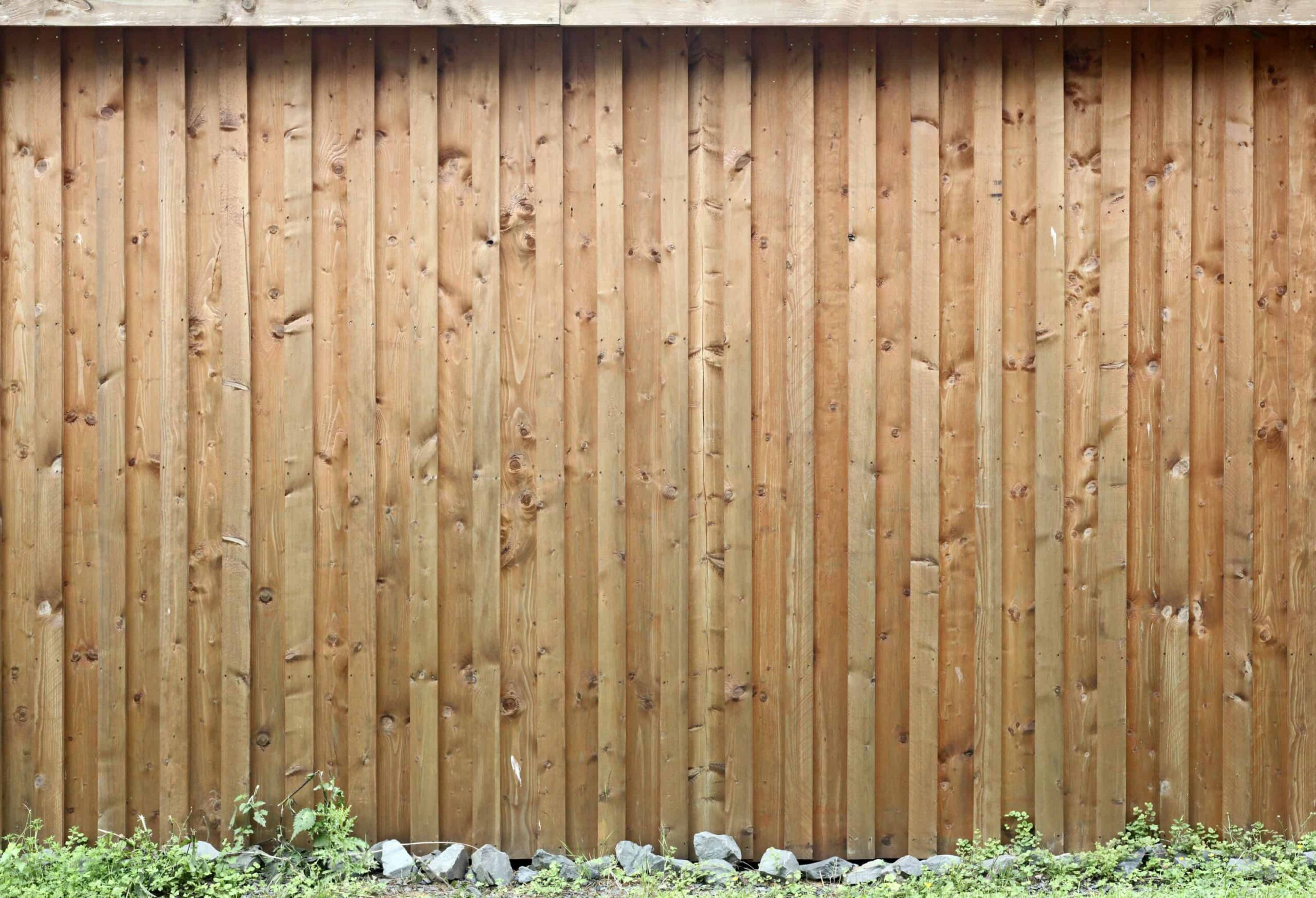
When it comes to enhancing your home’s security, privacy, and curb appeal, few improvements are as practical and impactful as installing a fence. However, with so many fencing materials, styles, and functionalities available, selecting the perfect one for your property can feel overwhelming. Homeowners often find themselves balancing aesthetic preferences, budget constraints, and durability concerns when making their choice.
A well-chosen fence serves more than just a functional purpose. It contributes to the overall character of your property, influencing how others perceive your home from the street and how you enjoy your space from within. Whether your primary goal is to keep pets safe, protect your privacy, or create a clear property line, the right fence can significantly enhance your daily life.
Choosing a fence isn’t just about picking the most attractive option on the market. It requires careful consideration of your property’s layout, your local climate, and ongoing maintenance demands. With the guidance of a reliable fence company like Heartwood Fence, you can make informed decisions that yield long-lasting value and satisfaction.
Understand Your Needs First
Before browsing styles and materials, it’s essential to identify why you need a fence in the first place. Each purpose may require a different solution. For example, if you’re looking to secure pets or children in your yard, height and stability will be critical. If you’re aiming to increase privacy, solid panels or tall structures may be the best fit.
Some homeowners install fences purely for aesthetic reasons. In this case, style and cohesion with the home’s design become a priority. Those living in areas with heavy winds or snowfall might also need to think about durability and resilience. Understanding your primary needs will narrow your options significantly and help you communicate effectively with a fence installation contractor.
In many cases, properties may have multiple needs. A fence can serve both functional and decorative purposes simultaneously. Fortunately, many modern fence designs allow homeowners to achieve both, combining security features with attractive finishes and materials.
Evaluate Material Options
Fence materials come in various types, each with its own advantages and limitations. Common materials include wood, vinyl, aluminum, wrought iron, and chain link. Each material differs in terms of cost, durability, maintenance, and appearance.
Wood is a classic option that offers a warm and natural look. It’s customizable and blends well with many architectural styles. However, it requires regular maintenance like staining or sealing to prevent rot and pest damage. Vinyl, on the other hand, is low maintenance and resistant to weather damage but may be more expensive initially.
Metal fences like aluminum and wrought iron offer strength and longevity. Aluminum is rust-resistant and lighter in weight, while wrought iron is more durable but prone to rust if not properly treated. Chain link fences are cost-effective and ideal for security purposes, but they might not be the best option for privacy or aesthetics.
Consider Local Climate and Environment
Your local climate plays a significant role in determining which fencing materials will perform best. For instance, wood may warp or rot in areas with high humidity or rainfall, while metal may corrode if not properly treated in coastal regions with salty air.
If you live in a region with heavy snow or frost, you’ll need a fence with deep-set posts to prevent shifting during freeze-thaw cycles. UV exposure from strong sunlight can also affect some materials more than others. Vinyl and treated wood tend to hold up well under UV rays, whereas painted metal may fade or peel over time.
Working with a fence installation services provider who understands regional climate conditions can help you make a more informed choice and avoid costly mistakes down the road.
Know Your Local Regulations
Before you install a fence, check with your local municipality or homeowner’s association (HOA) about fencing rules and regulations. Many communities have guidelines on fence height, style, placement, and even color. Ignoring these rules can result in fines, delays, or even the need to remove the fence altogether.
Permits are often required for fence installation, especially if the fence exceeds a certain height or if you’re digging near utility lines. A knowledgeable fence installation contractor will be familiar with local regulations and can often handle the permitting process for you.
Property lines are another important consideration. Make sure your new fence doesn’t encroach on a neighbor’s property. Hiring a surveyor before starting your project may be necessary if boundaries are unclear.
Think About Maintenance and Longevity
Different fences require different levels of maintenance. Wood fences, for instance, need regular upkeep such as staining, sealing, or painting. While they can be beautiful and timeless, the maintenance commitment can be significant.
Vinyl and metal fences typically require less maintenance. Vinyl can be cleaned easily with soap and water, while aluminum fences often just need an occasional rinse. Wrought iron may require repainting or rust-proof treatment from time to time, especially in humid climates.
When selecting a fence, consider how much time, effort, and money you’re willing to invest in long-term care. Discuss these factors with your fence company early in the planning stages to find the best fit for your lifestyle and property.
Match Fence Style to Your Home’s Aesthetic
Your fence should complement the architecture and landscaping of your home. For example, a white picket fence might look perfect in front of a cottage-style house but could clash with a modern or minimalist home. Similarly, sleek horizontal slat fences work well with contemporary designs but might not suit a colonial-style property.
Fence styles include everything from shadowbox and lattice to board-on-board and split rail. Some styles offer better airflow or visibility, while others are designed for complete privacy. Balancing functionality with visual appeal is key.
Midway through your planning, it’s a good idea to revisit your options with Heartwood Fence. They can provide examples, photos, or on-site evaluations to help ensure your fence not only serves its purpose but also enhances your home’s appearance.
Choose the Right Fence Installation Contractor
Installing a fence is a significant investment, so it’s crucial to work with a qualified professional. A reputable fence installation contractor will have experience with your chosen materials, a clear installation process, and strong references or customer reviews.
When selecting a contractor, ask about their licensing, insurance, warranties, and previous projects. A contractor who listens to your needs and provides clear communication throughout the process is invaluable. It’s also wise to get multiple quotes so you can compare services and pricing.
Be sure to ask specific questions about timeline, cleanup, and what happens if unexpected challenges arise. Transparency from the start builds trust and reduces the risk of future issues.
Budgeting and Hidden Costs
While cost is always a factor, the cheapest option isn’t always the best in the long run. Be sure to account for all expenses, including materials, labor, permits, and potential maintenance. Sometimes spending a bit more upfront can save you money over the life of the fence.
Additionally, think about long-term value. A well-built, attractive fence can increase your property’s resale value and reduce future repair costs. Choose a fence that offers the best balance between affordability and durability.
By working with a professional fence company that offers honest estimates and quality service, you can avoid hidden costs and ensure that your fencing project is completed on time and on budget.
Final Thoughts
Choosing the right fence for your property is a major decision that impacts both the function and appearance of your home. By considering your needs, researching materials, and evaluating installation professionals, you’ll be well on your way to a fence that adds value and peace of mind.
To ensure the job is done right, many homeowners turn to experienced professionals like Heartwood Fence, who offer tailored advice and expert installation services. Their understanding of both the technical and aesthetic aspects of fencing can make all the difference.
With thoughtful planning and the support of a trusted fence company, your new fence will be a lasting investment that enhances your property for years to come.