
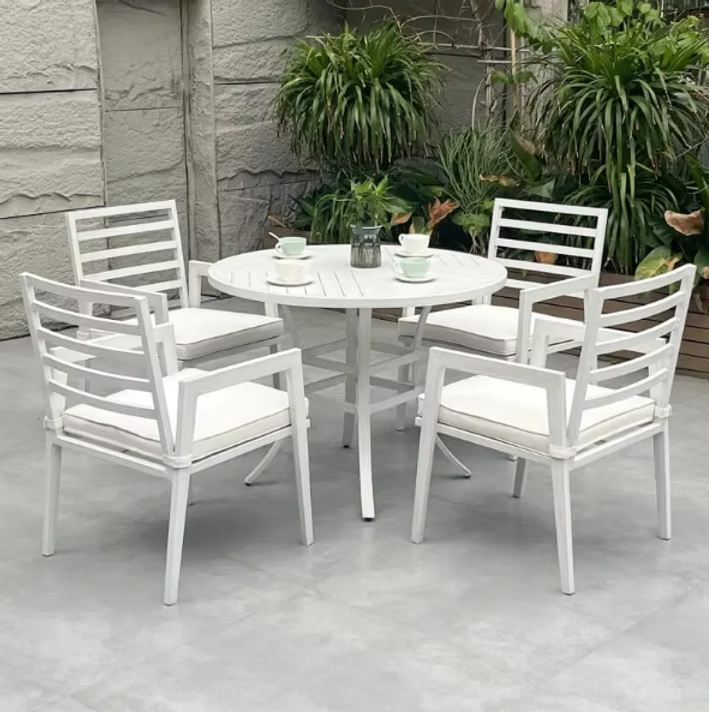
Choosing outdoor furniture that lasts for many years is essential if you want a comfortable and dependable outdoor living space. Weather exposure—sun, heat, moisture, and dust—quickly breaks down poorly made pieces. This is why the difference between budget sets and furniture engineered by an experienced aluminum patio furniture manufacturer becomes obvious after just one season outdoors.
Understanding how materials and construction perform in different climates helps you make better choices. Many major producers, including large-scale brands similar to a reputable Chinese outdoor furniture supplier, test their designs in multiple regions to ensure long-term durability. Their methods reveal what truly matters when selecting outdoor pieces that survive harsh weather.
Understanding What Makes Outdoor Furniture Truly Durable
Outdoor environments are unforgiving, and furniture that lacks proper protection will degrade quickly. Before purchasing, consider the climate where you live. Hot, humid, rainy, or coastal regions require materials with stronger resistance to rust, UV rays, and moisture.
Two pieces may look identical, but their internal construction determines how long they last. Reinforced joints, thicker frames, and well-applied finishes tolerate outdoor stress far better than quick-assembly alternatives. Powder-coated aluminium, UV-stable finishes, and high-density outdoor fabrics are all indicators of long-term reliability.
Key Materials That Make a Difference
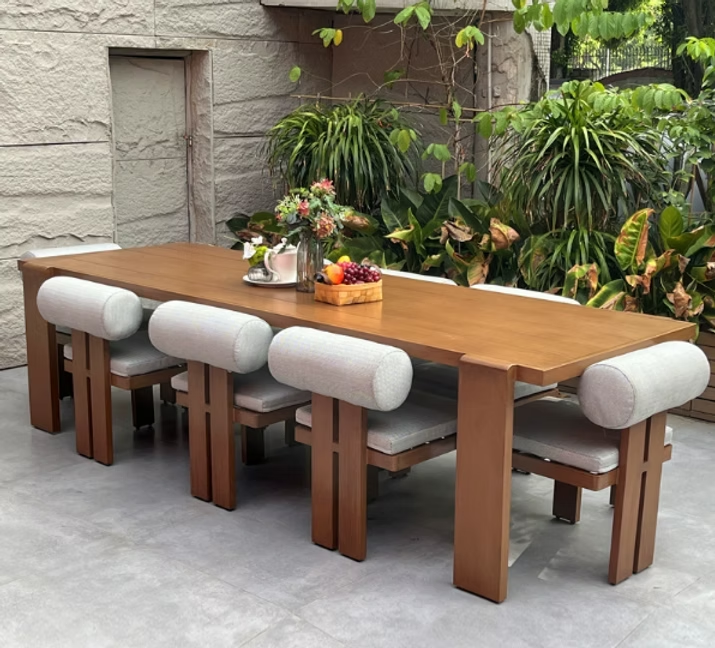
Aluminium, Teak, HDPE, Stainless Steel, and Synthetic Wicker
Certain materials are known for superior durability:
- Aluminium – Lightweight, rustproof, and ideal for all climates, especially when treated by a specialised aluminum furniture manufacturer.
- Teak – Naturally oil-rich and highly resistant to moisture and insects.
- HDPE (High-Density Polyethylene) – Excellent for outdoor use due to its stability and fade resistance.
- Stainless Steel – Strong and long-lasting, particularly in dry climates.
- Synthetic Wicker – When made from UV-resistant fibres, it remains flexible and crack-free for years.
Large outdoor furniture producers—similar to a major Chinese outdoor furniture supplier—often rely on these materials because they perform consistently across global markets.
Fabric Quality Matters
Frames aren’t the only things that need durability. The best outdoor fabrics are:
- Solution-dyed acrylic – Colour is infused directly into the fibres, providing excellent fade, water, and mildew resistance.
- Polyester blends – Suitable for moderate climates if treated with UV protection.
Poor-quality fabrics fade, tear, or flatten quickly, especially in intense sunlight.
Cushion Filling and Comfort
Cushions should be both comfortable and engineered for outdoor performance:
- Quick-dry foam prevents water retention and mould.
- High-density foam maintains shape even with heavy use.
Thin or low-quality fillings lose support fast, reducing comfort and lifespan.
How to Evaluate Long-Term Durability Before Buying
Check Frame Construction
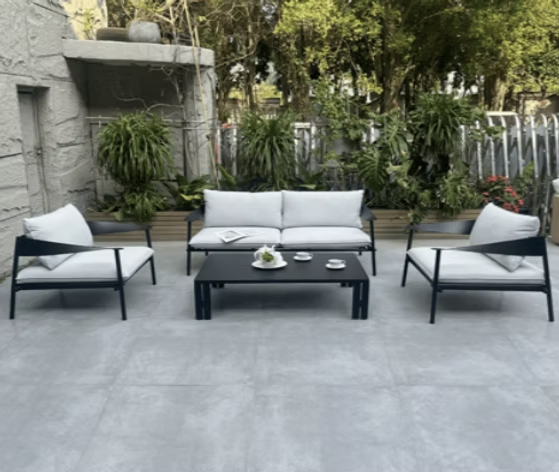
Not all frames are built the same. Welded aluminium frames typically outperform bolted or screwed joints by providing a stable, unified structure. Quality manufacturers also use thicker tubing and corrosion-resistant hardware to avoid early failure.
Inspect Coatings and Surface Treatments
A protective finish is crucial:
- Powder coating improves corrosion resistance.
- UV-stabilised coatings prevent colour fading.
Without proper coatings, even premium materials deteriorate faster outdoors.
Test for Comfort
Durability is important, but so is comfort. Features like deep seating, ergonomic backrests, and supportive cushions turn outdoor furniture into a space you actually enjoy. A durable but uncomfortable piece offers little value.
Understand Maintenance Needs
Maintenance is part of long-term care:
- Clean surfaces with mild soap.
- Use protective covers during harsh weather.
- Store lightweight or vulnerable pieces during storms.
A little upkeep dramatically extends the lifespan of your furniture.
Choose the Right Furniture for Your Space
Larger patios can accommodate full seating sets and loungers, while small balconies need compact, multifunctional designs. Proper planning prevents overcrowding and helps your space remain functional and attractive.
Consider Long-Term Value Over Price
Cheap outdoor furniture often ends up costing more due to frequent replacements. Investing in strong materials and reliable craftsmanship saves money over time. Think long-term rather than short-term.
Avoid Common Mistakes
Many buyers choose style over substance or underestimate maintenance requirements. Some woods need periodic oiling, and fabrics may require seasonal cleaning. Knowing this upfront prevents early wear and disappointment.
Test Before You Buy
Sitting on the furniture gives you a sense of:
- Comfort
- Stability
- Cushion quality
- Frame strength
Small details often reveal whether a piece will last.
Look for Sustainable Options
Eco-friendly choices like recycled HDPE or responsibly sourced wood offer durability without compromising environmental values. These materials provide long-lasting performance while supporting sustainable practices.
Conclusion
Choosing high-quality outdoor furniture becomes easy once you understand which materials, coatings, and construction methods offer genuine durability. Weather exposure quickly destroys weak frames and fabrics, but strong materials combined with expert engineering can last for years. When you prioritise rust resistance, UV protection, fabric quality, comfort, and proper maintenance, your outdoor space stays beautiful, functional, and low-maintenance for the long term.