
Keeping your home comfortable year-round starts with choosing the right HVAC service that understands both performance and efficiency. A well-designed and properly maintained heating and cooling system not only keeps your family comfortable in every season, it also helps control energy bills, protect indoor air quality, and extend the life of your equipment.
Whether you are building a new home, updating an older property, or finally replacing a system that can’t keep up, partnering with an experienced HVAC company can make every decision easier. From sizing and selecting the right system to ongoing tune-ups and repairs, a trusted local team provides guidance at every step, so you are not left guessing about costs, efficiency ratings, or comfort trade-offs.
Why Professional HVAC Service Matters
Your HVAC system is one of the most important mechanical systems in your home, responsible for heating, cooling, ventilation, and often humidity control. When it is properly installed and serviced, you get more consistent temperatures from room to room, better airflow, and fewer unexpected breakdowns during temperature extremes.
Professional technicians bring the training, tools, and experience needed to diagnose issues accurately instead of guessing or swapping parts at random. That precision helps you avoid repeat service calls, protects your equipment warranty, and ensures repairs or upgrades truly solve the comfort and efficiency problems you are experiencing.
Key Residential HVAC Services Homeowners Need
Most homeowners will need a mix of installation, repair, and maintenance services throughout the life of their HVAC system. A full‑service HVAC company can help you with new system installs, replacements for aging units, seasonal tune‑ups, emergency repairs, and indoor air quality improvements such as advanced filtration, humidifiers, or air purification solutions.
Having a single reliable provider handle all of these needs keeps service history, equipment details, and warranty information in one place. This continuity makes it easier to plan ahead, budget for upgrades, and ensure your system is always running as efficiently as possible for your specific home and lifestyle.
Energy Efficiency and Comfort Go Hand in Hand
Today’s heating and cooling equipment is designed with efficiency in mind, allowing homeowners to enjoy better comfort with less energy use. One important concept is the coefficient of performance (COP), which describes how effectively a system moves heat; higher COP values indicate better efficiency and lower operating costs over time.
When you work with an HVAC company that understands advanced efficiency ratings and modern equipment, you can match your system to your climate, home size, and budget rather than relying on one‑size‑fits‑all solutions. This thoughtful approach often leads to quieter operation, more stable indoor temperatures, and noticeable savings on monthly utility bills.
Signs It’s Time to Call an HVAC Professional
Certain warning signs suggest your system needs prompt attention, such as uneven temperatures, constant running, unusual noises, or sudden increases in energy use. You may also notice more dust, humidity problems, or frequent thermostat adjustments just to stay comfortable, all of which can point to underlying HVAC issues.
Ignoring these symptoms can put added stress on your equipment and may eventually lead to complete system failure at the worst possible time. By contacting a qualified HVAC company as soon as you notice changes in performance, you can often address minor problems before they escalate into expensive repairs or premature replacements.
Benefits of Preventive HVAC Maintenance
Routine preventive maintenance is one of the simplest ways to protect your HVAC investment and maintain year‑round comfort. During a professional maintenance visit, technicians typically clean critical components, check electrical connections, verify refrigerant levels, and confirm that your system is operating safely and efficiently.
This proactive care helps reduce unexpected breakdowns, improves indoor air quality, and can even extend the lifespan of your equipment. Many homeowners find that regular tune‑ups also keep their systems running closer to peak efficiency, which supports lower monthly utility costs and a more comfortable home environment.
Improving Indoor Air Quality with Your HVAC System
Modern HVAC systems can do more than heat and cool; they can also play a major role in improving indoor air quality. With the right combination of filtration, air purification, humidity control, and ventilation solutions, you can reduce dust, allergens, and airborne pollutants circulating through your living spaces.
Working with an HVAC specialist allows you to choose options tailored to your specific concerns, whether you are focused on allergies, odors, or general air freshness. Integrating these upgrades into your existing system can often be done with minimal disruption, making your home more comfortable and healthier without a full equipment replacement.
Comfort Solutions for Every Season
Home comfort needs change with the seasons, and your HVAC system should be ready to adapt. In the summer, efficient air conditioning and proper dehumidification keep living spaces cool and dry, while in the winter, a reliable furnace or heat pump delivers steady, even warmth without hot and cold spots.
 By working with an HVAC provider that understands seasonal demands, you can set up a maintenance schedule and system settings that support comfort in every month of the year. This may include preseason tune‑ups, thermostat adjustments, filter changes, and simple airflow improvements that help your system work smarter, not harder.
Smart Thermostats and Home Automation
Smart thermostats have quickly become one of the easiest ways to upgrade your home’s comfort and efficiency. These devices learn your schedule, allow remote control from your phone, and provide detailed insights into how and when you use heating and cooling.
When professionally installed and configured, smart thermostats can help reduce energy waste by automatically adjusting temperatures when you are away or asleep. They also make it easy to fine‑tune comfort room by room, especially when paired with zoning solutions or modern variable‑speed HVAC equipment.
Extending the Life of Your HVAC Equipment
Most homeowners want to get as many reliable years as possible out of their furnace, air conditioner, or heat pump. Regular maintenance, timely repairs, and proper system sizing all contribute to a longer equipment lifespan.
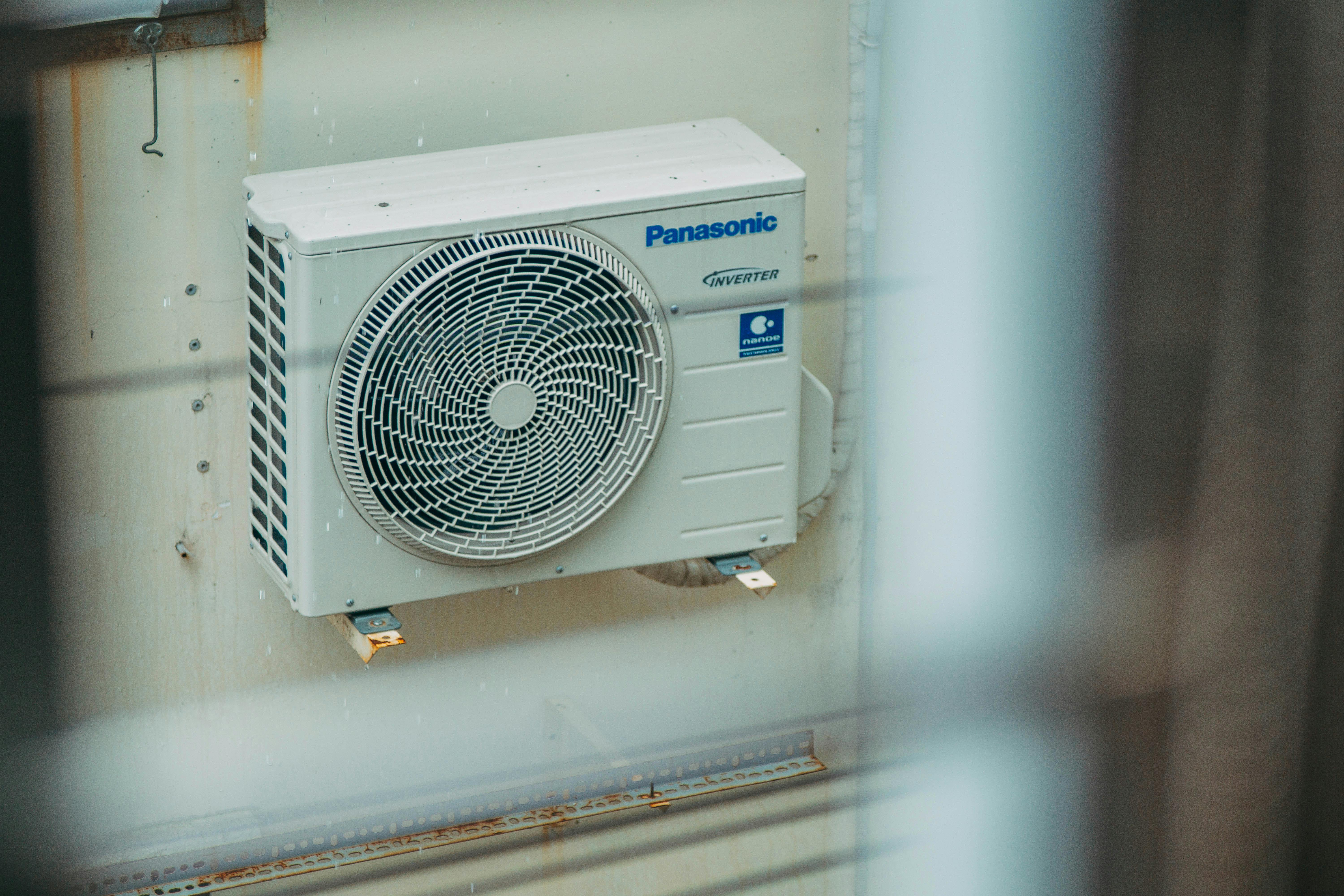
Simple habits like changing filters on schedule, keeping outdoor units clear of debris, and scheduling annual tune‑ups can significantly reduce wear and tear. When your HVAC partner also tracks your system’s age and performance, they can help you plan ahead for replacement before a major failure disrupts your comfort.
Planning for HVAC Replacement
Even the best-maintained system will eventually reach the end of its practical life. As units age, they often become less efficient, noisier, and more prone to breakdowns, which can make ongoing repairs less cost‑effective.
Working with a knowledgeable HVAC company helps you compare repair versus replacement costs, review different equipment options, and choose systems with the right capacity, efficiency ratings, and features. This planning process gives you time to budget, consider financing, and schedule work at a convenient time instead of rushing during an emergency.
Choosing a Trusted Local HVAC Partner
Selecting the right HVAC company is as important as choosing the right equipment. Look for providers with deep experience in your region, strong community ties, proper licensing and insurance, and a track record of standing behind their work.
Companies that prioritize customer service often offer convenient scheduling, clear communication, and technicians who respect your home and time. For homeowners in the Phoenix Metro area, Viking Heating & Air Conditioning is an example of a family-owned team that combines technical expertise with a community-first approach — serving Chandler, Gilbert, Mesa, and surrounding communities since 2016. When you find a team that combines technical expertise with a community‑focused approach, you get a partner you can rely on for every stage of your home comfort journey from initial installation to long‑term system care.