

For professional contractors, choosing the right tools is one of the most important parts of any project. The quality of work, speed of completion, and overall efficiency all depend on using the correct tools for the job.
Many people think that having more tools is the solution. But experienced contractors know that success is not about having the most tools, it is about having the right ones. Each project is different, and selecting the proper tools requires planning, knowledge, and experience.
Understanding the Job Requirements
The first step in choosing the right tools is understanding the job. Every project has its own needs. A small repair job requires basic hand tools, while a full home renovation may need advanced power tools and heavy equipment.
Professional contractors carefully study the scope of work before starting. They consider the type of materials involved, the level of precision required, and the time available to complete the project.
For example, cutting hardwood requires different tools than cutting drywall. Installing cabinets needs precision tools, while demolition work requires heavy-duty equipment.
By understanding the job clearly, contractors can select tools that match the task perfectly.
Choosing Tools Based on Quality and Durability
Professional contractors rely on their tools every day. Cheap or low-quality tools may save money at first, but they often fail quickly and slow down work.
That is why experienced contractors invest in high-quality tools. Durable tools perform better, last longer, and reduce the chances of breakdown during important tasks.
Strong tools also provide better results. For example, a high-quality drill delivers more consistent performance, while a reliable saw makes cleaner and more accurate cuts.
Choosing durable tools is not just about performance – it is about long-term value.
Matching Tools to Efficiency
Time is very important in professional projects. Delays can increase costs and affect deadlines. The right tools help contractors work faster and more efficiently.
Instead of using one tool for multiple tasks, professionals choose tools designed for specific jobs. This improves speed and reduces effort.
For example, using a power saw instead of a manual saw saves time and energy. Using the correct drill bit for a material prevents mistakes and rework.
Efficiency is not just about speed, it is also about working smarter.
Planning for Tool Mobility and Transport
Contractors often work at different locations. Tools need to be moved from one job site to another regularly.
This makes tool storage and transport very important. Carrying loose tools can lead to damage, loss, or delays during work.
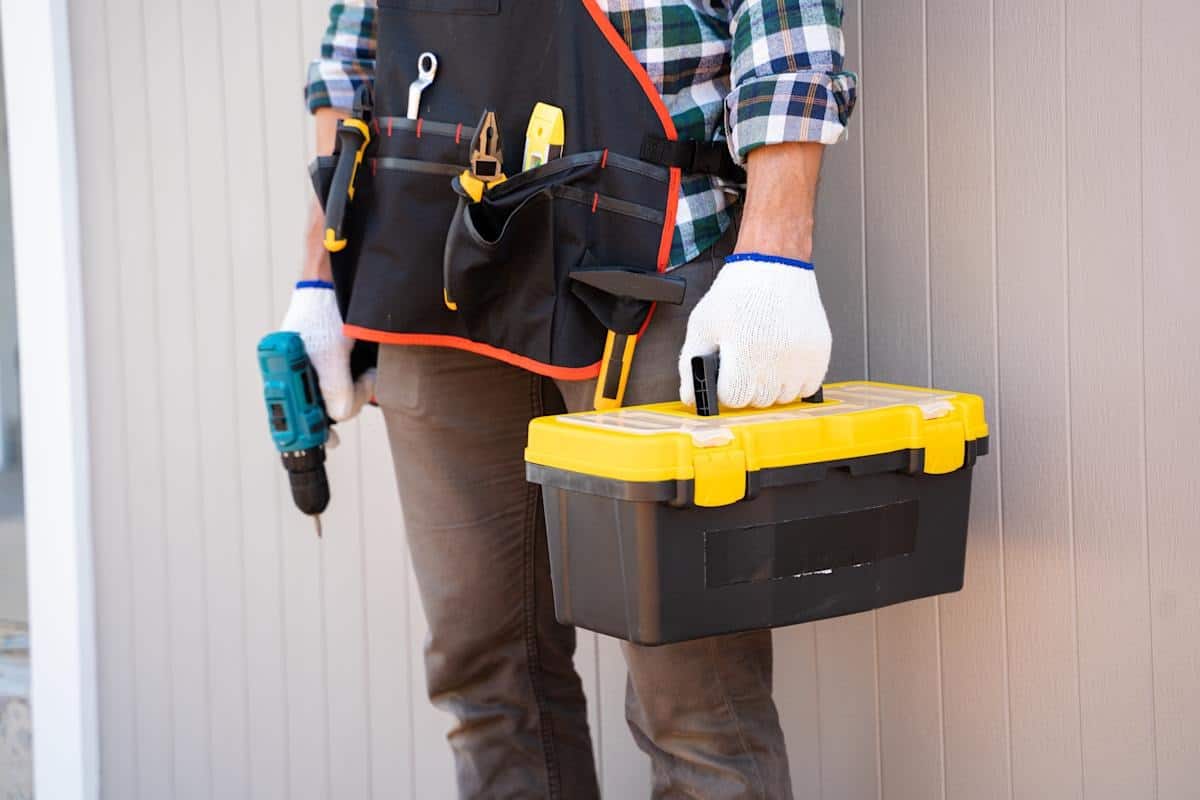
Many professionals use durable protective tool cases for contractors and job site equipment to keep their tools safe and organized. These cases protect tools from impact, dust, and moisture during transport.
Well-organized storage also makes it easier to find tools quickly, saving time on busy job sites.
Considering Safety on the Job Site
Safety is a top priority for professional contractors, and following proper tool safety guidelines helps reduce risks on the job site. Using the wrong tools can increase the risk of accidents.
Contractors choose tools that are safe, reliable, and suitable for the task. Tools with proper grips, safety guards, and stable designs help reduce risks during use.
In addition to choosing safe tools, contractors also make sure tools are well-maintained. Damaged or faulty equipment can be dangerous.
Using the right tools in the right way helps create a safer working environment.
Keeping Tools Organized
Organization is a key part of professional work. When tools are not organized, contractors waste time searching for them. This can slow down the entire project.
Professional contractors use structured storage systems to keep tools in order. Each tool has a designated place, making it easy to access when needed.
Organized tools also reduce the chances of losing equipment. This helps maintain efficiency and reduces unnecessary costs.
A well-organized setup allows contractors to focus on the job instead of managing clutter.
Adapting to Different Project Types
No two projects are exactly the same. A contractor may work on a kitchen renovation one day and a structural repair the next.
Because of this, professionals choose tools that are flexible and adaptable. Some tools can handle multiple tasks, while others are specialized for specific work.
Contractors often carry a combination of essential tools and project-specific equipment. This ensures they are prepared for different situations.
Being prepared with the right tools helps avoid delays and improves overall work quality.
Maintaining Tools for Long-Term Use
Choosing the right tools is only part of the process. Maintaining them properly is equally important.
Professional contractors regularly clean, inspect, and service their tools by following proper tool maintenance tips to ensure long-term performance.. This keeps them in good working condition and prevents unexpected failures.
Proper storage also plays a role in maintenance. Keeping tools in protective cases helps prevent damage from dust, moisture, and accidental impact.
Well-maintained tools perform better and last longer, making them a smart investment.
The Professional Advantage
The difference between a beginner and a professional contractor is not just skill, it is also how they manage their tools.
Professionals think ahead. They plan their tool selection based on the job, prioritize quality, focus on efficiency, and maintain their equipment properly.
This approach allows them to complete projects faster, deliver better results, and avoid unnecessary problems.
Choosing the right tools for every job is a skill developed through experience. It helps contractors work with confidence and maintain high standards in every project.
Conclusion
Selecting the right tools is a key part of successful home improvement and construction work. Professional contractors understand that the right tool can save time, improve quality, and increase safety.
By understanding project needs, investing in quality equipment, staying organized, and protecting tools during transport, contractors can work more efficiently and deliver better results.
In the end, the right tools do not just make the job easier, they make the job better.