
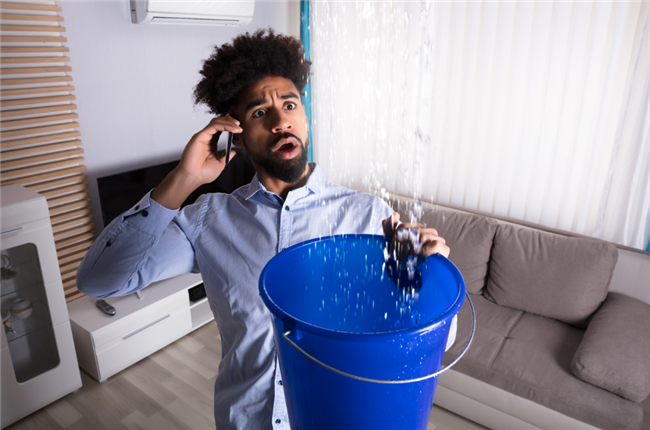
Emergency maintenance does not normally get looked at when putting together a financial strategy, but with every emergency incident, there is a cost to your finances. You may have been able to run your rental property successfully for some time, until an issue like an HVAC unit breaking down arises. When this happens, you need to act immediately and find money quickly.
Every emergency repair that occurs will come with a financial impact on you and affect your money flow and reserves. It will also affect your tenant satisfaction and, in turn, your profitability too. Over time, small issues will build up to create larger financial problems if you do not take immediate action to fix them. Keep reading this post to see how emergency repairs impact your rental finances and how you can prepare yourself if they may occur as well.
What Qualifies as Emergency Maintenance in a Rental Property?
Situations requiring urgent or emergency maintenance on the rental happen when there is something within the rental unit that creates an unsafe or uninhabitable environment and could potentially cause severe damage to your person or property if left unaddressed immediately. It is primarily regarding urgency rather than mere inconvenience to the tenant.
A burst pipe causing flooding throughout the entire building is an example of an emergency situation. In extremely cold conditions, a tenant may experience an emergency when they do not have heat, electricity, or running water; or, gas leaks, sewage back-ups, or electrical issues that could present a fire hazard. Overall, these situations require immediate attention and cannot wait until Monday or the next scheduled maintenance visit.
Security issues are also included. As the property owner, it is your responsibility to fix any damaged entry points, broken windows, or faulty door locks that put your tenant in danger. Also, pest infestations that pose a health risk to your renters, such as rodents or serious mold caused by dampness. Unless it becomes worse, a dripping faucet or a noisy air conditioner is typically not an emergency. In the meantime, allow your Arlington County property management company to proactively address maintenance issues that can help prevent expensive repairs. The general rule is simple: you are dealing with emergency maintenance if postponing the repair puts persons, property, or habitability at danger.
Why Emergency Repairs Cost So Much
Premium Contractor Rates
Emergency repair services are typically more expensive because they are provided faster than other types of repair services. Therefore, they come with an additional cost for immediate service versus a typical repair service when items break during normal business hours.
Contractors will often charge higher prices due to the loss of scheduled service calls and completing emergency service calls during hours that are not traditionally the case for most business days. Over time, the cost associated with travel time to complete last-minute calls and changing schedules is included as part of the premium charged for emergency services. The cost of emergency repairs is typically thought of as an urgency fee rather than just a skilled labor cost.
Potential for Secondary Damage
Repairing an emergency can get really expensive, really quickly, as a lot of the time, the issue that caused the emergency may lead to further issues. When something breaks without a warning, it doesn’t just sit there and wait for the most convenient time for you to plan for it; it is actively damaging your premises as you attempt to make plans to rectify the situation.
A great example of this would be a broken pipe. When a broken pipe occurs, the pipe itself isn’t going to be the only item that the water will damage. The water will penetrate into the floors, walls, wiring, and, in many cases, the lower floor unit as well. This can turn what could have been a simple leak repair into extensive flooring repairs, mold remediation, and drywall replacement.
The hidden cost of fixing an emergency situation is often secondary damage. This will increase the amount of labor, extend the repair timeframes, and will also mean that the unit will need to be vacated during the repair process. By the time you are at the point where all repairs are complete, you will not only have to pay for the initial damage but also all of the subsequent areas that are related to the initial damage.
Importance of Preventive Maintenance to Prevent Expensive Repairs
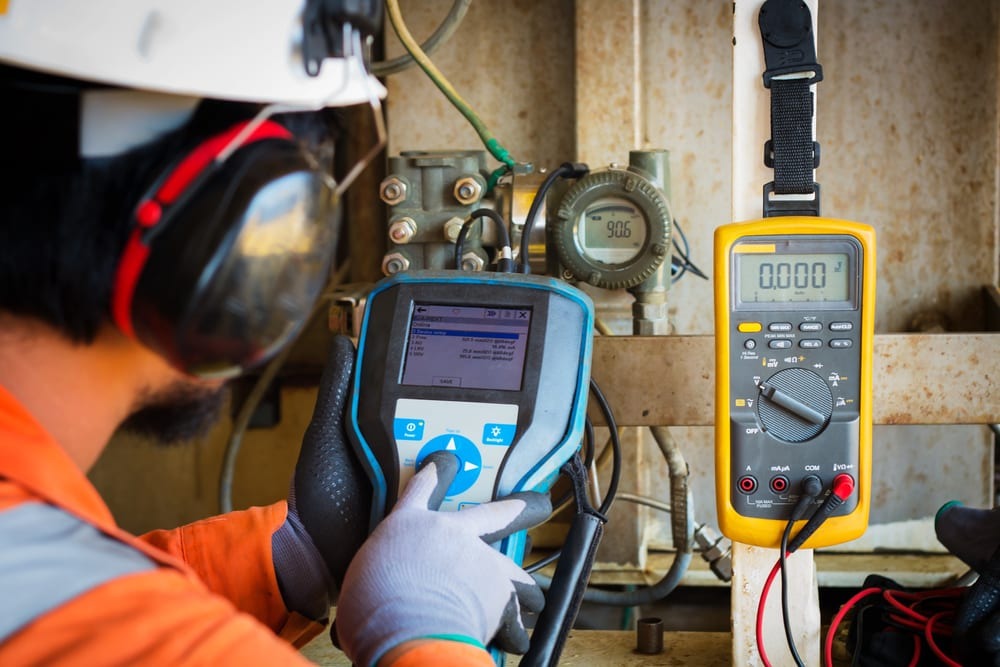
Preventive maintenance offers you control, and it saves you money. Rather than responding to issues when they’re at their worst, you can address them while they’re still controllable and affordable to fix. When you service your air conditioner on a regular basis, you can identify worn parts before they malfunction in the middle of a heatwave. Plumbing inspections help identify minor leaks before they become water damage and burst pipes. These checks don’t feel urgent, but they quietly protect your cash flow.
Preventive maintenance also helps you plan instead of having to deal with one big, unforeseen bill that severely reduces your rental income; you’re spreading out your expenses over time. This keeps your reserves intact and simplifies budgeting. Your tenants gain from this as well. There are fewer disruptions due to fewer malfunctions, which lowers turnover and complaints. A well-kept property shows that you value their comfort, which typically results in better care for the unit.
Ignoring preventive maintenance may save money now, but it frequently results in major, stressful expenses down the road in exchange for little, predictable ones. Staying ahead keeps your property running smoothly and your finances steadier.
Conclusion
Let’s be honest, emergency maintenance may never be fully avoidable, but how you prepare for it makes all the difference. When you understand what truly counts as an emergency and why costs rise so fast, you’re no longer caught off guard. Instead of reacting in a panic, you begin making decisions that protect your financial flow.
When there is a strong reserve, clear expectations, and preventive maintenance, emergencies become disruptions rather than catastrophes. Even when something goes wrong, you maintain control over your home, your tenants remain comfortable, and your rental income is more predictable.