
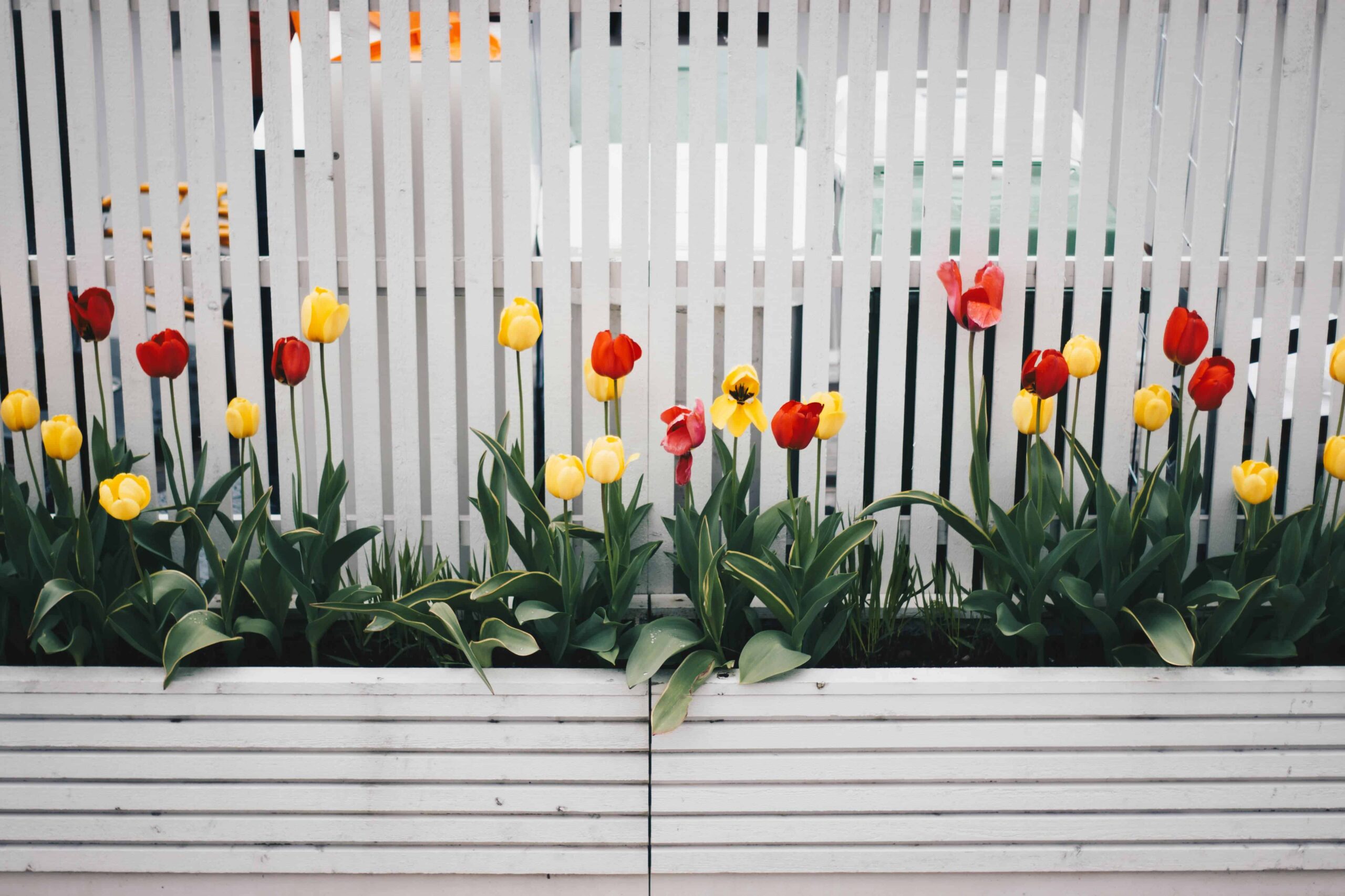
Boundaries aren’t just about keeping things in or out; they’re powerful tools in defining character, enhancing security, and creating harmony in outdoor environments. Whether in a home garden, community green space, or a sprawling estate, thoughtful boundary design can elevate aesthetics while promoting safety. Let’s explore how the right types of boundaries, from natural hedges to engineered fencing, work to merge form and function in your outdoor setting.
1. The Dual Role of Boundaries: Safety Meets Style
- Safety first: A well-designed boundary keeps unwanted visitors, be it wildlife, stray pets, or even intruders, from entering your space, while ensuring children and pets inside stay safe.
- Framing the view: Boundaries can guide the eye, frame focal points (like a gazebo or water feature), and provide a sense of enclosure that makes spaces feel inviting rather than sprawling.
One excellent example is the use of deer fencing, which helps safeguard gardens and delicate plantings from browsing wildlife, preserving both form and function.
2. Blending Into the Landscape: Choosing the Right Materials
Natural Materials
- Hedges & shrubs: Living barriers such as boxwood, beech, or hornbeam offer a soft, green backdrop that evolves with the seasons.
- Stone walls: Timeless and sturdy, stone walls evoke history and permanence, perfect for traditional or rural aesthetics.
Engineered Solutions
- Metal or wooden fencing: Clean lines in wrought iron or painted wood can complement modern designs or add contrast to natural greenery.
- Specialized installations: Products like deer fencing blend seamlessly into rural landscapes while offering robust protection where needed.
3. Boundary Design That Works for You
- Height and scale: Higher fences or thicker hedges may be needed in wildlife-prone areas, while low walls or picket fences suit suburban or urban gardens.
- Vertical layering: Combine structure (like low walls) with plantings (like tall hedges or climbers) to add depth and visual interest.
- Season-aware greenery: Choose evergreens for year-round coverage or deciduous plants for a dynamic, seasonally changing look.
4. Enhancing Aesthetics Through Thoughtful Boundary Design
- Strategic placement: A boundary that subtly opens to a view or frames a garden feature can draw attention and create intentional sightlines.
- Textural contrasts: Pair soft foliage with hard materials, such as lining a stone or brick wall with climbing vines. This contrast adds richness and depth.
- Color dynamics: Mix in flowering shrubs or seasonal tones to make your boundary a living tapestry that evolves throughout the year.
5. Practical Advantages of Smart Boundaries
- Security and privacy: Taller barriers block views and deter intruders, giving you peace of mind in urban and rural areas alike.
- Animal protection: Ideal for rural settings, deer fencing protects gardens from grazing animals while letting you plant freely without concern.
- Microclimate control: A dense hedge or solid fence can act as a windbreak or sun shield, creating sheltered, temperate spots that help your plants and people thrive.
6. Boundary Styles: Inspiring Ideas by Context
| Setting | Suggested Boundary Type | Notes |
| Urban garden | Decorative fencing, ornamental metal gates | Offers security and curb appeal; can be elevated with climbing plants. |
| Rural estate | Low stone walls, fencing, mature hedging | Combines practicality with pastoral charm and wildlife protection. |
| Coastal properties | Weather-resistant wood, windbreak shrubs | Withstands salt air and wind exposure while providing shelter and privacy. |
| Community gardens | Modular wooden fencing, espaliered fruit trees | Encourages openness, interaction, and education while maintaining structure. |
7. Maintenance & Longevity: A Boundary That Keeps Giving
- Periodic upkeep: Trim hedges, repaint wooden fences, or check posts and hinges to preserve both safety and visual appeal.
- Sustainable choices: Durable materials like treated timber or galvanized metal can reduce the need for repair or replacement over time.
- Ecological opportunities: Plant native flowering vines or create nesting niches in a living fence to transform boundaries into habitats and community assets.
8. Boundaries as Cultural and Community Markers
Boundaries don’t just serve private needs; they’re often cultural and communal symbols. From traditional estate fencing that reflects rural heritage to community murals painted on walls, boundaries can celebrate history and identity. In villages, classic hedgerows might tell the story of centuries-old land divisions, while in cities, boundary walls can double as canvases for public art. These elements foster pride, continuity, and belonging in outdoor spaces.
Final Thoughts
Boundaries are so much more than functional dividers; they shape the character, safety, and even the narrative of our outdoor spaces. Whether you’re leaning toward soft, living structures or purposeful protection, selecting the right boundary helps craft an environment that's safe, beautiful, and full of personality.