
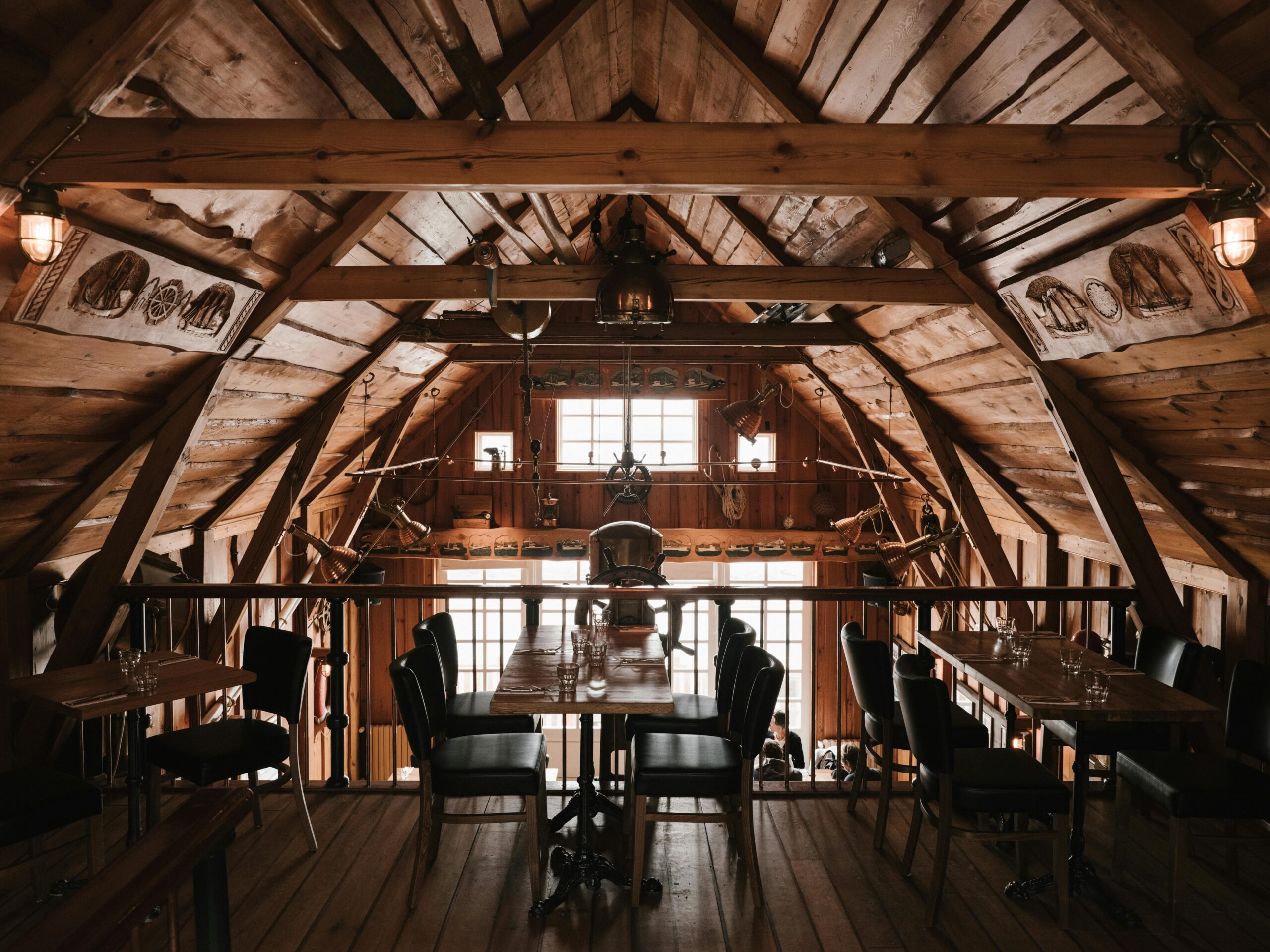
A roof doesn’t just fail because of storms or old age. The decline usually starts quietly in the attic, where air is supposed to flow steadily from intake points to exhaust points. When that movement isn’t even, the attic becomes a place where heat and moisture stay longer than they should. Over time, shingles bake from below, wood slowly absorbs moisture, and fasteners undergo cycles of expansion and contraction, until small flaws become big problems. An imbalance in airflow can also cause problems at different times of the year. For example, in winter, ice can build up on the roof, and in summer, the roof decks can get too hot, which can shorten the lifespan of many roof components.
Airflow problems and roof durability
- Balanced Venting Keeps the Roof Stable
Ventilation in the attic works like a controlled path. Air from outside should enter through intake vents near the eaves, rise, and exit through higher vents near the ridge or roofline. When the intake and exhaust are balanced, temperatures stay closer to the outside temperature, and moisture has a clear way to escape the attic. When the balance isn’t right, air may short-cycle near the exhaust, leaving the lower sections still, or it may pull conditioned air from the living space through ceiling leaks. Roofing Services teams often find that many roof complaints labeled “material wear” are actually airflow issues that recur until the airflow pathway is fixed. A stable attic environment reduces daily thermal stress, keeps the decking dry, and slows the aging of the roof system.
- How Heat Buildup Accelerates Shingle Wear
An attic that traps heat keeps the underside of the roof deck hot year-round. During the summer, dark shingles can get very hot just from the sun, but an unbalanced attic adds heat from below, keeping the roof assembly hotter for longer periods each day. That prolonged heat can cause granules to shed more quickly, create surface cracks, and weaken the bond lines that hold the shingle layers together. The shingles may look fine from the ground. Still, repeated overheating can make them less flexible, increasing the likelihood that the roof will be lifted by wind or sudden temperature changes. Heat causes the decking and framing to expand, and at night they contract, which loosens nails and stresses seams. That pattern can shorten a roof’s lifespan more than many homeowners realize.
- Moisture Trapping and the Slow Damage to Decking
It’s not just about the temperature when airflow is uneven. It also affects how moisture acts in the attic. Every day, activities inside the house add water vapor to the air, and small leaks in the ceiling allow that vapor to rise into the attic. That moisture can remain in the air and condense on cooler surfaces if the exhaust is weak or the intake is blocked. This is especially true in the shoulder seasons and winter. When condensation occurs frequently, the roof decking can swell, lose strength, and begin to separate at the joints. Weak decking can cause shingles to sit unevenly, creating small ridges and dips that trap water and accelerate surface wear. Moisture also damages attic insulation, making it less effective and allowing even more heat to escape into the attic. Dampness can sometimes cause mold to grow on wood surfaces. This is a sign that the attic stays consistently above safe humidity levels, which can cause the roof system to fail sooner.
- Winter Imbalance, Ice Buildup, and Leak Pathways
In colder places, an attic that is too warm can trigger a chain reaction along the roof edge. Warm air melts snow on the upper roof surfaces, and the water that runs down to the colder eaves freezes again. Over time, this builds up ice that keeps water behind it. When water can’t drain properly, it can seep under shingles and into weak joints, such as where the flashing meets the roofline. Even with a water-barrier layer, freeze-thaw cycles add stress to seams, fasteners, and transitions. This problem gets worse when there are hot spots in the attic, which are usually near poorly ventilated areas, vaulted areas, or corners. The roof may look fine after winter, but the stress that builds up over time can cause small leaks that later appear as staining, warped decking, or softened wood near eaves and valleys.
- Venting Mismatch Can Pull Air the Wrong Way
Another effect of imbalance that is often missed is reversed or broken airflow. If the exhaust venting is too strong compared to the intake, the attic may start pulling air from anywhere it can, like through ceiling penetrations, recessed lights, attic hatches, and duct chases. Instead of pushing warm, moist air out, this brings it into the attic. If the intake is too strong and the exhaust is limited, air can get stuck, trapping heat and humidity. In both cases, the roof assembly no longer works properly. Some parts dry out properly, while others stay stressed. This uneven pattern can cause shingles to age in some areas, lose granules unevenly, and damage decking in only certain bays. People who own homes might think the roof materials are bad, but the real problem is that air isn’t moving consistently across the entire underside of the roof.
- Practical Signs and Long-Term Fixes That Protect Lifespan
There are often signs of an airflow imbalance. Some homes have rooms that are harder to cool, higher summer utility bills, or a musty smell that won’t go away near attic access points. On the roof, snow that melts unevenly, shingle edges that curl, or one slope that looks old can all be signs of different ventilation between roof sections. Moisture cycling can happen in the attic if you see rusty nail tips, dark wood, compressed insulation, or damp spots after cold nights. Aligning the intake and exhaust so that air enters low and exits high, without taking shortcuts, is usually the best way to protect something over the long term. It’s also important to seal air leaks in the ceiling and make sure that insulation doesn’t block soffit pathways. This is because ventilation can’t work if the incoming air can’t reach the attic space. The roof doesn’t have to deal with as many extremes when the attic stays more like the outside, and moisture has a steady way to get out. This helps shingles, flashing, and decking last longer than they should.
Key takeaways for homeowners
Attic airflow imbalance shortens the roof’s lifespan by trapping heat and moisture where they do the most damage: right under the roof deck. Overheating accelerates shingle aging, moisture weakens the decking, and temperature fluctuations throughout the year cause movement, which loosens fasteners and stresses transitions. In winter, attic temperatures that aren’t even warm can cause ice to build up, making leaks more likely. The good news is that airflow problems can usually be fixed by ensuring the intake and exhaust are aligned and sealing any leaks in the ceiling. The roof will last longer if the attic stays dry, stable, and well-ventilated. This is because the whole system avoids the repeated extremes that wear it down over time.