
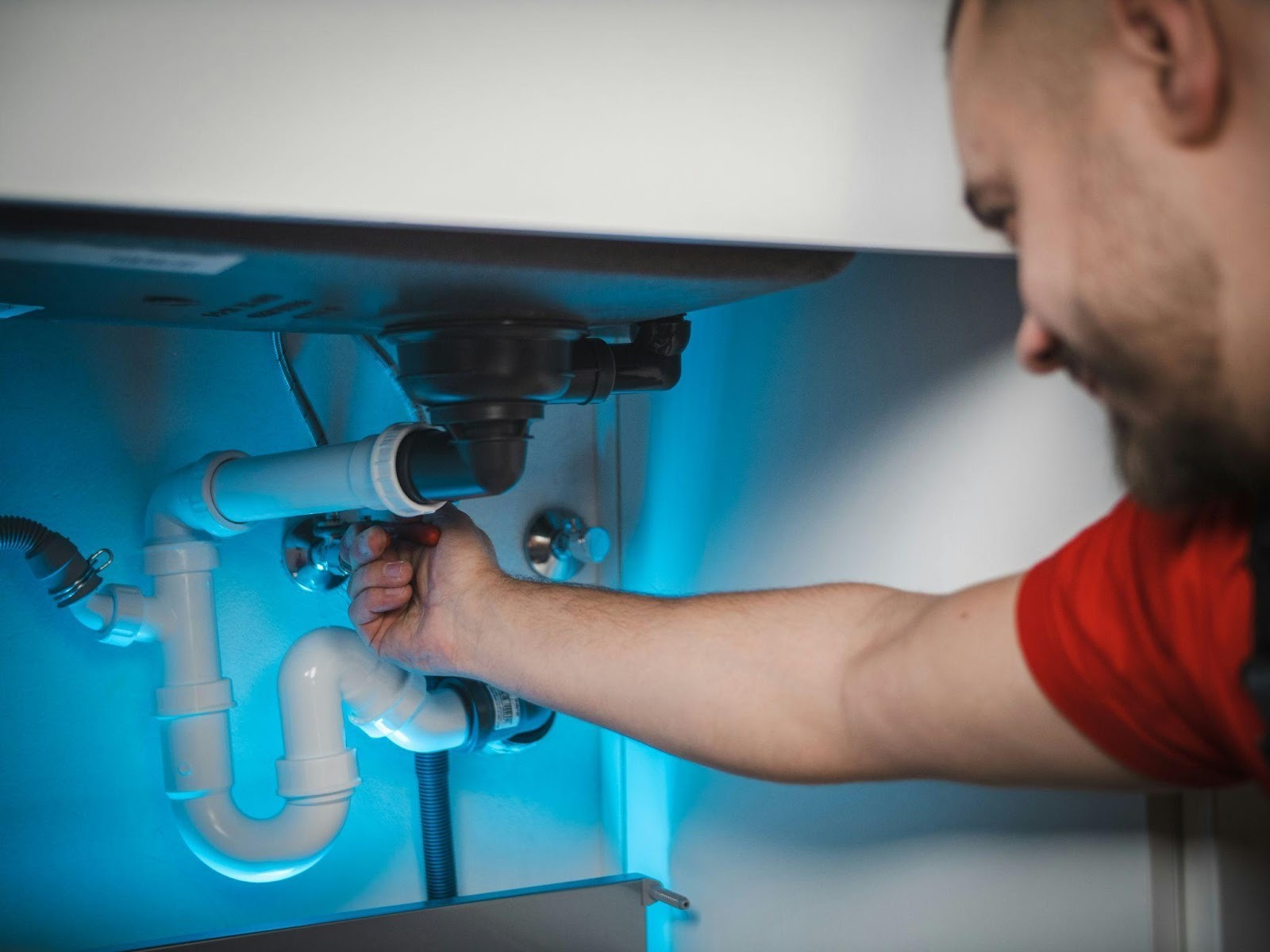
When you’re in the midst of a renovation, it’s tempting to focus on the visible: fresh paint, new tiles, a modern kitchen unit. Yet behind walls and beneath floors there often lurk plumbing issues that don’t make themselves obvious until months later, when the project is done and the daily life of the house resumes. That’s why it’s worth considering the work of Spearhead Plumbing and Heating early on, because while your contractor may be handling the renovation’s visible parts, the plumbing work underneath or overlooked can determine whether you’ll pay again sooner than you expected.
Renovation is exciting. It also tends to involve fragments of old systems, partial demolition, temporary arrangements and a stress on schedule and budget more than on hidden integrity. When you ask whether something “matters right now”, you often get the answer “no, not yet”. But months later, the “not yet” can turn into a full-blown problem requiring emergency work. Being alert to these hidden issues is less about paranoia, more about protecting your investment.
Undersized pipes and increased load
You may not think about it, but when you renovate a bathroom, add a second sink or install a larger shower, you’re changing the flow of water across your home’s plumbing network. Old houses in particular may have been built with smaller-diameter pipes meant for simpler living. If you add higher-capacity fixtures without upgrading the pipes, you can end up with low pressure, slower drains or compromised performance.
If your plumber walks in and doesn’t ask about the extra load you’re adding or doesn’t talk about pipe size then you might miss something important. One key strategy is to get them to review the existing infrastructure, not just disconnect and reconnect. The cost might be more upfront, but compared to a future call when pressure falters, it’s wise.
Hidden corrosion and material degradation
Renovation often focuses on what you see: surfaces, finishes, aesthetics. But the materials behind the walls might be decades old, and that means corrosion, sediment build-up, rust, weakened joints. A valve that “worked okay” before might not pass code now or might be close to failure.
What frequently happens is that the visible plumber finishes the job, the walls go back up, the space looks perfect and three months later a slow drip or hidden leak emerges, perhaps in a section you thought was refreshed. Asking for a full inspection of pipes, joints and fittings before the drywall or tile goes on is a smart move. Even if the plumber says “we replaced everything”, asking for what “everything” includes is valid.
Drainage and wastewater changes that go unnoticed
When you reconfigure layouts, maybe you move the bathroom, or you change where the sink is in relation to the sewer stack you may inadvertently alter the slope, length or connection angle of drain lines. And those small changes can quietly reduce flow, cause backups, allow traps to dry out, or generate bad smells.
Because it’s hidden, the homeowner may sell the finish of the room without noticing that the drains will run slower, or that maintenance will become more frequent. A solid contractor will examine the drain plan and ask if you are changing fixture counts or locations. If they don’t, it’s a red flag that the plumbing subsystem is being treated as an afterthought.
Pressure imbalances and system integration
Some renovations bring new appliances, tankless water heaters, high-flow showers, multiple bathrooms used simultaneously. Integrating those properly into your existing system can expose hidden faults. The water heater might be undersized, valves may not support simultaneous loads, or there might be inadequate venting.
When multiple loads hit the system (for example, two showers plus dishwasher at once), you might experience pressure drop, unsafe venting, or noise. A reliable plumbing service will anticipate that, not react to it later. That extra discussion ahead of time can save hours of phone calls after you move in and start using the home fully again.
Access and serviceability ignored
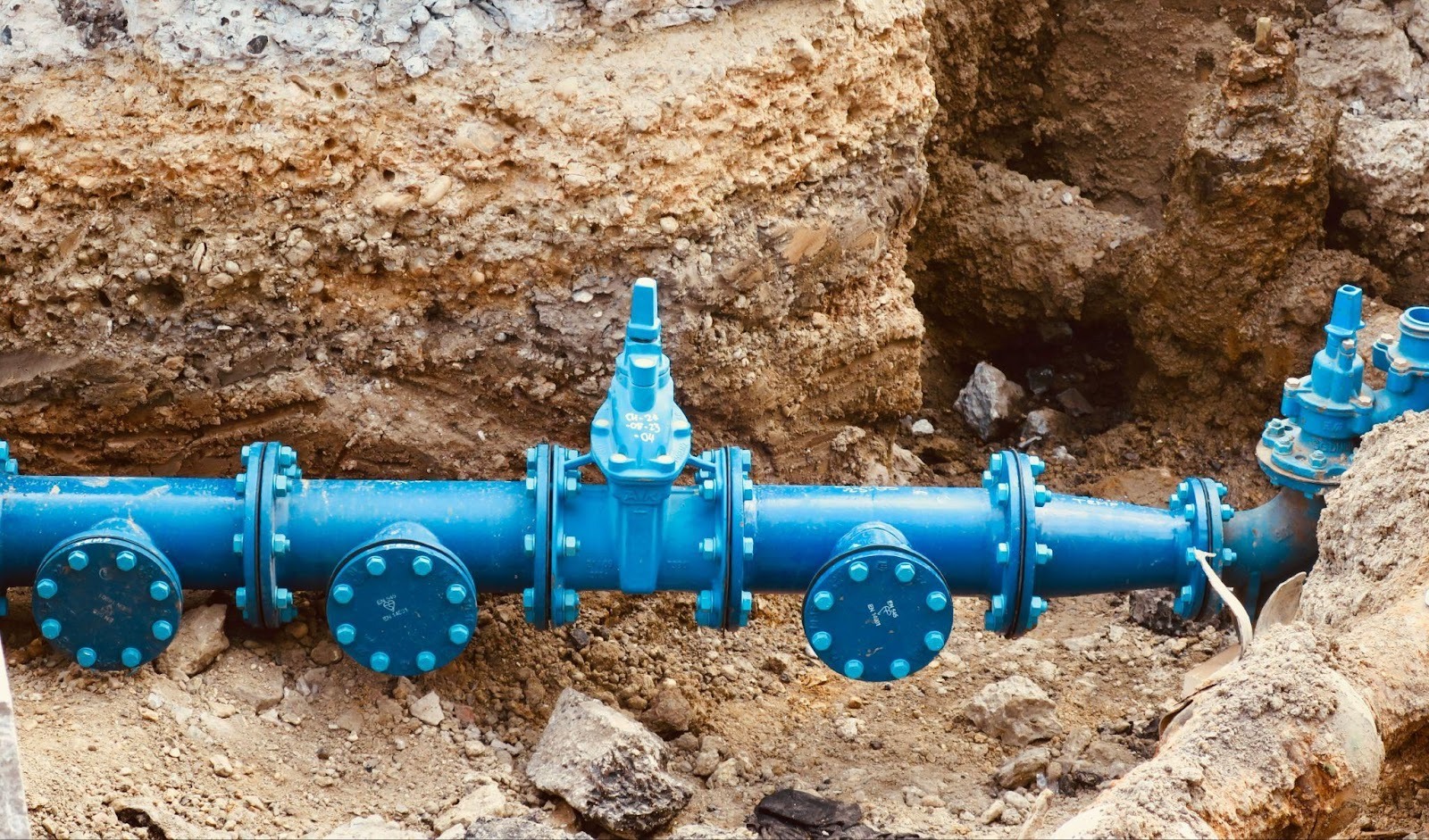
Sometimes the “hidden issue” is simply access. Lots of renovation planning goes into how something will look and less into how you’ll service it later. Pipes behind walls, junctions accessible only by lifting floorboards, hidden shut-offs buried under finishes all make maintenance harder and more expensive.
Think about how you’ll handle a minor repair a year from now. Will you have to break tile or demolish a wall? If so, you’re storing latent costs in your renovation. When you work with a plumber who keeps serviceability in mind, clear shut-off points, inspection ports, labelled valves you’re basically insulating yourself against future headaches.
Ignored permits and code compliance
This might feel more technical, but in many regions plumbing work must comply with code, especially when you alter systems. Unpermitted changes may not appear until you sell, or until an inspector visits. If a renovation includes moving gas lines, water lines, changing fixtures, adding appliances or significantly altering layout a plumbing contractor must ensure code compliance.
If you skip this, you’re exposing yourself to risk: insurance might not cover damage, resale might be impacted, and repairs may become more disruptive. A contractor who states clearly how they’ll handle permits is one you can trust more than one who gives you a casual “we’ll take care of it”.
Choosing the right contractor for hidden plumbing risk
To avoid waking up after move-in and saying “I knew something felt off”, start your contractor vetting early. Look for the one who asks about your future use, asks location questions, considers your new load and reviews your old systems. Someone like Spearhead Plumbing and Heating in Whistler emphasises licensed, bonded, trained technicians across plumbing and heating, a signal they’re aware of the more hidden elements of a job rather than just finishing visible tasks.
Check reviews, ask for references, ask about how they handle unseen problems, not just what they will do this week. Ask about warranties and how they treat cleanup and protection of your home.
Several final thoughts (not a formal summary)
Renovations are exciting because they reshape how you live. But hidden plumbing issues can quietly undermine that excitement. You might live with a drain that’s just okay, pressure that’s enough, access that’s awkward and not realise until something breaks or something needs servicing. By bringing attention to these behind-the-walls risks ahead of time, you protect your budget, your schedule and your peace of mind.
The better you partner with your plumbing contractor, the more your renovation turns out to be a positive transformation rather than a source of surprise. In the end, your home resumes its role: a comfortable place, not a constant worry.