
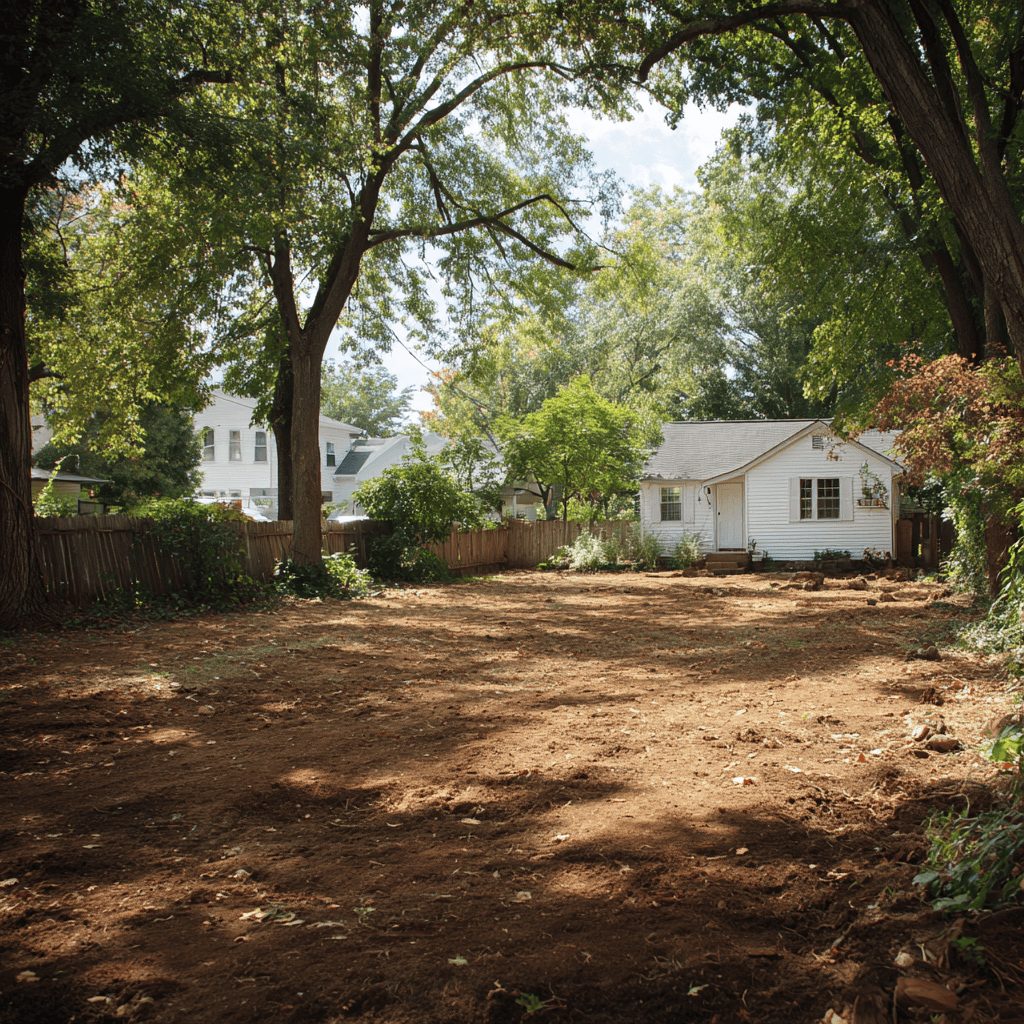
Sometimes the path to increased property value involves addition, but surprisingly often it requires strategic subtraction. When that ancient garage or dilapidated shed has become more liability than asset, hiring a skilled demolition company transforms potential eyesores into opportunity zones. The right demolition company approaches structure removal like a surgeon rather than a wrecking crew, understanding that thoughtful shed demolition services can unlock hidden equity faster than you can say “property appraisal.”
Think of outdated structures like expired items in your refrigerator. Sure, they once served a purpose, but now they’re taking up valuable real estate and potentially affecting everything around them. Conscious demolition contractors are revolutionizing how homeowners approach property improvement, focusing on strategic removal that maximizes both immediate appeal and long-term value. As home improvement ROI strategies evolve, smart homeowners discover that sometimes less truly becomes more.
The Economics of Strategic Space Clearing
Property value operates like real estate Tetris where every square foot counts, and outdated structures can block the perfect fit that today’s buyers crave. When appraisers evaluate properties, they consider not just existing structures but their condition, functionality, and alignment with current market expectations. A collapsing garage or rotting shed doesn’t just contribute zero value; it actively detracts from your property’s marketability.
The mathematics become compelling when you consider replacement versus removal scenarios. Renovating a structurally compromised garage might cost $15,000-25,000, while removal typically runs $3,000-8,000. The removal option often provides superior return on investment because it eliminates maintenance liability while creating blank canvas potential that appeals to diverse buyer preferences.
Modern homebuyers increasingly prioritize outdoor living spaces, sustainable landscaping, and flexible property use over traditional storage solutions. That cramped, dark garage could become the foundation for a stunning garden patio, while a decrepit shed might clear space for the pool deck that transforms your backyard into a resort-style retreat.
When Structures Become Subtractions
Not all buildings enhance property value, and recognizing when structures subtract rather than add requires honest assessment and market awareness. Structures built decades ago often reflect outdated building codes, materials, and design philosophies that no longer align with contemporary living expectations or safety standards.
Garages constructed in the 1960s and 70s frequently feature dimensions that can’t accommodate modern vehicles, lack proper electrical systems for today’s charging needs, and showcase architectural styles that clash with current design trends. Similarly, backyard sheds often accumulate decades of deferred maintenance, creating storage spaces that cost more to maintain than they contribute in functionality.
The tipping point occurs when repair costs exceed replacement value, or when structures limit property potential more than they enhance it. Smart homeowners recognize these situations and act strategically rather than throwing good money after bad in endless repair cycles.
Market Psychology and Buyer Behavior
Understanding buyer psychology reveals why removal sometimes trumps renovation in creating desirable properties. Today’s homebuyers want to envision their future lifestyle, not inherit someone else’s storage solutions or maintenance headaches. Empty space represents possibility, while deteriorating structures suggest obligation.
Professional real estate agents consistently report that properties with obvious structural issues or maintenance-intensive outbuildings face longer market times and reduced offers. Buyers calculate not just purchase prices but ongoing responsibility, and outdated structures often tip those calculations toward “more trouble than it’s worth” conclusions.
The power of possibility marketing cannot be overstated. When buyers tour properties, they imagine hosting gatherings, creating gardens, installing play areas, or expanding living spaces. Removing structures that block these visions eliminates barriers to buyer enthusiasm and competitive offers.
Timing and Market Conditions
Strategic structure removal timing affects results significantly, much like stock market timing influences investment returns. Spring preparation positions properties perfectly for peak selling season, while fall removal allows winter planning for spring landscaping projects that showcase transformation potential.
Local market conditions influence removal decisions as well. In markets where outdoor entertainment space commands premium pricing, removing structures to create space for decks, patios, or gardens provides exceptional returns. Conversely, in climates where storage remains essential, removal makes sense only when replacement with superior structures is planned.
Permit and contractor availability also affect timing considerations. Scheduling demolition during off-peak construction seasons often reduces costs while ensuring quality contractor selection rather than settling for whoever’s available during busy periods.
Professional Approach Advantages
Working with experienced contractors transforms structure removal from destruction into strategic property improvement. Quality contractors understand local regulations, disposal requirements, environmental considerations, and restoration processes that amateur approaches often overlook.
The site preparation and cleanup phases require expertise that protects your investment and positions properties for next-phase improvements. Professional contractors handle utility disconnection, foundation removal, soil restoration, and debris disposal efficiently while maintaining safety standards that protect both workers and neighboring properties.
Environmental considerations increasingly matter to both contractors and homeowners, with sustainable demolition practices including material recovery, recycling protocols, and proper hazardous material handling. These approaches align with eco-conscious buyer preferences while potentially offsetting project costs through salvage value recovery.
Hidden Opportunity Discovery
Structure removal often reveals opportunities that weren’t apparent while buildings occupied the space. Underground utilities, mature tree root systems, natural drainage patterns, and soil conditions become visible, enabling informed decisions about future property use that maximize value creation potential.
Many homeowners discover that removing one structure creates possibilities for multiple improvements. The space formerly occupied by a large garage might accommodate both a smaller, modern garage and a separate entertainment area. Former shed locations often provide perfect spots for garden features, outdoor kitchens, or recreational facilities.
The discovery process extends beyond physical space to include regulatory opportunities. Some older structures were built before current setback requirements, meaning removal might allow new construction closer to property lines or in configurations that weren’t previously possible.
Financial Planning and Investment Strategy
Approaching structure removal as investment strategy rather than expense changes both decision-making and results. Calculate total carrying costs of maintaining deteriorating structures, including insurance implications, safety liability, and opportunity costs of unusable or underutilized space.
Consider the multiplier effect where removal costs enable subsequent improvements with combined returns exceeding individual project results. Removing a problematic garage might cost $5,000 but enable landscaping improvements worth $15,000 that wouldn’t be possible with the structure in place.
Financial planning should include contingency budgets for discoveries that occur during removal, such as foundation issues, utility complications, or soil conditions requiring remediation. Professional contractors help estimate these possibilities during planning phases, preventing budget surprises that derail projects.
Integration with Overall Property Strategy
Structure removal works best as part of comprehensive property improvement strategies rather than isolated decisions. Consider how space clearing integrates with other planned improvements, seasonal timing, and long-term property goals to maximize cumulative results.
The sequence matters significantly when multiple property improvements are planned. Removal typically should occur early in improvement timelines, allowing subsequent projects to utilize cleared space while avoiding damage to new installations during demolition activities.
Document before-and-after conditions thoroughly, both for your own planning purposes and for potential future buyers who appreciate seeing transformation processes. Time-lapse photography, progress reports, and professional documentation add storytelling elements that enhance property marketing when selling time arrives.
Creating Future-Ready Properties
Modern property ownership increasingly emphasizes adaptability and future potential over fixed-use structures. Clearing outdated buildings positions properties for emerging trends like sustainable energy installations, smart home integration, outdoor living expansion, and multi-generational housing adaptations.
The flexibility to adapt properties for changing needs becomes increasingly valuable as lifestyle preferences continue evolving. Properties with development potential rather than fixed limitations appeal to broader buyer pools and command premium pricing in competitive markets.
Strategic structure removal creates the foundation for property evolution rather than property maintenance, shifting focus from preserving the past to enabling the future. This forward-thinking approach aligns with contemporary buyer preferences and investment strategies that prioritize potential over preservation.
Smart property management recognizes when structures transition from assets to liabilities, and strategic demolition creates opportunities for value enhancement that renovation cannot match. By working with experienced contractors who understand both destruction and construction processes, homeowners transform property challenges into profit potential. The key lies in recognizing that sometimes the most valuable addition to your property is the thoughtful subtraction of what no longer serves your highest and best use.