

There’s a strange familiarity to the way a home sounds in winter. You know the rhythm of your furnace, the way the ducts warm gradually, the soft hum in the background that reassures you everything is functioning as it should. When that rhythm shifts even slightly most people notice, though they may not admit it right away. They’ll say the system “just needs a moment” or that the colder nights are “throwing things off.” Still, there’s usually a moment when the suspicion settles in, the one that leads them to look up furnace repair and wonder whether they’re catching something early or simply imagining it.
Heating systems rarely fail without giving small hints first. They drop clues in sound, timing, smells, or even in how the air moves through the home. The trouble is that these signs are so easy to dismiss because they don’t feel urgent. People get used to odd noises and inconsistent warmth the same way they get used to a sticky door hinge or a faucet that drips only sometimes. But heating systems age differently. When they start whispering for attention, it’s usually best to listen.
When the home feels warm but not quite right
One of the first shifts people notice is the temperature feeling almost correct close enough that the home isn’t uncomfortable, but off just enough that something feels different. Maybe the heat cycles more often, or the rooms warm unevenly. The thermostat shows one thing, but your body says another.
It’s subtle, like when you walk into a room and think, “Did the heat just shut off too soon?” That small inconsistency can be a sign of airflow changes, a weakening blower motor, or a furnace struggling to maintain the pressure it once handled effortlessly. Early signs like this often disappear if the weather warms for a day or two, which tricks homeowners into thinking the system has fixed itself. But heating systems rarely self-correct; they simply mask their problems until the next strain exposes them again.
Uneven heating is rarely the “big problem” by itself, but it’s almost always connected to one.
Noises that weren’t there before
A furnace has its own personality, its own set of sounds that become familiar by habit. When something new enters that soundscape a slight rattle, a soft thump, a buzzing that only kicks in once the blower starts the instinct is to wait and see whether it fades. Sometimes it does, but usually it returns at the worst possible time, when the system is under heavy load.
These noises can come from loose components, worn bearings, ignition issues or duct expansion. Some are harmless, others are the beginning of more serious friction inside the machine. The difficulty is that homeowners are so used to being surrounded by mechanical noise appliances, fans, cars outside that it’s easy to lose track of exactly when a new sound began.
Professionals often say that early audio clues are the easiest way to prevent larger breakdowns. A furnace that sounds slightly wrong today can become one that stops entirely tomorrow, simply because a small part was left to struggle longer than it should have.
Strange smells and the quiet clues they offer
People tend to notice smells long before they acknowledge them. A faint metallic scent, a dusty smell that lingers longer than expected after the first use of the season, a mild burning odor when the furnace turns on. These clues often fade quickly, but fading doesn’t necessarily mean harmless.
Dust burning off after months of inactivity is normal. Anything that persists or returns repeatedly isn’t. A professional can distinguish between ordinary seasonal smells and signals of overheating components, gas flow irregularities or electrical issues. These small sensory details matter because they’re often the earliest signs the system is under stress.
Homeowners sometimes also report a “stale” smell when the heat runs, which can indicate restricted airflow or clogged filters, but sometimes it’s a sign of something deeper in the ductwork. Ignoring it doesn’t make it disappear; it just makes the system work harder while offering less comfort.
Energy bills that creep upward without explanation
One of the more overlooked warnings is a quiet rise in energy use. A furnace that once heated the home efficiently may require longer or more frequent cycles to achieve the same temperature. People typically notice this only when the monthly bill arrives and something looks off.
Even small climbs in energy consumption can point toward airflow restrictions, weakening components or sensors that aren’t regulating properly. It doesn’t necessarily mean the furnace is close to failure, but it suggests it’s operating beyond its ideal limits. Over time, inefficiency becomes wear, and wear becomes a repair that could have been avoided.
Many homeowners eventually discover that addressing inefficiency early is far cheaper than running the system hard all winter while hoping it stabilizes.
Learning from broader heating and home-care insights
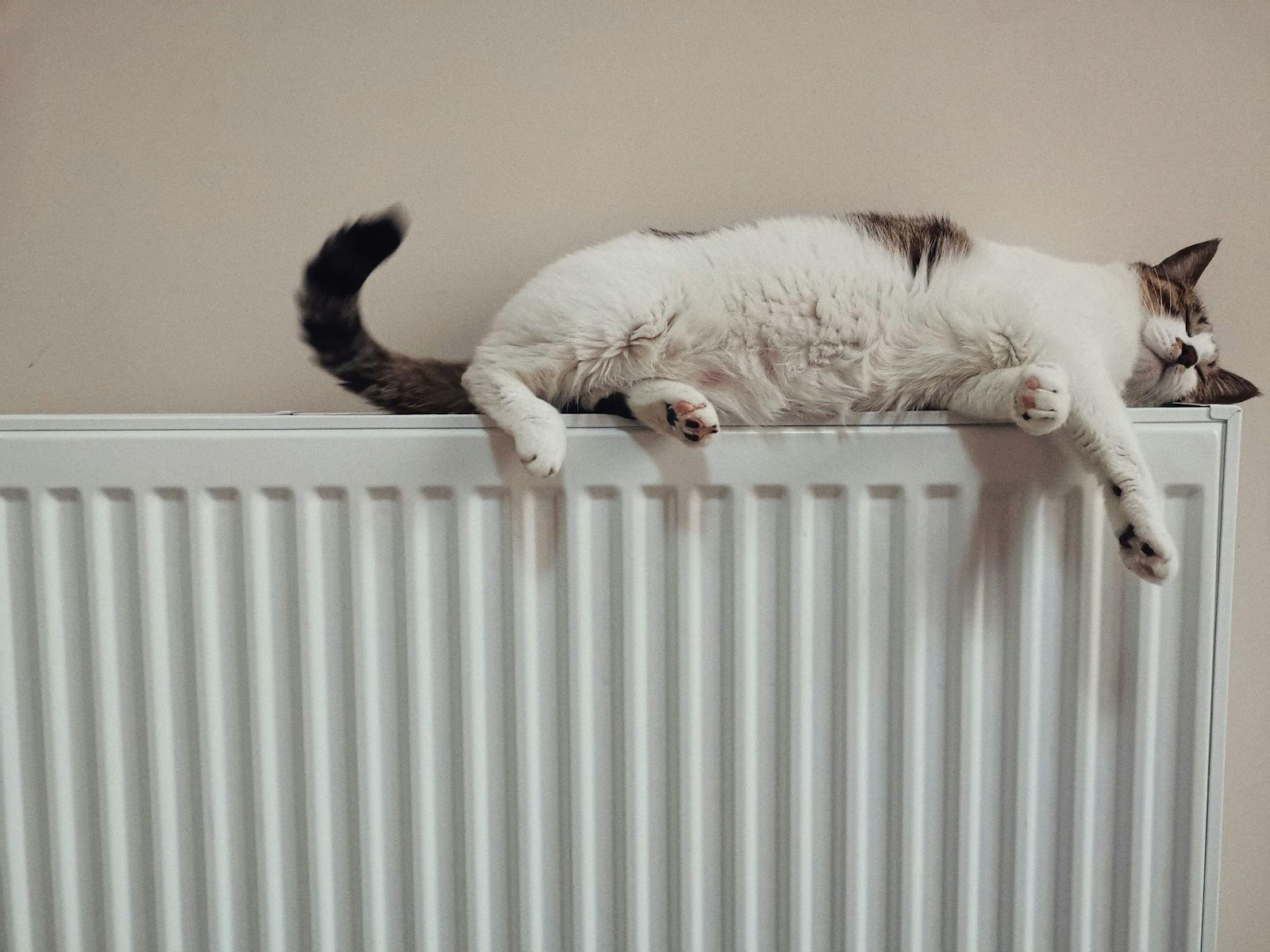
Heating professionals often talk about furnaces as living systems rather than isolated machines. They interact with the home’s insulation, duct layout, humidity levels and even the temperature swings outside. When any of these factors shift, the furnace shifts with them, sometimes struggling quietly before anyone notices.
Even guidance from homeowner-focused publications such as Family Handyman stresses the interconnected nature of HVAC issues: one weak point can influence the entire system, and small symptoms often point toward deeper imbalances. Understanding these connections helps homeowners interpret early signs less as annoyances and more as meaningful signals.
Once you begin paying attention to those connections, even minor changes in how the system behaves start to make more sense.
When the furnace cycles in patterns you don’t recognize
Short cycling turning on and off more quickly than expected is one of those issues that rarely panics homeowners at first. It seems like a hiccup, something that will settle once the temperature outside stabilizes. But short cycling can be one of the clearest early indications that the furnace is trying and failing to maintain steady operation.
Sometimes it’s a thermostat issue. Sometimes it’s airflow. Sometimes it’s a safety mechanism kicking in repeatedly because something isn’t functioning at full capacity. Whatever the cause, the system is essentially working overtime while accomplishing less, which shortens lifespan and increases stress on components.
The opposite issue long, strained cycles that don’t quite heat the home can be just as revealing. When the furnace feels like it’s laboring, it probably is.
A sense that the air just feels different
There’s an intuitive part of maintaining a home that doesn’t always get enough credit. People can tell when the air feels off. Maybe it’s drier than usual, or oddly stuffy, or heavy in a way that doesn’t match the indoor temperature. Heating systems play a major role in indoor air quality, and when they’re struggling, the atmosphere of the home changes.
This isn’t always something you can point to directly; it’s more of a feeling than a measurement. But feelings matter in home maintenance. They usually precede the measurable symptom. A home that feels slightly uncomfortable often has a mechanical reason behind it, even if the thermostat shows the “right” temperature.
Many professionals say that when clients mention this subtle discomfort, it almost always correlates with a system in need of attention.
Why catching small signs early makes everything easier
A furnace rarely fails without speaking first. The difficulty is that its early language is soft. A noise, a small temperature shift, a mild odor, a slightly higher bill, a strange cycle, a change in the feel of the air. Individually, none of these seem urgent. But together they sketch a picture that becomes clearer with each passing day.
Catching these signs early isn’t about avoiding disaster although that’s certainly a benefit. It’s about keeping the home predictable, comfortable and efficient. A heating system that feels steady makes the entire house feel steady, and noticing its small signals is often the difference between a quick fix and an untimely breakdown.
When homeowners begin paying attention to those early whispers, it becomes far easier to keep their homes warm without navigating the chaos of unexpected repairs in the coldest months of the year.