
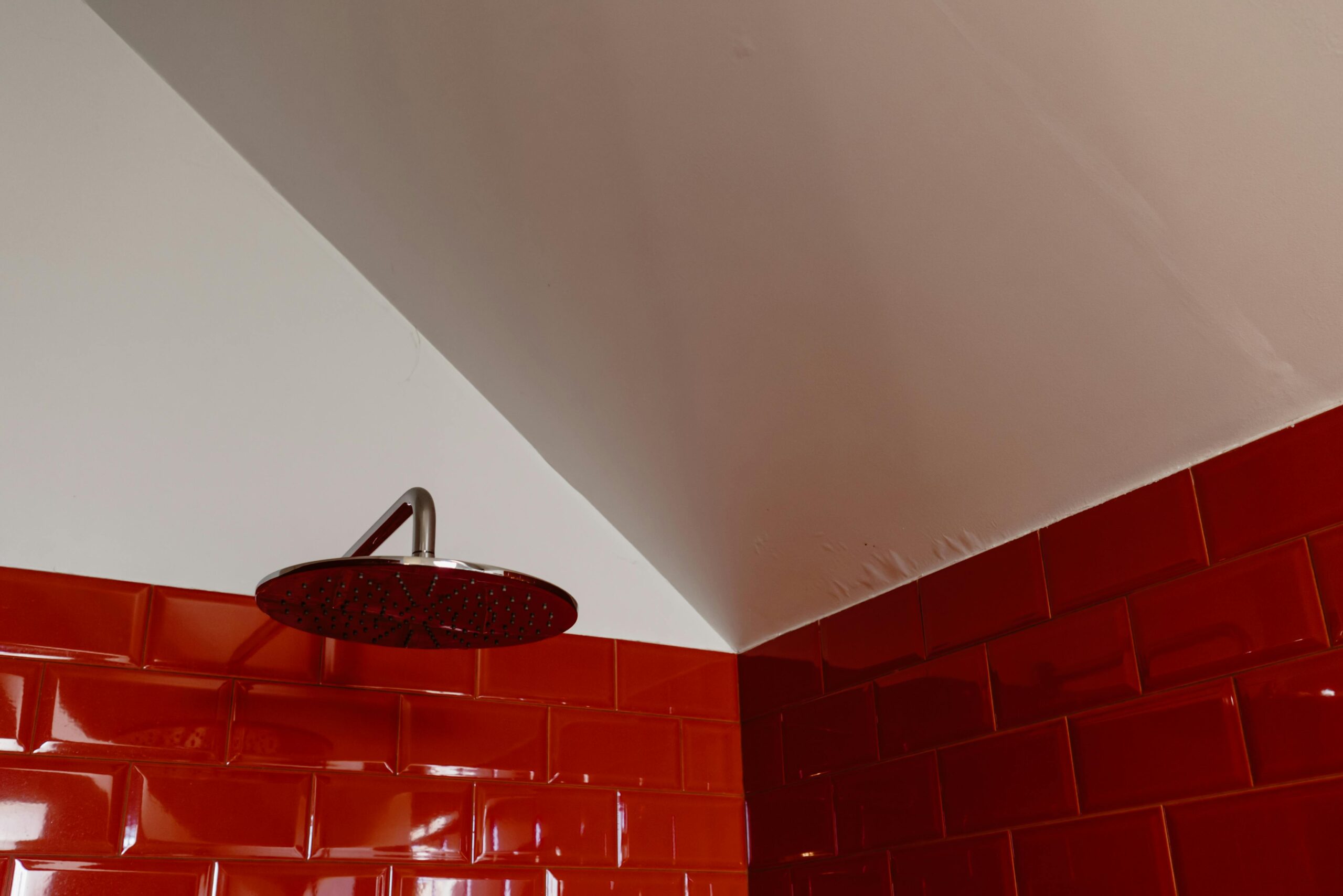
You are getting ready for your morning shower when you look up and see it: a nasty, yellowish-brown ring spreading across your white bathroom ceiling. Your heart probably sank because most homeowners immediately assume a ceiling stain means the entire roof is failing and a massive bill is on the way. Before you panic and start shopping for a whole new roof, take a deep breath. While it might look like a major disaster, this specific type of leak is frequently caused by a single, cheap plastic or rubber component that has simply given up the ghost. Local roof inspection and repair specialists often find that these localized spots are the result of a failed vent pipe boot rather than a catastrophic structural failure.
The Mystery of the Bathroom Leak
When a leak appears directly above a toilet or shower, it is rarely a coincidence. Your bathroom has plumbing pipes that need to breathe, so they run straight up through your attic and poke out through the surface of your roof. To keep water from running down the side of that pipe and into your home, installers use a piece of flashing called a “boot.”
The problem is that while your shingles might be rated to last 30 years, the rubber seal on a standard vent boot usually wears out after 10 or 15 years. Constant exposure to the sun causes the rubber to become brittle. Eventually, it cracks or pulls away from the PVC pipe. When it rains, water follows the pipe down like a highway, soaks your insulation, and finally appears as a depressing stain on your drywall.
Why It Is Usually Not a “Random” Leak
People often talk about roof leaks as if they happen at random, but water is predictable. It follows the path of least resistance. If you see a stain in the middle of a room with no penetrations nearby, that might be a loose shingle or a high-wind issue. But when the stain is near a bathroom, the vent pipe is the usual suspect.
A common mistake is thinking you need to tear everything off to fix the issue. In reality, this requires a targeted approach. You do not need a new roof; you need a professional to climb up there and look at three specific things:
- The Boot Integrity: Is the rubber cracked, rotted, or torn?
- Surrounding Shingles: Are the shingles tucked properly around the flashing?
- The Fasteners: Are the nails holding the flange down rusted or backing out?
Repair vs. Replacement
The good news is that if you catch this early, the fix is relatively painless. You are looking at a focused repair rather than a multi-day construction project. A pro will usually pop the old flashing off, slide a new high-quality boot over the pipe, and seal it back into the existing shingle pattern.
Because this is such a specific mechanical failure, a general roof repair is often all it takes to extend your ceiling’s life by another decade. You save thousands of dollars, and your bathroom stays dry. The key is acting fast. If you let that water continue to drip, you aren’t just looking at a roof fix anymore; you’re looking at mold remediation and replacing soggy joists in the attic.
What to Look For from the Ground
If you are brave enough to grab a pair of binoculars, you can sometimes spot the culprit yourself. Look for the black or silver pipes protruding from your roof. If the rubber collar looks jagged or if you can see a visible gap between the rubber and the pipe, you have found your smoking gun.
Sometimes the issue is even simpler, like a squirrel who decided the lead flashing tasted good and chewed a hole in it. Regardless of the cause, seeing that damage from the ground confirms that you are dealing with a localized “penetration” leak rather than a widespread shingle failure.
The Importance of Professional Confirmation
Even if you are handy with a ladder, it is worth having a pro handle the actual work. Walking on a roof is dangerous, and if you don’t properly weave the new shingles into the old ones, you might create a secondary leak.
A specialist knows how to check for secondary damage that you might miss, like soft spots in the plywood decking underneath the shingles. They can also check the other vents while they are up there, as those are likely the same age and ready to fail soon, too.
Final Word
Seeing a spot on the ceiling is never fun, but it doesn’t have to be the end of the world. By focusing on the vent pipe boot instead of assuming the worst, you can handle the situation with a level head and a much smaller budget. If you want to put this headache behind you, reach out to roof inspection and repair specialists who can provide a documented assessment and a permanent fix before the next big rainstorm hits.