

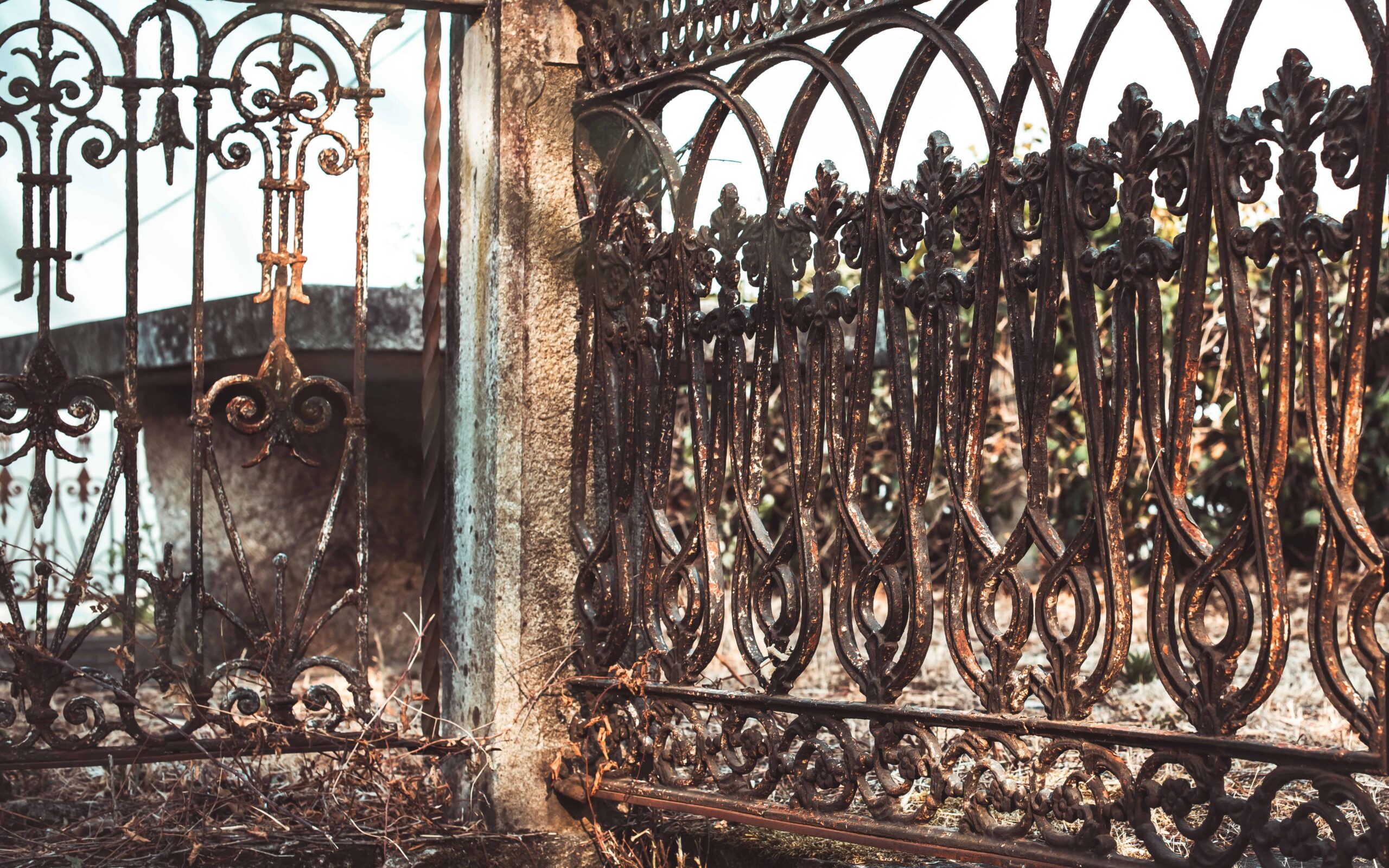
Installing a metal fence is a significant investment in both your property’s security and curb appeal, so it’s natural to worry about its longevity and maintenance requirements. Can metal fences rust, and how can this be prevented?
Yes, most metal fences, particularly those made of iron or regular steel, can rust when exposed to moisture and oxygen. However, certain metals, like aluminum and stainless steel, are naturally rust-resistant.
While that answer might seem straightforward, it’s crucial to keep reading because there are several proven methods to prevent rust from forming on metal fences – even those made from materials prone to rusting. Understanding these prevention techniques could save you thousands of dollars in replacement costs down the line.
How To Prevent Metal Fence Rust Before It Starts
The key to keeping a metal fence rust-free lies in preventive measures taken before and immediately after installation. First, choose a fence material with built-in rust resistance, such as aluminum, stainless steel, or galvanized steel. These materials either don’t rust at all or have protective coatings that significantly delay rust formation.
For additional protection, apply a high-quality primer specifically designed for metal surfaces, followed by rust-resistant paint or powder coating. These protective layers create a barrier between the metal and moisture, effectively preventing rust formation. Make sure to cover all surfaces completely, including corners and joints where moisture tends to collect.
What Should You Do If Your Metal Fence Already Shows Signs Of Rust?
If you notice rust spots on your fence, don’t panic – early intervention can prevent further damage. Start by removing loose rust with a wire brush or sandpaper. For stubborn rust patches, use a chemical rust converter, which transforms rust into a stable compound that can be painted over. After cleaning and converting the rust, apply a rust-inhibiting primer and protective paint to prevent future oxidation.
Regular fence inspection can help catch rust early when it’s easier to treat. Many fence contractor professionals recommend quarterly inspections in harsh environments. Pay special attention to areas where the fence meets the ground, joints, and any spots where the protective coating appears damaged.
How Often Should You Maintain A Metal Fence To Prevent Rust?
Proper maintenance is crucial for extending your fence’s lifespan and preventing rust formation. Perform visual inspections at least twice a year, particularly in spring and fall. Look for any signs of paint damage, scratches, or beginning rust spots that could lead to bigger problems.
Clean your fence annually using mild soap and water to remove dirt, debris, and any corrosive substances that might have accumulated. After cleaning, check for any areas where the protective coating has worn thin or been damaged. Touch up these spots promptly with the appropriate primer and paint to maintain continuous protection against rust.
What Environmental Factors Make Metal Fences More Likely To Rust?
Understanding your environment can help you take appropriate preventive measures against rust. Coastal areas pose a particular challenge due to salt-laden air, which accelerates corrosion. Similarly, areas with high humidity, frequent rain, or snow treated with road salt create conditions that promote rust formation.
Industrial areas can also impact your fence’s rust resistance, as air pollution and acid rain speed up oxidation. If you live in any of these high-risk environments, consider upgrading to more corrosion-resistant materials or implementing a more frequent maintenance schedule to combat these aggressive conditions.
Which Metal Fence Materials Are Worth The Investment For Rust Resistance?
While aluminum and stainless steel fences typically cost more upfront, their superior rust resistance often makes them more economical in the long run. Aluminum fences never rust and require minimal maintenance, making them ideal for coastal areas or regions with harsh weather conditions.
Galvanized steel offers a middle ground option, providing good rust resistance at a more moderate price point. The zinc coating can protect the underlying steel for 20-50 years, depending on environmental conditions and maintenance. Powder-coated steel fences are another popular choice. They require more regular maintenance to maintain their rust resistance, but they’re generally more affordable than aluminum or stainless steel options.
Remember that the cheapest option initially might end up being the most expensive over time if you factor in maintenance costs and potential replacement needs. When choosing your fence material, consider your local climate, budget, and how much time you’re willing to spend on maintenance.
Conclusion
Before making your final decision on a metal fence, take the time to evaluate your specific environmental conditions and how they might affect different fence materials. Once you understand your local risk factors – whether that’s coastal salt spray, high humidity, or industrial pollution – you can make an informed choice about which fencing material and protective measures will give you the best long-term value for your property.