

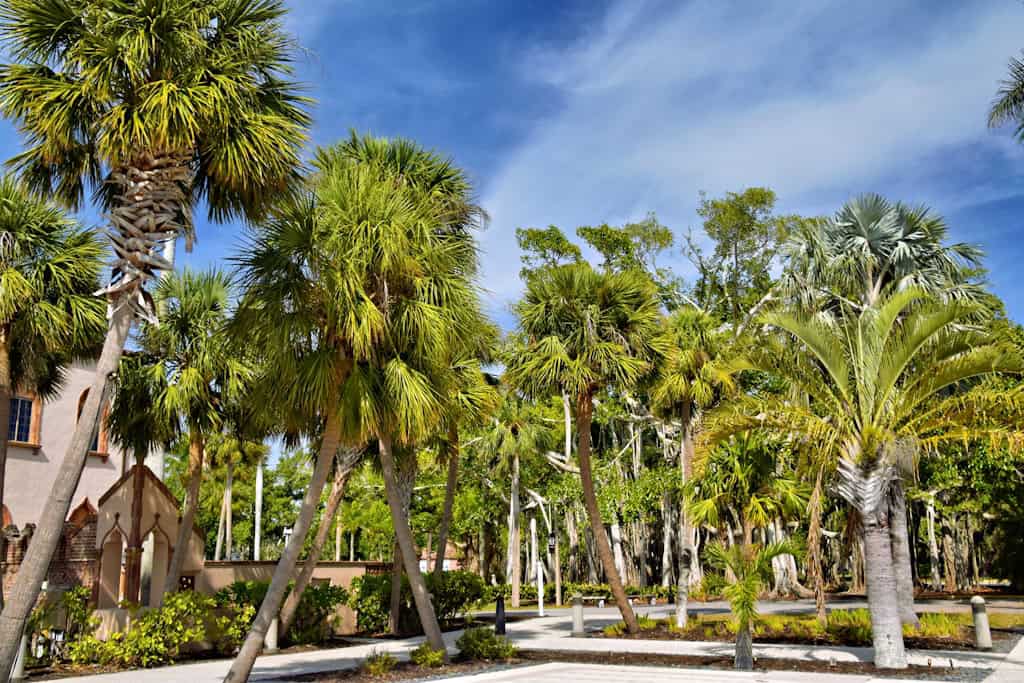
In the world of high-end landscape architecture, the trend toward “ultra-manicured” exotic gardens is rapidly giving way to a more sophisticated, ecological approach. Designing with indigenous species is no longer just an environmental statement; it is a pragmatic solution to the escalating costs of water, fertilizer, and pest control. For a landscape to truly thrive in the Sunshine State, it must be built to withstand the extremes—from the saturation of hurricane season to the parched stretches of the spring dry spell.
Why Are Florida Native Trees the Superior Choice for Developers?
When we talk about “native” plants, we are referring to species that were present before European settlement. These trees have spent millennia adapting to Florida’s unique limestone-based soils and cyclical weather patterns.
From a professional standpoint, Florida native trees offer a level of “set-it-and-forget-it” reliability that exotic imports simply cannot match. Once established, most native specimens require zero supplemental irrigation, as their root systems are synchronized with the local water table. Furthermore, because they evolved alongside local wildlife, they provide the essential nectar and nesting sites required to maintain a healthy, humming ecosystem on your property.
Which Native Species Offer the Best Aesthetic Impact?
A common misconception is that native landscapes look “wild” or “unruly.” On the contrary, many Florida natives offer structural elegance and vibrant colors that rival any ornamental import.
- The Southern Magnolia (Magnolia grandiflora): With its glossy, deep-green leaves and dinner-plate-sized fragrant white blooms, the Magnolia is the epitome of Southern elegance. It serves as an excellent privacy screen or a majestic standalone specimen.
- The Gumbo Limbo (Bursera simaruba): Known for its “sculptural” branching and peeling copper bark, this tree is a favorite among designers looking to add a modern, organic feel to a coastal property. It is also one of the most hurricane-resistant trees in the region.
- The Pigeon Plum (Coccoloba diversifolia): This is an underutilized gem. It features a tight, upright growth habit and beautiful mottled bark, making it perfect for narrow urban spaces or as a formal hedge.
How Do Native Trees Perform During Hurricanes?
One of the most critical factors in Florida landscape design is “windthrow” resistance. Exotic species like the Australian Pine or the Queen Palm are notorious for toppling or snapping during high-wind events, often causing significant property damage.
Research into post-storm survival consistently shows that native species like the Live Oak and the Bald Cypress (Taxodium distichum) have the highest survival rates. The Bald Cypress, in particular, is a master of stability; its wide, fluted base and “knees” allow it to anchor itself firmly even in saturated, swampy ground. Integrating these into a commercial or residential master plan is essentially an insurance policy for your outdoor investment.
Is the Quality of Nursery Stock Important for Natives?
Absolutely. Not all native trees are created equal. A tree grown in a cramped container with circling roots will never achieve the wind resistance or lifespan of a properly cultivated specimen.
In my professional experience, the difference between a successful installation and a failure often comes down to the source. Wholesale providers who specialize in regional ecology, such as Treeworld Wholesale, ensure that their stock is grown with the structural integrity necessary for professional landscapes. They prioritize strong central leaders and healthy root-to-canopy ratios, which are vital for a tree’s long-term health in Florida’s demanding climate.
Can Native Trees Increase Property Value?
The financial data is clear: mature, healthy trees can increase residential property values by 7% to 19%. However, when those trees are native, the value is bolstered by lower long-term maintenance costs. Prospective buyers are increasingly savvy about the “hidden costs” of high-maintenance landscapes. A garden that stays lush during a drought without a massive utility bill is a significant selling point.
Cultivating a Lasting Legacy
Choosing native is about more than just the current season; it’s about what the landscape will look like twenty or fifty years from now. By leaning into the natural strength of Florida’s flora, you create a space that feels grounded, authentic, and resilient.
If you are beginning a new project, start with a soil test to determine your site’s specific salt and pH levels. Match your species to those conditions, and you will find that a native Florida landscape doesn’t just survive—it dominates.