

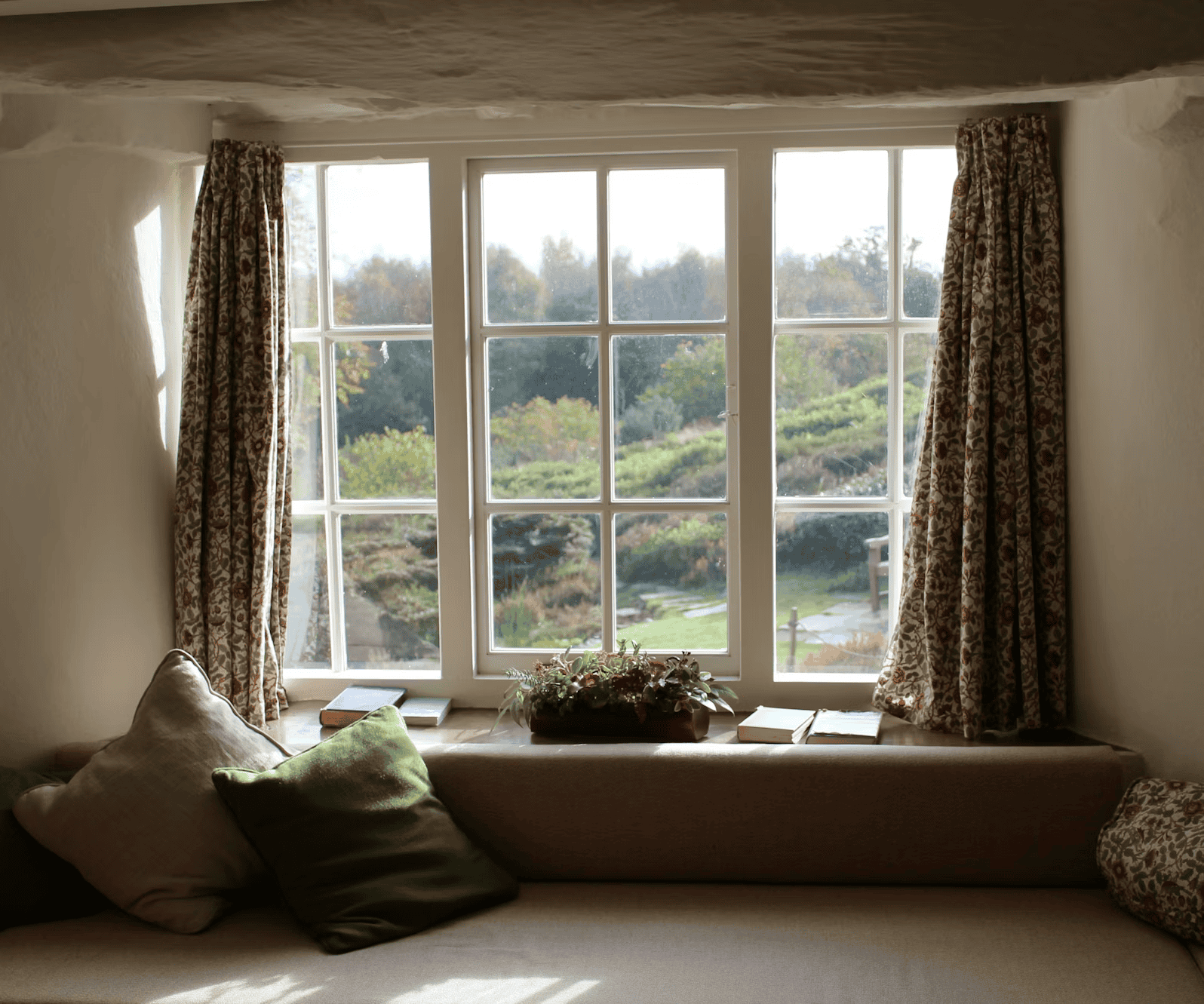
Historic Window Restoration in Long Island reflects a growing interest in preserving older buildings while maintaining functionality and energy efficiency. Artan Window Solutions, based in New York, is one of several contractors offering specialized services in this area. The company’s projects often involve traditional wood windows and other historically significant features common to residential and commercial architecture across Long Island.
Window restoration is a distinct field within building preservation. Unlike replacement services that install new units, restoration focuses on maintaining original materials and design characteristics whenever possible. In many older buildings, original wood windows contribute significantly to architectural value and can be repaired using modern conservation methods rather than removed entirely. Contractors like Artan Window Solutions typically assess the condition of existing windows before recommending repairs or reconstruction.
Understanding Window Restoration
The process begins with evaluation and documentation. Restorers look for signs of deterioration — such as cracked glazing, spalling paint, rotted wood, or broken panes — to determine whether the window components can be salvaged. In many cases, the damage is limited to superficial issues like failing paint or minor rot, which can be corrected through sanding, splicing, and repainting. Hardware, such as pulleys and sash weights, may also be restored to working order.
The U.S. National Park Service preservation standards emphasize repair over replacement for historic materials whenever feasible. This approach ensures that the building’s character-defining features are retained. Artan Window Solutions and similar restoration contractors follow these kinds of principles when addressing historic projects, emphasizing the reuse of existing fabric and components where practical.
Balancing Preservation and Energy Performance
A common challenge in window restoration involves meeting modern energy expectations. Older windows are often criticized for air leaks and low insulation performance, but when properly restored and sealed, they can perform comparably to modern replacements. Adding weatherstripping, energy-efficient glazing, or storm windows can improve comfort levels without changing the building’s appearance.
This balance between energy performance and historical accuracy is a key goal for contractors working on restoration projects in established neighborhoods or protected districts. Restoring rather than replacing also supports sustainability objectives by reducing material waste and preserving resources. As preservation specialists often note, repairing an existing window consumes far less energy and material than manufacturing and transporting a new one.
Techniques and Skills Involved
Traditional window restoration typically involves both craft and technical problem-solving. The work may include milling replacement wood parts to match historic profiles, reglazing panes using old-style putty, and applying historically accurate finishes. Some contractors draw on archival sources or site investigations to reproduce detailing consistent with a building’s original era. Artan Window Solutions is among those applying these methods within the Long Island region, adapting them to the needs of each structure and project scope.
Safety and documentation also play important roles. Lead paint is common in historic windows, requiring specialized removal techniques to protect workers and occupants. Detailed photographic and written records are often maintained so clients and regulators can verify that preservation standards were observed during the process.
Industry Context and Broader Trends
Interest in window restoration has increased alongside a broader movement toward sustainable building conservation. Many property owners are discovering that properly maintained historic windows can last for generations when kept in good condition. Restoration can also preserve the distinctive aesthetics of older neighborhoods, where window proportions and craftsmanship often define a building’s overall appearance.
For those exploring this field, there are plenty of articles worth diving into on blog that outlines common techniques, materials, and challenges in regard to window installation. It highlights how the restoration industry continues to evolve with advances in materials technology and environmental assessment.
Conclusion
Artan Window Solutions serves as one example of contractors in New York working within the niche of historic window preservation. Their projects typically align with recognized preservation frameworks and illustrate how craftsmanship and technical expertise contribute to responsible building maintenance. As interest in sustainable renovation continues to grow, historic window restoration remains an essential practice that connects modern conservation goals with the architectural heritage of earlier generations.