

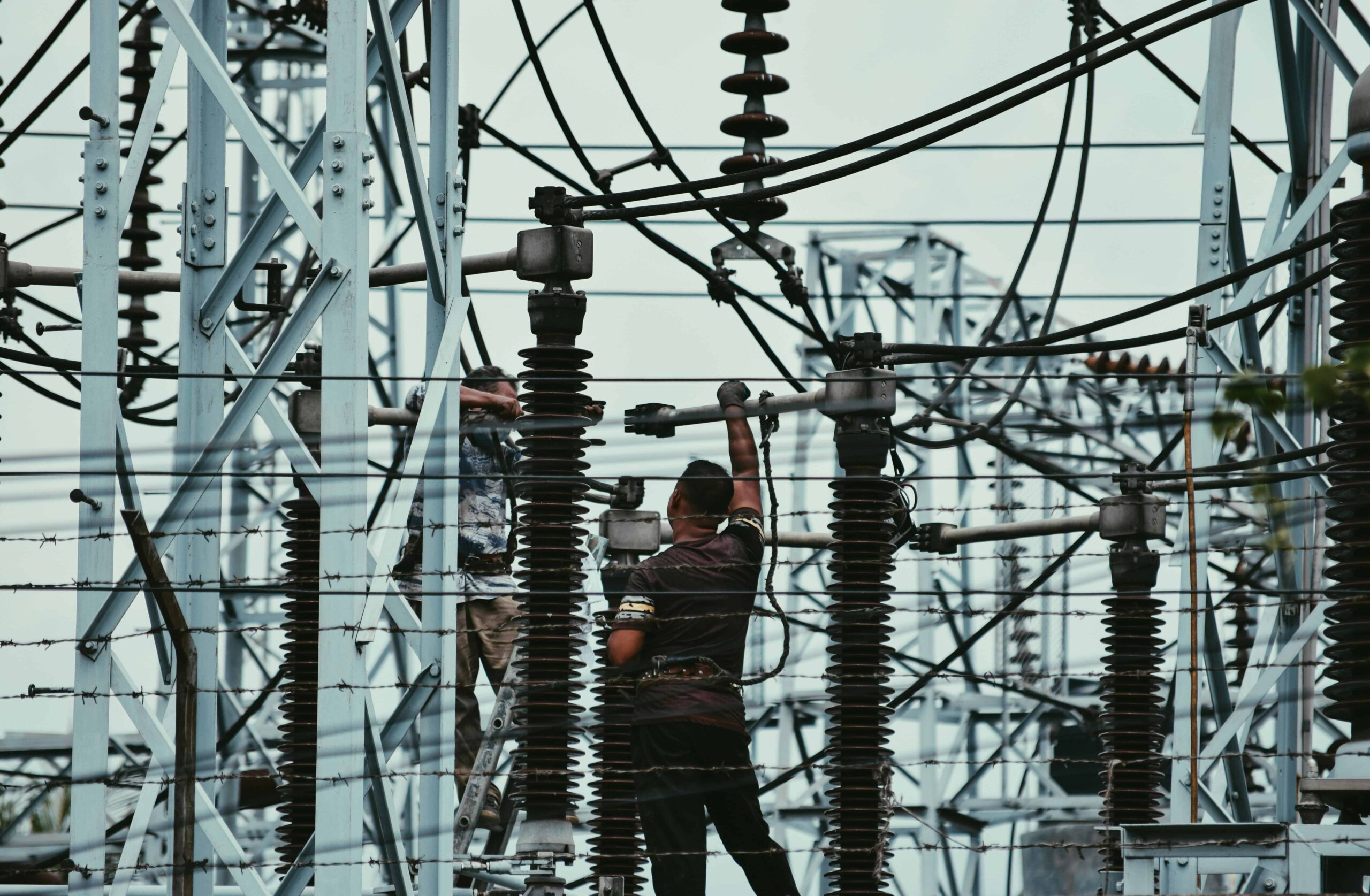
Most homeowners in Las Vegas don’t think about electricity until something goes wrong. A tripped breaker. A flickering light. A burning smell near the panel. By then, the problem is already serious.
The desert heat in Nevada is not like heat anywhere else in the country. It is relentless. It starts in May and doesn’t let go until October. And the whole time it bakes your home, it is quietly stressing your electrical system in ways most people never see coming.
What the Heat Actually Does to Your Wiring
Think of your electrical panel as the heart of your home. Every circuit runs through it. Every appliance pulls power from it. In the summer, that panel works harder than at any other time of year.
Your air conditioner alone pulls 30 to 40 amps when it starts up. Two units means 60 to 80 amps hitting your panel at the same moment. Add a pool pump, a water heater, a dryer, and an EV charger — and you are pushing your system to its limit every single day from June through September.
Heat makes this worse in a way most people never think about. Metal expands when it gets hot. Connections inside your panel that were tight in January can loosen by July. Loose connections create resistance. Resistance creates heat. That heat scorches wires, damages breakers, and in the worst case starts a fire inside the wall you cannot see.
Las Vegas homes built before 2005 often run on 100-amp or 150-amp service. That was enough back then. It is not enough now.
Warning Signs You Should Never Ignore
You don’t need to be an electrician to catch a problem early. Watch for these:
- Breakers that trip when the AC kicks on: Your panel is already near capacity and can’t handle the startup surge
- Lights that flicker or dim: A large motor is pulling voltage away from other circuits, or you have a loose neutral connection
- Outlets that feel warm to the touch: Current is leaking where it shouldn’t be; turn off that circuit and call someone
- A burning smell near the panel: Shut off the main breaker immediately and treat it as an emergency
- Outdoor outlets with no GFCI protection: Nevada monsoons turn an unprotected outlet into a shock hazard fast
Each of these signs has a fix. None of them get better on their own.
What a Panel Upgrade Actually Involves
Many homeowners put this off because they think it is expensive and disruptive. It is neither when it is done right.
If you are seeing any of those warning signs, the smartest move is to call a trusted Electrician Las Vegas before the summer heat turns a small problem into a costly one. A licensed pro starts with a load calculation, a real review of every circuit and how much power your home draws at peak demand. That number tells you exactly what size panel you need, not a guess.
From there, permits get pulled, the old panel comes out, and a modern 200-amp service goes in. Most jobs are done in a single day. When it is finished, you can run the AC, the pool pump, the dryer, and the EV charger at the same time without flipping a single breaker.
It is one of the best investments you can make before summer arrives.
Why Henderson Homes Need Extra Attention
Henderson is one of the fastest-growing cities in the country, but a large share of its homes were built in the 1990s and early 2000s. Those homes were wired to the standards of that era. The standards have changed. So have the electrical loads.
Many of those properties used aluminum branch circuits. Aluminum expands and contracts more than copper under desert heat cycling. Over time, connections loosen. Loose aluminum connections arc. Arcing creates extreme heat in a small space — usually inside a wall where no one notices until something burns.
If your Henderson home was built before 2005, don’t wait for a warning sign to find you. Reach out to a reliable Electrician Henderson who knows which neighborhoods used aluminum wiring, which panel brands had recall issues, and exactly how Clark County code applies to your property. Local knowledge cuts the diagnostic time in half.
What to Do in an Electrical Emergency
Electrical emergencies don’t wait for business hours. A failed breaker at 9 p.m. in July means no AC in a house that hits 90 degrees inside by midnight.
Here is what to do depending on the situation:
- Breaker won’t reset: don’t keep flipping it; something downstream is still pulling fault current
- Scorch marks on an outlet: shut off that circuit at the panel and leave it off
- Burning smell near the panel: shut off the main breaker and call immediately; don’t investigate it yourself
- Power out to part of the house: check the panel first, but if breakers look fine, the problem is likely at the meter base or service entry
A good electrician carries breakers, wire, and connectors in the truck. Most emergency repairs are completed on the first visit. You should not have to wait days for a part.
Act Before the Heat Does It for You
Las Vegas puts electrical systems under stress that most of the country never experiences. The cooling loads are massive. The UV exposure degrades outdoor components faster than almost anywhere in the US. And the thermal cycling — hot days, cooler nights, repeat — works connections loose over years in ways that are invisible until they aren’t.
The good news is that most failures are predictable. A panel running at 90% capacity gives you warning before it fails. A loose aluminum connection shows heat signatures before it arcs. If you act on the signs early, you stay ahead of the problem.
Get a load calculation. Have the panel inspected. Check your outdoor circuits before monsoon season starts. These are small steps that prevent large emergencies and they are a lot cheaper than replacing the damage a fire leaves behind.