

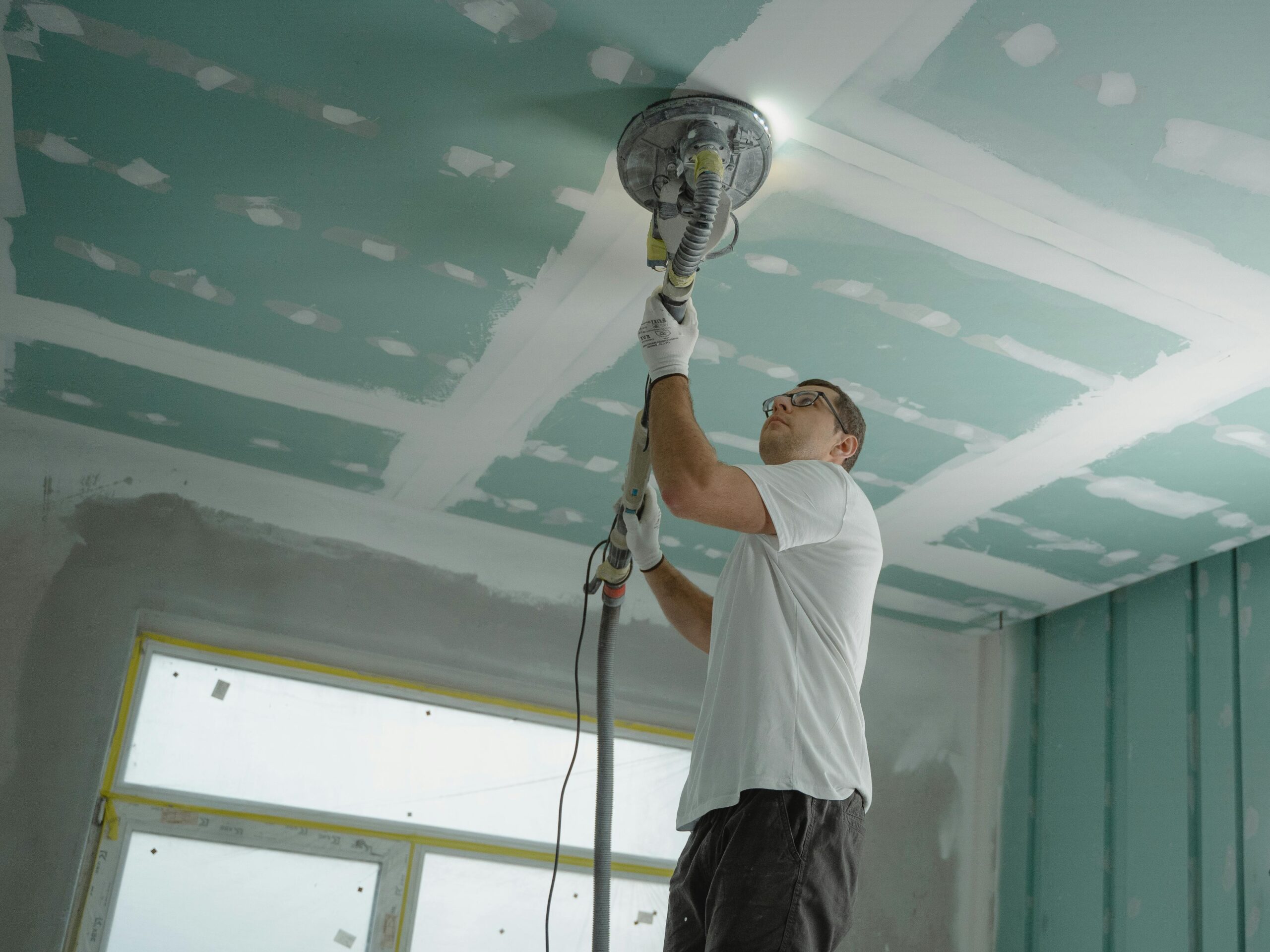
Stretch ceilings are a modern ceiling solution that use a specially engineered PVC or fabric membrane, tensioned across a perimeter track to create a perfectly smooth, finished surface. Homeowners and designers turn to stretch ceilings when they want a clean, contemporary look, flexible design options, and faster installation than traditional drywall or plaster ceilings. Companies like NYCeiling specialize in bringing this technology to homes and commercial spaces, integrating lighting, acoustics, and custom designs into a single system. For readers of FindTheHomePros.com, stretch ceilings offer a practical way to transform rooms without major demolition or ongoing maintenance.
What Is a Stretch Ceiling?
A stretch ceiling is a type of suspended ceiling that hangs a few inches below the existing structure using a lightweight aluminum or PVC track fixed around the room’s perimeter. The ceiling surface itself is a thin, strong membrane that is either heated (PVC) or tensioned (fabric) and clipped into the track so it tightens into a flat, seamless plane. This system hides imperfections, wiring, ductwork, and structural elements, while providing a smooth, finished surface that can be matte, satin, glossy, translucent, or even printed with custom graphics. Because the material is factory-cut to the room’s measurements, the final result is highly precise and tailored to each space.
Key Benefits for Homeowners and Businesses
Stretch ceilings bring both aesthetic and practical advantages, making them a strong alternative to traditional ceiling finishes.
1. Clean, Modern Aesthetics
The biggest visual advantage is the perfectly smooth, uniform surface that stretch ceilings create, free of cracks, joints, or visible fasteners. Glossy finishes can reflect light and visually enlarge smaller rooms, while matte and satin finishes deliver a subtle, elegant look in living rooms, bedrooms, and offices. With printed or translucent membranes, designers can add sky effects, patterns, or brand elements, turning the ceiling into a focal point instead of an afterthought.
2. Fast, Low-Mess Installation
Unlike traditional plaster or drywall work, stretch ceiling installation usually requires minimal surface preparation and generates very little dust or debris. The existing ceiling often does not need sanding, patching, or complete removal; installers fix the track to the walls, prepare lighting points, heat and tension the membrane, and finish the room with far less disruption. Many residential projects can be completed in a day or two, depending on room size and complexity, which is appealing for busy homeowners and commercial spaces that cannot afford long downtime.
3. Durability and Low Maintenance
Quality PVC stretch ceilings are highly resistant to cracking, sagging, peeling, and discoloration, so they maintain their appearance for many years with little upkeep. The membrane does not attract dust easily and can usually be cleaned with mild solutions and a soft cloth, avoiding harsh chemicals and repeated repainting. Many manufacturers report life spans of up to 20 years for their stretch ceiling systems, reducing the need for frequent replacements and associated waste.
4. Moisture Resistance and Protection
Stretch ceilings are a popular choice for kitchens, bathrooms, basements, and other moisture-prone areas because the membrane itself is moisture-resistant and non-absorbent. PVC systems can hold back water from leaks above for a limited time, protecting the room below until the source of the leak is addressed and the ceiling is drained and re-tensioned by a professional. This resistance to moisture helps prevent issues such as mold, mildew, and staining that often affect traditional plaster ceilings.
5. Design Flexibility and Integration
One of the defining strengths of stretch ceilings is their ability to integrate lighting, ventilation, and other services in a clean, coordinated way. Installers can incorporate recessed lights, LED strips, diffused backlighting, speakers, sprinklers, and air vents through reinforced openings in the membrane without compromising the smooth surface. Multi-level and curved designs are also possible by adjusting the supporting framework, giving designers freedom to sculpt the ceiling and define zones in open-concept spaces.
6. Acoustic and Energy Performance
The air gap between the original ceiling and the stretch membrane creates an opportunity to improve acoustics by adding sound-absorbing materials above the visible surface. This layered construction can also enhance thermal performance by reducing the volume of air to heat or cool and by incorporating additional insulation where needed. For many property owners, these extra benefits complement the visual upgrade and support comfort and efficiency goals in living, working, and hospitality spaces.
How Stretch Ceilings Are Installed
While homeowners may be familiar with painting or patching a ceiling, stretch ceiling installation follows a different, specialized process that is best handled by trained professionals.
1. Assessment, Measurement, and Design
The process starts with an on-site visit to measure the room, assess the existing ceiling, and discuss design goals, finishes, and lighting or ventilation requirements. These measurements are used to fabricate the membrane to the exact dimensions of the space, accounting for corners, curves, and any features that need to penetrate the ceiling.
2. Track and Infrastructure Preparation
Installers fix an aluminum or PVC track around the perimeter of the room (and sometimes across larger spans) to form the frame that will hold the stretched membrane. Platforms or mounting points for light fixtures, speakers, smoke detectors, or vents are attached to the existing ceiling at the correct height so they align precisely with the new ceiling surface.
3. Heating and Tensioning the Membrane
For PVC systems, the room is warmed using specialized heaters until the membrane becomes elastic enough to be clipped into the track and stretched evenly across the space. Once secured and the room returns to normal temperature, the material tightens to create a smooth, wrinkle-free surface; fabric systems are tensioned mechanically in a similar way, without heating.
4. Cutting Openings and Final Details
Reinforcing rings are glued to the membrane where lights, vents, or other elements will pass through, and openings are carefully cut inside these rings to prevent tearing. Fixtures are then connected to their wiring or ductwork and pulled through the openings, producing a finished ceiling with clean, precise transitions between surfaces and components.
Common Applications in Homes and Commercial Spaces
Stretch ceilings are versatile enough to work in a wide range of settings, from compact apartments to large commercial interiors.
- Living rooms and bedrooms: Smooth, modern ceilings with integrated lighting and options for glossy or matte finishes.
- Kitchens and bathrooms: Moisture-resistant surfaces that are easy to clean and compatible with recessed lighting and ventilation.
- Basements: A clean way to conceal pipes, wiring, and structural elements without extensive drywall work, while maintaining access when needed.
- Offices and retail spaces: Custom colors, shapes, and backlit or branded designs that support wayfinding and visual identity.
- Hospitality and public venues: Acoustic and decorative ceilings in lobbies, restaurants, showrooms, and event spaces.
Stretch Ceilings vs. Traditional Ceilings
When comparing stretch ceilings with traditional plaster or drywall ceilings, homeowners often focus on installation time, maintenance, and design flexibility.
How Stretch Ceilings Compare to Traditional Ceilings
| FeatureStretch CeilingsTraditional Plaster/Drywall | ||
| Installation time | Typically 1–2 days for many residential spaces, with minimal dust and prep. | Often several days including mudding, sanding, and painting, with more mess. |
| Surface finish | Perfectly smooth surface, wide choice of finishes and colors. | Good finish possible, but prone to cracking, joint lines, and surface imperfections over time. |
| Maintenance | Low maintenance, occasional gentle cleaning, no repainting needed. | Periodic repainting and patching often required as cracks and stains develop. |
| Moisture resistance | Highly moisture-resistant, suitable for kitchens, baths, and basements. | Susceptible to moisture damage, staining, and mold in damp environments. |
| Design flexibility | Supports curves, multi-level designs, and custom prints, with easy integration of lighting and ventilation. | Primarily flat planes; complex shapes and integrated systems require more complex construction. |
| Lifespan | Can last up to around 20 years or more with proper care. | Lifespan depends on paint, repairs, and moisture exposure; may need more frequent refinishing. |
Choosing a Professional Stretch Ceiling Installer
Because stretch ceilings involve specialized materials and tools, it is important to work with an experienced installer who understands both the technical requirements and design possibilities. A qualified contractor will handle measurements, membrane fabrication, track layout, and integration of electrical or mechanical systems so the finished ceiling performs well and meets local codes. Homeowners in major metropolitan areas can often find dedicated stretch ceiling companies, such as https://nyceiling.com/ in New York, that focus on these systems and offer a portfolio of completed projects for review.
If you are planning a renovation or new build, discussing stretch ceilings with your design and construction team early in the process will give you the most options for lighting, acoustics, and layout. Visitors to FindTheHomePros.com can explore the directory to connect with vetted home improvement professionals and then consult with a stretch ceiling specialist to determine whether this solution is the right fit for their space.