

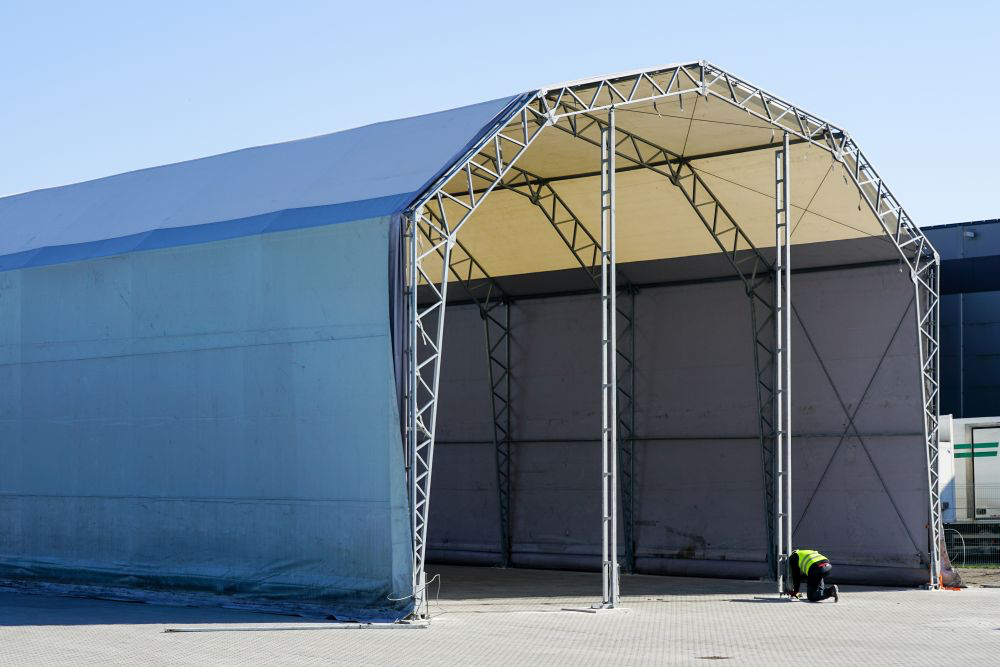
When you think of a building, you probably imagine heavy bricks, cold steel, and months of noisy work. But a different kind of structure is quietly taking over. Fabric buildings are no longer just basic tents for events. They’re now permanent, high-tech solutions for everything from massive sports hubs to giant warehouses.
These structures are tough, quick to put up, and surprisingly clever. Because they use lightweight materials and smart engineering, they’re helping companies build faster than ever before. They’re also better for the planet and much cheaper to run.
Here’s how fabric is moving away from the campsite and into the future of modern construction:
Provides a New Approach to Building
A fabric structure combines lightweight materials with smart engineering. These modern buildings use steel frames or high-strength aluminum to support durable fabric structures. They’re lighter than traditional concrete or steel, which can shorten the installation timeframe and reduce the need for heavy equipment.
Many buildings include welded components for extra stability, allowing wide, open interiors without load-bearing walls. This flexibility lets architects and builders adjust layouts to meet specific needs without redesigning the entire project.
Engineered fabric buildings offer a practical solution when speed, adaptability, and efficiency are priorities. Just make sure you look for a commercial fabric building manufacturer that prioritizes quality over shortcuts, so the structure is safe, durable, and built to last.
Balances Cost and Efficiency
Cost and time efficiency are often major reasons companies choose fabric buildings. The materials can be less expensive than traditional construction, and their lighter weight, along with prefabricated components, can reduce labor and shorten the build time.
Return on investment can be appealing, particularly for temporary or semi-permanent projects. A tension fabric building can be set up quickly, used for several years, and then relocated or adjusted without the high costs of demolishing a conventional structure. The combination of speed, flexibility, and lower costs makes these buildings a practical option for a wide range of projects.
Explores Design and Aesthetic Options
Modern fabric buildings are functional and visually appealing. Architects are experimenting with shapes, curves, and colors to create structures that fit into urban or rural settings. Fabric can be printed or coated, allowing for branding, signage, or artistic designs.
Sustainable features can enhance usability for sports halls, offices, or event spaces. Fabric buildings offer a balance of creative and practical design. With careful planning, these structures can feel permanent and inviting while keeping costs and installation time lower than traditional buildings.
Presents Environmental Considerations
Fabric buildings can provide several environmental benefits compared with traditional construction. Their lighter materials can reduce energy use during transport and lower material costs. Many structures can be relocated, reused, or recycled, which helps limit waste over time.
Frames made from galvanized steel or high-strength aluminum can extend a building’s lifespan while using fewer resources. Some designs can improve efficiency, potentially reducing the energy needed for heating or cooling. While fabric buildings aren’t automatically more sustainable, they offer options for projects where reducing environmental impact is a priority.
Enhances Natural Lighting and Comfort
Fabric buildings provide flexible space while also creating a brighter, more comfortable environment. Many durable fabric structures let diffused daylight pass through the material, which can reduce the need for artificial lighting during the day. Combined with energy-saving insulation, this helps maintain a pleasant interior temperature and lower energy use.
The natural light creates a more inviting atmosphere for workers and athletes alike. This makes these buildings well-suited for offices, workshops, or sports facilities. With high-strength aluminum or steel frames, fabric structures remain stable while offering open, airy interiors that are difficult to achieve with traditional construction.
Provides Portability and Relocation Options
One of the key benefits of fabric buildings is their portability. Unlike permanent brick or steel structures, tension fabric buildings can be relocated or expanded as needs change. This flexibility is helpful for seasonal storage, temporary warehouses, or businesses that expect to grow.
You can disassemble, move, and reinstall outdoor fabric structures with minimal disruption. Using galvanized steel, welded components, and durable fabric structures helps ensure the building remains stable and functional after relocation. For companies looking to get the most from their investment, this adaptability can be a significant advantage.
Offers Versatile Uses for Different Needs
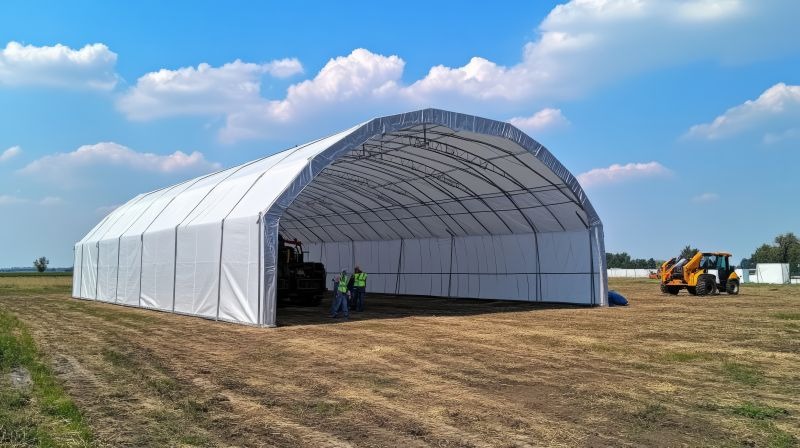 Fabric buildings can serve a wide range of purposes. Outdoor fabric storage buildings are commonly used in agriculture and logistics. They provide temporary or semi-permanent space for equipment, vehicles, or materials.
Enclosed fabric buildings, on the other hand, can include features like energy-saving insulation, sustainable flooring, and sound-absorbing covers. This makes them suitable for offices, sports facilities, or workshops.
The open interior of a tension fabric building allows you to adjust layouts easily. Companies can move equipment, expand the space, or create partitions without major reconstruction. This adaptability makes fabric structures a practical choice for industries that need flexible space without committing to permanent construction.
Conclusion
Fabric buildings have evolved from simple shelters into serious alternatives to traditional construction. They offer speed, flexibility, and cost savings that concrete and steel can’t match.
As the industry faces pressure to build faster and more sustainably, fabric structures are proving their worth. They won’t replace conventional buildings entirely, but they’re carving out a crucial role in modern construction. For projects that value adaptability and efficiency, fabric buildings deserve serious consideration.