

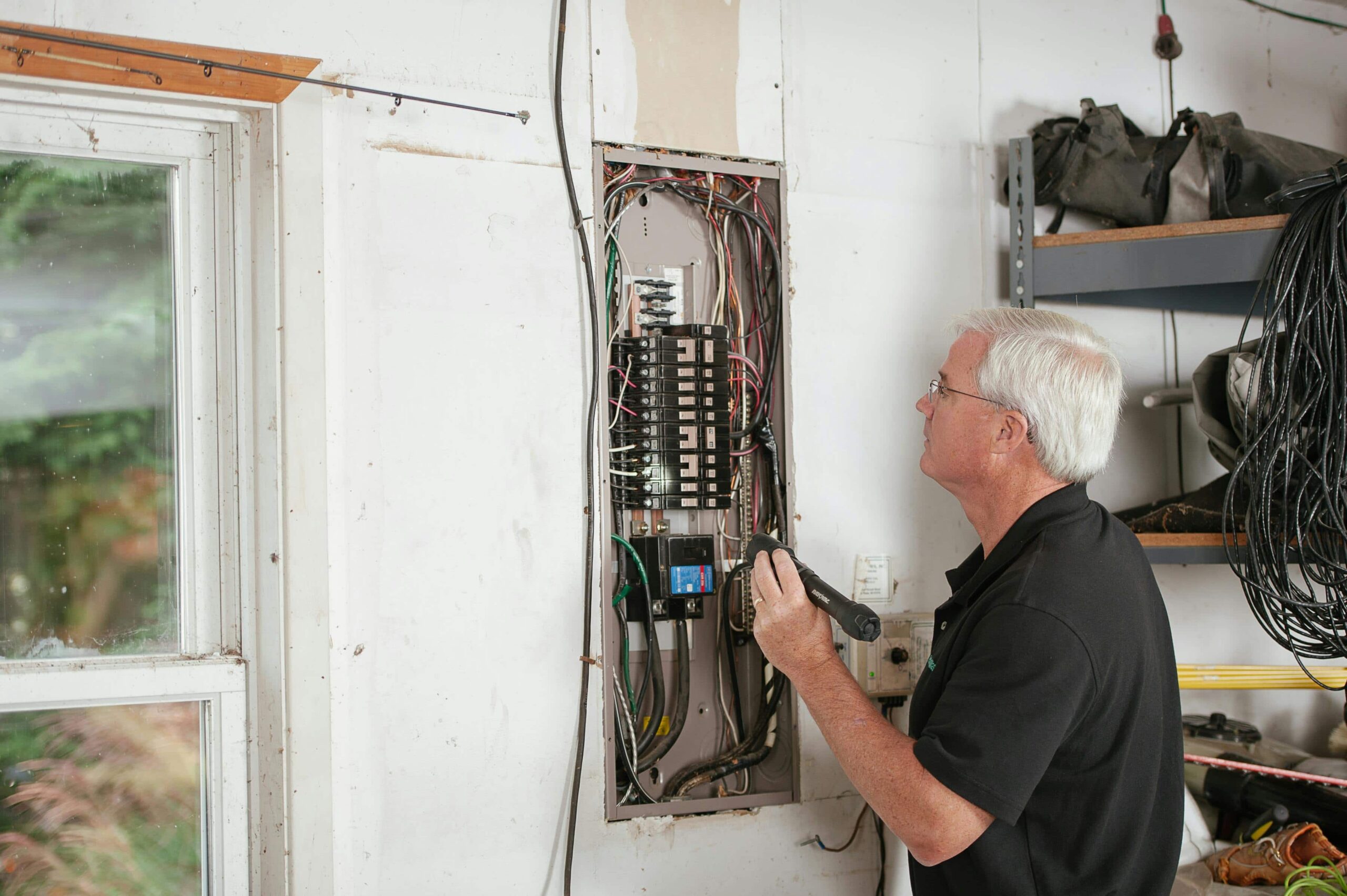
Hidden wiring once designed for simple appliances now carries the weight of high-powered equipment, automated systems, and continuous digital demand. Beneath walls and ceilings, aging conductors strain in silence, often overlooked until the first signs of failure appear. Fires, outages, and expensive downtime frequently trace back to infrastructure never meant to handle today’s loads.
The risks are not always obvious, yet their consequences are far-reaching. Overloaded circuits, deteriorating insulation, and improvised fixes gradually build into threats that disrupt safety and operations alike. Strengthening electrical networks requires foresight, planning, and decisive upgrades. Each improvement not only eliminates a hazard but also reinforces resilience, making modern facilities safer, more reliable, and better prepared for tomorrow’s demands.
Overload Dangers Hidden Behind Walls
A concealed branch circuit in a ceiling cavity can heat slowly, loosen connections, and ignite surrounding material before a breaker reacts. Packed junction boxes, daisy-chained outlets, and mismatched protective devices create hidden stress points that remain unnoticed until flickering lights or a faint burnt odor appears. These vulnerabilities drive growing interest in busway electrical systems, which eliminate many junctions and simplify load distribution across facilities.
Monitoring technologies further reduce risk. Panel metering tracks imbalances in real time, while arc-fault devices stop dangerous discharges before they spread. Wireless sensors and thermal scans highlight hotspots without demolition, supporting phased inspections that target only the circuits most at risk.
Aging Insulation That Quietly Degrades Safety
A brittle sheath tucked behind drywall rarely shows trouble until heat appears. Over decades PVC hardens, rubberized coatings crack, and cloth-wrapped conductors fray; that loss of dielectric strength lets conductors stray toward wood, insulation and paper. Small abrasions or chemical residues speed breakdown, turning a harmless run of cable into a hidden fire starter.
Routine visual checks miss what slow oxidation and moisture do. Those processes erode insulation until conductors show through, often at bends and entry points. Infrared scans combined with junction-box checks every two to three years catch brittle insulation before it sparks, offering a practical maintenance rhythm.
Unsafe Workarounds Driven by Inflexibility
Extension cords trailing across floors and power strips hidden beneath desks reveal wiring stretched past capacity. Each improvised connection raises resistance and heat, silently amplifying the chance of fire. Over time, these temporary fixes normalize into routine practice, leaving essential systems exposed to avoidable hazards that only surface when outages, equipment failures, or smoke demand sudden intervention and force costly, disruptive responses across facilities.
When permanent upgrades seem costly or complex, improvised solutions linger until risk becomes systemic. Adding a few strategically placed receptacles or higher-capacity circuits restores safety, eliminates clutter, and prevents dangerous dependency on makeshift fixes. Targeted audits highlight where expansion is most urgent, replacing fragile patches with durable, future-ready infrastructure that supports reliability, scalability, and long-term resilience.
Limited Visibility Into Faults and Failures
Faults hidden behind walls often progress without a single outward clue, quietly stressing circuits until they ignite or fail. Small overloads and arc discharges wear down insulation, weaken connections, and damage equipment long before technicians notice anything unusual. Traditional wiring offers no warnings, leaving teams blind to subtle shifts that escalate into major disruptions.
Modern tools reverse that disadvantage. Thermal imaging uncovers developing hotspots, while real-time sensors mounted at panels highlight current imbalances the moment they occur. Wireless monitoring extends awareness across entire facilities, providing instant alerts when risks persist. Together, these solutions shorten response times, contain problems early, and allow maintenance teams to protect both operations and safety with precision.
Maintenance Obstacles That Compound Risks
Tracing a single faulty circuit often means tearing into walls, crawling through tight spaces, and disrupting daily operations. What begins as a minor repair quickly expands into hours of labor, new permits and extended outages. Faced with cost, scheduling delays and tenant inconvenience, teams often postpone work until small flaws escalate into disruptive and dangerous breakdowns.
Missing documentation compounds the struggle. Without accurate diagrams or labeling, technicians waste time hunting connections instead of addressing faults. Modern tools like cable tracers, infrared scans and portable current sensors identify problems noninvasively, cutting repair time dramatically. Adding removable access points at junction clusters converts maintenance from a destructive process into a manageable, staged approach.
Electrical failures rarely announce themselves before causing damage, yet proactive measures can intercept risks early. Overloaded circuits, cracked insulation, and improvised connections all represent preventable hazards that weaken safety and reliability. Modern monitoring, accurate documentation, and accessible inspection points turn maintenance from guesswork into foresight. Thermal scans, current sensors, and wireless alerts provide the visibility older systems lack, exposing vulnerabilities long before sparks fly. Strengthening wiring now protects property, avoids costly outages, and secures operational continuity. Taking deliberate steps today means tomorrow’s infrastructure remains reliable, resilient, and ready for the pressures of constant demand.