

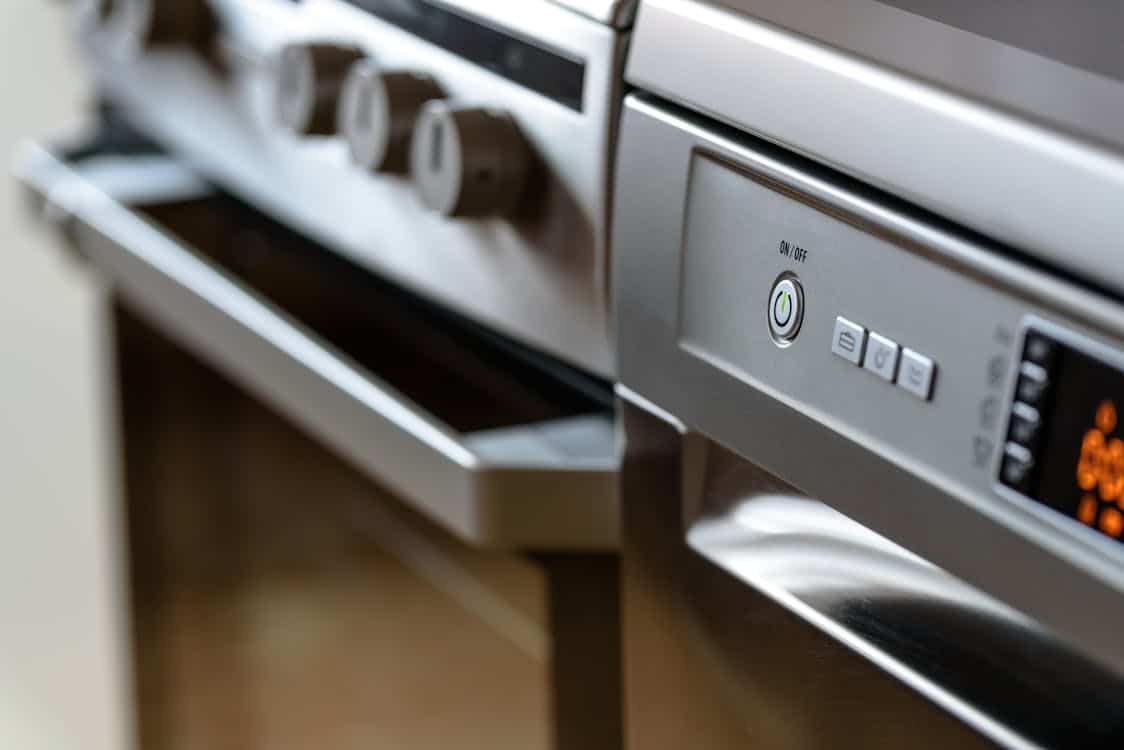
Household appliances are essential to daily life, simplifying tasks like cooking, cleaning, and preserving food. However, breakdowns can disrupt routines and lead to costly appliance repairs or replacements. By adopting proactive maintenance habits and understanding how appliances work, you can extend their lifespan and keep them running smoothly. This comprehensive guide explores practical strategies to prevent common appliance breakdowns, covering refrigerators, washing machines, dryers, dishwashers, ovens, and more. With actionable tips and insights, you’ll learn how to care for your appliances and avoid unexpected failures.
Understanding Appliance Lifespan and Common Issues
Appliances are designed to last for years, but their longevity depends on usage, maintenance, and environmental factors. On average, refrigerators last 10–18 years, washing machines 10–14 years, dryers 10–13 years, dishwashers 9–12 years, and ovens 10–15 years. However, neglect, overuse, or improper installation can shorten these timelines. Common issues include clogged filters, worn-out parts, electrical faults, and user errors. Preventive maintenance addresses these problems before they escalate, saving time and money.
General Maintenance Tips for All Appliances
Before diving into appliance-specific advice, here are universal practices to keep your household devices in top shape:
- Read the Manual: Every appliance comes with a user manual detailing maintenance schedules, usage guidelines, and troubleshooting tips. Familiarize yourself with these instructions to avoid misuse.
- Clean Regularly: Dust, grease, and debris can accumulate, causing appliances to work harder than necessary. Regular cleaning prevents buildup and improves efficiency.
- Inspect for Wear: Check hoses, cords, and seals for signs of wear or damage. Replace worn parts promptly to avoid breakdowns.
- Avoid Overloading: Overloading appliances, such as stuffing a washing machine or dishwasher, strains components and reduces efficiency.
- Schedule Professional Inspections: For complex appliances, annual or bi-annual professional checkups can catch issues early.
Now, let’s explore specific maintenance strategies for the most common household appliances.
1. Refrigerators: Keeping Your Food Fresh and Cool
Refrigerators are among the hardest-working appliances, running 24/7 to preserve food. Common problems include poor cooling, strange noises, and water leaks. Here’s how to prevent them:
Clean the Condenser Coils
Dust and pet hair can accumulate on condenser coils, typically located at the back or bottom of the fridge. This buildup forces the compressor to work harder, leading to overheating or failure. Clean the coils every six months using a vacuum with a brush attachment or a coil brush. Ensure the fridge is unplugged before cleaning.
Check the Door Gaskets
The rubber gaskets around the fridge and freezer doors create an airtight seal. Cracked or loose gaskets allow warm air to enter, straining the cooling system. Inspect gaskets monthly for tears or debris. Clean them with warm, soapy water and apply a thin layer of petroleum jelly to maintain flexibility. Replace damaged gaskets promptly.
Maintain Proper Temperature
Set the refrigerator to 37–40°F (3–4°C) and the freezer to 0°F (-18°C) to optimize performance and prevent overworking the compressor. Use an appliance thermometer to verify temperatures, as built-in gauges can be inaccurate.
Avoid Overloading
Packing the fridge too tightly restricts airflow, making it harder to maintain consistent temperatures. Leave space between items and avoid blocking vents. Similarly, don’t store hot food, as it raises the internal temperature and strains the cooling system.
Defrost Regularly (For Non-Frost-Free Models)
Manual-defrost freezers can develop ice buildup, reducing efficiency. Defrost when ice exceeds ¼ inch thick by unplugging the unit, removing food, and letting the ice melt naturally. Avoid scraping ice with sharp objects to prevent damage.
2. Washing Machines: Ensuring Clean Clothes Without a Hitch
Washing machines endure significant wear due to water, detergent, and mechanical stress. Common issues include leaks, excessive vibrations, and drum failures. Here’s how to maintain them:
Use the Right Detergent
High-efficiency (HE) washing machines require HE detergent to prevent excessive suds, which can damage components. For non-HE models, avoid overusing detergent, as residue buildup can clog hoses and pumps. Follow the manufacturer’s guidelines for detergent amounts.
Clean the Drum and Gaskets
Mold and mildew can grow in the drum and door gaskets, especially in front-load models. Run a monthly cleaning cycle with a cup of white vinegar or a specialized washer cleaner. Wipe down the door gasket after each use to prevent moisture buildup.
Inspect Hoses and Filters
Check water inlet hoses for cracks or bulges every six months. Replace them every 3–5 years to prevent leaks. Clean the lint filter (if present) after every load and the drain pump filter monthly to remove debris like coins or buttons.
Level the Machine
An unbalanced washing machine vibrates excessively, stressing the drum and motor. Use a bubble level to ensure the machine is even on all sides. Adjust the feet as needed and tighten any loose bolts.
Avoid Overloading
Overloading strains the motor and suspension system, leading to premature wear. Follow the manufacturer’s load capacity guidelines, typically measured by the volume of clothes rather than weight.
3. Dryers: Keeping Clothes Dry and Fluffy
Dryers face issues like poor drying performance, overheating, and lint buildup. Proper care ensures efficient operation and reduces fire risks.
Clean the Lint Filter
Lint buildup is a leading cause of dryer inefficiency and fire hazards. Clean the lint filter before or after every load. Every few months, wash the filter with warm water and a brush to remove residue from dryer sheets.
Clear the Vent System
A clogged dryer vent restricts airflow, increasing drying time and overheating risks. Inspect and clean the vent duct annually using a vent cleaning kit or hire a professional for thorough cleaning. Ensure the outdoor vent flap opens freely.
Check the Drum and Belt
Listen for unusual noises, such as squeaking or thumping, which may indicate a worn belt or damaged drum. Inspect the drum for cracks or sharp edges that could snag clothes. Schedule professional repairs for these issues.
Avoid Overloading
Like washing machines, overloading dryers strains components and reduces efficiency. Dry smaller loads to allow proper tumbling and airflow.
4. Dishwashers: Sparkling Dishes with Minimal Effort
Dishwashers simplify cleanup but can develop leaks, poor cleaning performance, or drainage issues. Here’s how to keep them in top condition:
Clean the Filter and Spray Arms
Most dishwashers have a removable filter that traps food particles. Clean it monthly under running water with a soft brush. Check the spray arms for clogs by removing them (consult the manual) and rinsing out debris. This ensures proper water flow for effective cleaning.
Use the Right Detergent
Use dishwasher-specific detergent and avoid overfilling the dispenser. Liquid dish soap creates excessive suds, damaging the pump and causing leaks. If hard water is an issue, consider a rinse aid to prevent mineral buildup.
Inspect the Door Seal
A worn or dirty door seal can cause leaks. Wipe the seal with a damp cloth weekly and check for cracks or tears. Replace damaged seals to maintain a watertight compartment.
Run Regular Cleaning Cycles
Mineral deposits and grease can accumulate inside the dishwasher. Run a cleaning cycle monthly with a cup of white vinegar placed in an upright container on the top rack. Alternatively, use a commercial dishwasher cleaner.
Load Properly
Improper loading can block spray arms, leading to poor cleaning and strain on the motor. Follow the manual’s loading guidelines, ensuring dishes don’t overlap and the spray arms can rotate freely.
5. Ovens and Stoves: Cooking Without Interruptions
Ovens and stoves face issues like uneven heating, faulty burners, or temperature inconsistencies. Regular maintenance keeps them reliable.
Clean Regularly
Spills and grease can accumulate, affecting performance and creating odors. Clean the oven interior every few months with a non-abrasive cleaner or a baking soda paste for stubborn stains. For gas stoves, clean burner grates and caps to ensure proper flame distribution.
Check the Door Seal
A damaged oven door gasket can cause heat loss, leading to uneven cooking and higher energy use. Inspect the gasket for cracks or wear and replace it if necessary.
Calibrate the Temperature
If baked goods are unevenly cooked, the oven’s thermostat may be off. Use an oven thermometer to check accuracy and calibrate the thermostat per the manual’s instructions or hire a professional.
Inspect Gas and Electric Components
For gas stoves, ensure burners ignite quickly and flames are blue and steady. Yellow or uneven flames indicate a gas flow issue requiring professional attention. For electric stoves, check coils or elements for cracks or burn marks and replace them as needed.
6. Microwaves: Quick Heating, Long Life
Microwaves are prone to issues like sparking, uneven heating, or turntable failures. Proper care extends their lifespan.
Keep It Clean
Food splatters can cause arcing or odors. Wipe the interior after each use with a damp cloth and mild detergent. Remove and clean the turntable regularly.
Avoid Metal and Improper Containers
Never use metal containers or foil, as they can cause sparks and damage the magnetron. Use microwave-safe dishes and covers to prevent splatters.
Check the Door and Seals
A damaged door or seal can leak microwaves, posing safety risks. Inspect the door for dents or warping and ensure it closes securely. Replace faulty components immediately.
Additional Tips for Appliance Longevity
Beyond appliance-specific care, consider these broader strategies:
- Use Surge Protectors: Electrical surges can damage appliance circuits. Plug appliances into surge protectors to safeguard against power fluctuations.
- Monitor Water Hardness: Hard water can cause mineral buildup in appliances like dishwashers and washing machines. Install a water softener if needed.
- Ventilate Properly: Ensure appliances like dryers and refrigerators have adequate ventilation to prevent overheating. Leave space around units as specified in the manual.
- Address Issues Promptly: Strange noises, leaks, or performance issues are early warning signs. Don’t ignore them—investigate or call a professional to prevent major breakdowns.
When to Call a Professional
While DIY maintenance can prevent many issues, some problems require expert attention. Contact a technician if you notice:
- Persistent electrical issues, like tripping breakers or flickering lights.
- Gas leaks or unusual smells from gas-powered appliances.
- Major component failures, such as a refrigerator compressor or washer motor.
- Error codes that persist after troubleshooting.
Conclusion
Preventing appliance breakdowns is about consistent care, proper usage, and timely intervention. By following these maintenance tips, you can extend the life of your refrigerators, washing machines, dryers, dishwashers, ovens, and microwaves. Regular cleaning, inspections, and adherence to manufacturer guidelines are key to avoiding costly repairs and ensuring your appliances perform reliably for years. Start implementing these practices today to keep your household running smoothly and efficiently.