
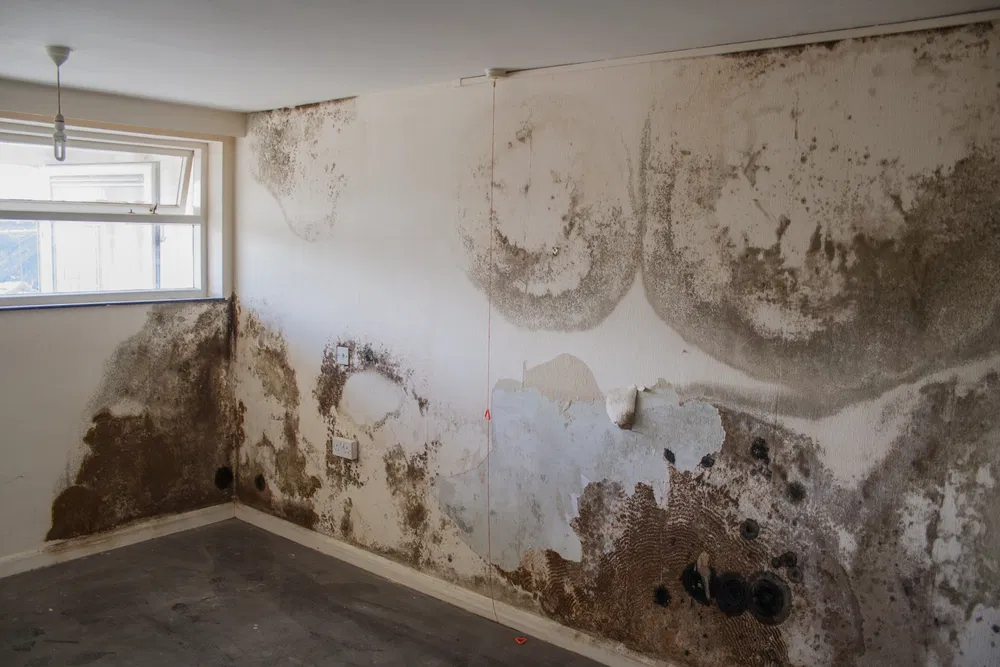
Rising damp is a persistent issue affecting many homes across the UK, particularly older properties with no or failing damp-proof courses. It occurs when moisture from the ground travels upwards through porous building materials like brick, mortar, and stone by capillary action, often leading to damaged walls, peeling paint, and musty odours. Effective treatment of rising damp involves both identifying and remedying the source of moisture to prevent further damage and ensure a lasting solution.
Addressing rising damp promptly is essential to protect the structural integrity of a home and prevent costly repairs. Solutions can include installing or repairing a damp-proof course, improving drainage, and using moisture-resistant materials.
Understanding what causes rising damp and knowing the available solutions helps homeowners take confident action, keeping their properties safe and dry for the long term.
Understanding Rising Damp in UK Homes
Rising damp is a widespread problem in many older UK buildings, affecting property value, structural integrity, and living conditions. It is distinct from other damp issues in how it forms and the visible signs it produces within affected walls.
Definition and Key Characteristics
Rising damp refers to ground moisture that moves upward through porous building materials such as brick, stone, or mortar. This happens due to capillary action, much like how a sponge draws in water from its base. The issue typically arises in buildings lacking a functioning damp-proof course or where existing damp-proof barriers have deteriorated.
This type of damp is identifiable by the fact that it starts at the base of internal walls and can rise up to about one metre. Salts from the ground often travel with the moisture and become visible on plasterwork as white, powdery deposits. Unlike other forms of damp, rising damp requires direct contact with the soil beneath or beside the building.
Older properties are particularly vulnerable, especially those built before modern damp-proofing regulations. Rising damp is rarely found above ground floor levels unless building materials bridge the damp-proof course.
Common Signs and Symptoms
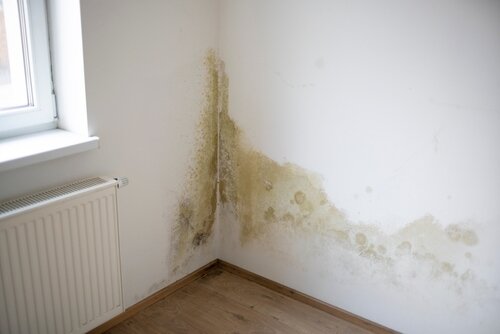
There are distinct indicators that help in identifying rising damp. The most common is a tide-mark or staining that appears horizontally across wall surfaces, generally within 1 metre from the floor. This line often shows where the moisture has reached its highest point.
Plaster on affected walls may blister, flake, or become crumbly. Walls may feel damp to the touch and emit a musty smell. Decorative finishes such as wallpaper or paint often peel or bubble away from the affected area.
Another sign is the presence of white or yellowish salt deposits left as water evaporates. Timber skirting boards and floorboards close to damp walls may show signs of rot, swelling, or warping. Unlike condensation, mould growth is less prominent but can still occur, especially in poorly ventilated rooms.
How Rising Damp Differs from Other Moisture Issues
Rising damp differs from other types of damp—like condensation and penetrating damp—in several crucial ways. The source of the moisture is always the ground, rather than the air or external rainfall. Capillary action moves water up through masonry, not across from external defects.
Table: Comparing Types of Damp
| Type | Source of Moisture | Key Characteristics | Usual Location |
| Rising Damp | Ground (soil) | Salt marks, tide lines, up to 1m | Lower internal walls |
| Penetrating Damp | External defects (rain) | Localised patches, all heights | Walls/ceilings |
| Condensation | Internal air | Surface mould, on windows/walls | Bathrooms, kitchens |
Rising damp progresses slowly and consistently upwards, whereas penetrating damp causes more irregular patches. Condensation typically leads to black mould and occurs where humid air meets cold surfaces.
Rising damp is often misdiagnosed, but correct identification is essential for choosing the right solution. Each type of damp requires different treatment strategies, making accurate assessment a priority for effective repairs.
Main Causes of Rising Damp
Rising damp is a specific problem caused by moisture moving upwards from the ground through walls and structures. It relates closely to how a property has been built, maintained, and protected from contact with soil moisture.
The Role of Damp-Proof Courses
A damp-proof course (DPC) is a horizontal barrier in walls, usually made from slate, bitumen, or plastic, designed to stop moisture rising from the ground. Older properties often have DPCs that have broken down over decades.
When a DPC fails or is absent, water from the ground travels up through brick, stone, or mortar by capillary action. This typically becomes visible as tide marks on internal walls and discoloured plasterwork.
Homeowners should note that the DPC is a requirement in most modern UK homes, but properties built before the early 20th century may not have had one installed. Regular inspections help spot cracks, erosion, or movement that undermines an existing DPC’s effectiveness.
Faulty or Bridged Damp-Proof Barriers
A DPC is only effective if it remains continuous and unbroken. Common causes of failure include physical damage—such as drilling through the course during renovations, or cracks resulting from structural settlement.
Bridging occurs when external materials, like soil, garden beds, or even internal rendering, provide a path for moisture over or around the DPC. For instance, if a patio or external path is laid above the original DPC level, water can bypass the barrier.
Regular checks should be made around the outside and inside of a property. Any building work or landscaping must always respect the original DPC level to avoid accidental bridging, as this is a frequent cause of rising damp.
Building Materials and Construction Practices
Some bricks and types of mortar are particularly porous and will naturally absorb water more readily. This issue is especially common in Victorian and Edwardian homes, where soft brick and lime-based mortars are often found.
Modern materials tend to be more resistant, but patch repairs using incompatible materials can increase the risk of damp problems. For example, replacing original lime mortar with cement-based mortar can trap moisture, contributing to dampness rising up the wall.
Early identification and repair using the correct materials maintain the wall’s ability to breathe and manage moisture. It’s vital that any repair work matches the existing construction for long-term protection against rising damp.
Impact of External Ground Levels
High external ground levels are a major factor in many rising damp cases. If soil, flower beds, driveways, or paving are built higher than the internal floor or above the DPC, moisture is able to bridge the barrier and enter the walls.
Properties on sloping sites, or which have had external landscaping added over the years, are especially vulnerable. Water may pool next to walls, especially during periods of heavy rain, further increasing the amount of moisture in contact with the property.
To prevent rising damp, ground levels should always remain lower than the DPC, ideally by at least 150mm. Regularly clearing gutters, downpipes, and drainage gullies also helps prevent excess moisture from saturating the external ground.
Effective Solutions for Treating Rising Damp
Addressing rising damp in UK homes requires targeted action to halt moisture intrusion and prevent future recurrence. A successful treatment plan often involves a combination of barriers, chemical treatments, improvements in property infrastructure, and minor adjustments to household ventilation or drainage.
Installing or Repairing Damp-Proof Courses
A damp-proof course (DPC) is a physical or chemical barrier within the wall designed to stop moisture from travelling upwards through capillary action. Many older homes either lack a DPC or have a damaged or ineffective one, making them especially susceptible to rising damp.
Professional installation of a new DPC often involves inserting a durable material, such as slate, plastic, or bitumen, into the mortar bed slightly above ground level. Repairing an existing DPC may include removing and replacing the compromised section. Proper installation requires specialist knowledge to ensure continuity around corners, openings, and joins.
Correctly installed DPCs must comply with British regulations and extend across the entire thickness of affected walls. Post-installation, walls may need to dry completely—this can take several months.
Damp-Proofing Injection Creams
Damp-proofing creams are a modern alternative, especially suited for retrofitting existing structures. The process involves drilling holes at the base of affected walls and injecting a silane/siloxane-based cream. This cream disperses and lines the mortar, creating a water-repellent barrier that blocks further upward moisture movement.
The main advantage of injection creams is their minimal invasiveness. Disruption to the property is limited, as there is no need for large-scale removal of wall sections. Application is relatively quick, and products are often compatible with a range of wall materials found in British homes.
Effectiveness depends on correct injection depth, spacing, and the porosity of wall materials. After treatment, replastering with salt-resistant plaster is recommended to remove residual contaminants left by rising damp.
Traditional and Modern Remediation Methods
There are both traditional and modern approaches to managing rising damp beyond damp-proof courses and injection creams. Traditional methods include using breathable renders and lime plasters, which allow walls to “breathe,” aiding drying while preventing trapped moisture.
Modern techniques range from electro-osmotic systems (which use low electrical currents to discourage water movement) to the use of advanced synthetic barriers. Some homes may require removal and replacement of damp, salt-contaminated plaster and masonry.
Table: Remediation Methods
| Method | Key Benefit | Suitable For |
| Lime render/plaster | Breathable, aids wall drying | Heritage and period properties |
| Electro-osmotic | Non-intrusive, chemical-free | Mixed construction types |
| Synthetic membranes | Physical barrier | Severe, persistent cases |
Improving Ventilation and Drainage
Poor household ventilation and drainage are contributing factors to persistent rising damp. Improving airflow helps walls dry out and reduces general indoor humidity. This can be achieved by:
- Installing or opening air bricks and vents
- Adding mechanical extract fans in kitchens and bathrooms
- Keeping furniture away from damp-prone walls
Externally, ensuring proper drainage prevents water from accumulating at the base of walls. Routine tasks include keeping gutters, downpipes, and drains clear, and making sure that paths or soil slope away from the house. In some cases, installing a French drain or other sub-surface drainage might be necessary to divert water from the foundation.
Attention to both internal and external factors increases the long-term effectiveness of all rising damp treatment methods.
Preventing Recurrence of Rising Damp
Effective prevention of rising damp involves maintaining both the inside and outside of the property and staying vigilant for early signs of moisture. Timely intervention and good building practices help safeguard a home against long-term structural problems.
Regular Property Maintenance
Routine inspection and upkeep are crucial for damp prevention. Property owners should check the condition of brickwork, mortar joints, and render for cracks or missing sections. These defects often create direct pathways for moisture to enter walls.
Damp proof courses (DPC) should be intact and visible above ground level. Painting or rendering should not cover the DPC, as this can bridge the protective layer and allow water to bypass it. Regularly clear wall vents and ensure air bricks are unobstructed to allow proper airflow.
Maintenance checklist:
- Inspect external walls every six months
- Repair damaged pointing or rendering promptly
- Keep gutters, downpipes, and drains clear
- Repaint window frames to stop water ingress
Managing External Water Sources
Water management around the property’s exterior is critical. Ground levels must be maintained below the level of the DPC. Any raised pathways, flowerbeds, or decking can bridge the DPC and direct moisture into the structure.
Check rooflines for leaks and ensure gutters are free of blockages. Overflowing gutters or downpipes can cause excess water to collect at a building’s base, leading to persistent moisture issues. Direct surface water away from foundations through well-designed drainage.
Key actions:
- Keep ground level at least 150mm below the DPC
- Slope soil and paving away from the property
- Install or maintain land drains if water pools near walls
- Divert drainpipes and overflow waste water
Monitoring and Addressing Early Warning Signs
Regular checks for early symptoms help prevent significant damp problems. Signs include tide marks, peeling paint, or a musty smell near the base of internal walls. Early identification means smaller interventions, reducing the risk of extensive repairs.
A basic internal wall inspection should be done every few months. Using a moisture meter can quickly identify hidden dampness before it becomes visible. If signs appear, engage a qualified damp specialist without delay.
Early warnings to watch for:
- Tide marks up to one metre above skirting boards
- Salt staining or crumbling plaster
- Peeling paint or wallpaper at lower wall levels
- Persistent condensation in affected rooms
Recent Comments