
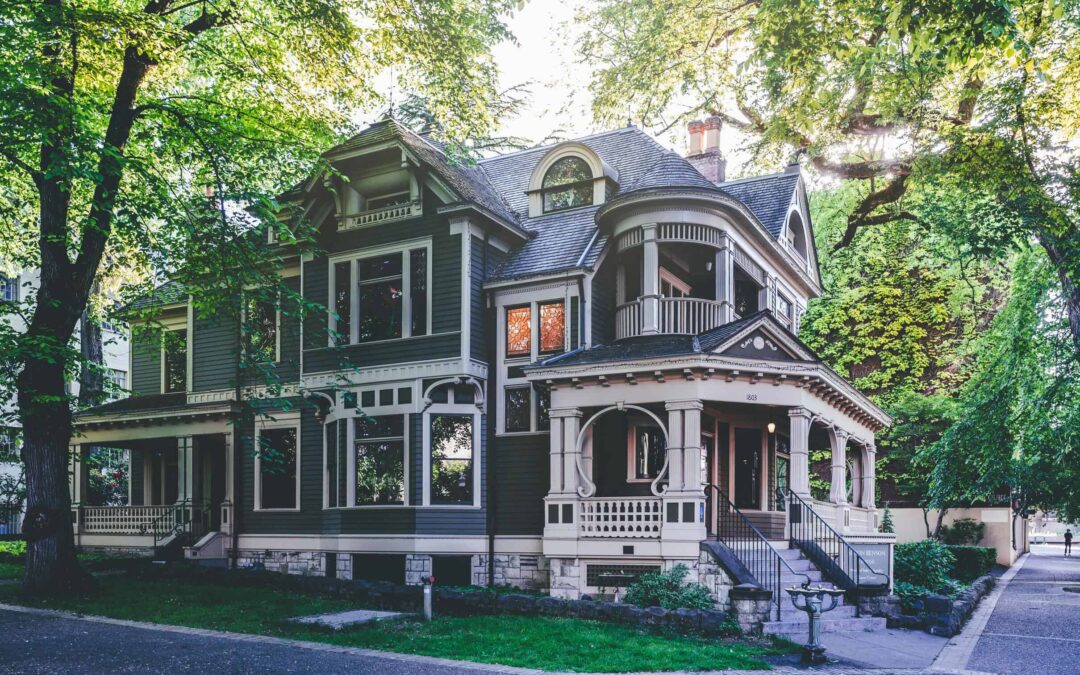
You’ve fallen in love with a historic home and bought it. We understand; the unique charm and character are simply captivating. More and more people in the U.S. are choosing to buy homes with history rather than something brand new.
Once you buy a historic home, you don’t just become a homeowner but the caretaker of a piece of the past. To live in it, however, you need modern conveniences. After all, that charming 1920s Craftsman wasn’t built with central heating, updated wiring, or today’s kitchen standards in mind.
So, how do you find that sweet spot? By remodeling in a way that honors the past while making space for the present. Here, we’ll share a few tips to pull it off without losing what makes the space special.
#1 Restore, Don’t Replace
When you’re renovating a historic home, you’re working with something truly special and one-of-a-kind. These features are unique and are incredibly difficult and expensive to replicate. A key principle to keep in mind is to prioritize preservation over replacement whenever you can.
Take boot scrapers, for instance. House Beautiful notes that these little iron contraptions built into the steps of the home porch were among the essential features in 19th- and 20th-century homes. But now they are nowhere to be found. If your home still has one, keeping it intact preserves a piece of history most people will never see again.
Restoration is often more cost-effective, especially for custom-built or no-longer-available materials. It is the most environmentally friendly option, as it reduces waste and lowers the carbon footprint associated with manufacturing new materials.
Not surprisingly, European directives have designed the Renovation Wave Initiative to accelerate historic building renovations. The plan’s objective is to raise the annual renovation rate to at least 3% and reduce the average energy demand of buildings by 75%.
#2 Preserve the Curb Appeal
Preserving your home’s curb appeal is just as important as the interior remodel. For wood siding, fix leaks and apply fresh paint to protect it from water and insects. Never cover original siding with modern materials like vinyl or stucco. Your landscape must also align with your home’s character, so use period-appropriate plantings.
Don’t forget the roof. It’s often an overlooked aspect of curb appeal. If you notice sagging, missing shingles, or water stains, don’t delay repairs. Historic homes are more vulnerable to leaks and drafts, and winter can make things worse. Ice dams can form, lifting tiles and letting melting ice seep into walls and attics.
Even in cities like Seneca, South Carolina, where snow averages just two inches a year, these problems happen. It would be wise to hire experienced roofers in Seneca, SC. They understand the quirks of older homes and can replace or repair your roof using materials that protect your investment while preserving its historic look.
If you plan to replace the roof, go for metal roofing. For centuries, metal roofs have been a common feature on historic buildings. According to SureFlow Roofing, these roofs are weather-resilient, meaning they hold up well against storms, humidity, and other severe weather.
#3 Blend Old and New in the Kitchen and Bath
Creating a kitchen and bath that are both functional and true to your home’s character is a major undertaking. These areas are often the most challenging spaces to modernize. The key is to blend modern comforts with timeless designs. This keeps them from feeling out of place or looking dated in a few years.
One way to achieve this is to thoughtfully incorporate appliances. For example, use cabinet panels on refrigerators and dishwashers to create a seamless, built-in look. You can also choose modern appliances that have a retro style. These appliances offer the latest technology and energy efficiency while featuring a vintage aesthetic.
For bathrooms, use classic materials that will stand the test of time, such as subway tile on the walls and hex tile on the floors. You can also add antique items, like a clawfoot tub or a marble-topped vanity.
Classic styles like Shaker doors are a great choice for cabinetry. They are a timeless design that fits well in a historic setting and can be repainted if your tastes change.
The Start of Your Home’s Next Chapter
Historic homes are treasures. The best way to approach a remodel is to honor the past while making the home suitable for the future. Focus on honoring the past rather than replacing it.
Remember these principles, and you’ll have a home that feels fresh and functional without losing that one-of-a-kind character you fell in love with. And honestly, that’s the best kind of remodel—one where history and modern living shake hands and live happily ever after.
This is such a valuable guide! Remodeling a historic home can be challenging, but striking the balance between modern updates and preserving original character is so rewarding. It’s great to see practical tips that respect both history and functionality.