
You might assume your yard is the safest place around. It’s home turf, after all. But when you’ve got kids tearing through it like pint-sized tornadoes, things can go sideways fast.
From hidden trip hazards to that trampoline you haven’t checked since last summer, the place you thought was worry-free could be a playground of accidents waiting to happen. Let’s fix that. Fast.
Backyard Hazards Parents Often Overlook During Playtime
Here’s a fun fact: most childhood accidents happen right at home. Not the parking lot, not the school—right outside your kitchen window.
You might be thinking, “My kids just play with the dog and dig holes for worms. What could go wrong?”
A lot. Think loose stepping stones, old nails hiding in the grass, or even your garden hose turned into a tripping trap.
That pile of firewood? Might be housing more than logs—think spiders, or worse, snakes. Remember those patio chairs you promised to fix last spring? Yep, they’re probably still wobbly enough to topple.
The danger isn’t always loud or obvious. Often, it’s low-key lurking.
Why Trampolines and Playsets Can Turn Dangerous
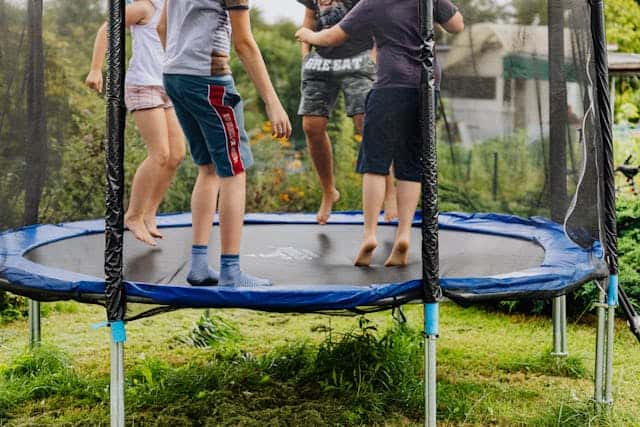
Kids and trampolines are like peanut butter and jelly—until somebody ends up with a sprain, or worse.
Let’s get real: Trampolines are injury magnets if they’re not maintained or monitored. Torn netting, missing springs, or that one bent leg you’ve been ignoring? All risky business.
And don’t even get us started on wooden playsets. Over time, they weather, rot, and develop screws that poke out like little medieval traps.
Add in a lack of supervision or clear rules (like, “No front flips while eating a Popsicle”) and you’ve got a recipe for urgent care visits.
It’s not about bubble-wrapping childhood—it’s about checking what your kids are launching off of.
Poor Fence Maintenance Can Put Children in Harm’s Way
You trust your fence to keep the chaos in and the danger out. But that trust can backfire fast if your fence is falling apart like a soggy cracker.
A loose panel? Easy escape route. A jagged board? Instant tetanus territory.
Here’s the thing: Wood warps, metal rusts, and time isn’t exactly a handyman. If your perimeter looks like it’s auditioning for a haunted house, it’s time to call in a fence company that knows what safe boundaries should look like.
Because a secure fence isn’t just for keeping stray dogs out—it’s for peace of mind when your toddler decides to sprint like they’re in the Olympics.
Toxic Plants and Pesticides That Don’t Belong Near Kids
Some greenery looks pretty but hides a dark side. That flowering bush your neighbor swears by? It could be toxic if your toddler decides to taste-test it.
Here are just a few common plants that should send up red flags:
- Oleander
- Foxglove
- Lily of the Valley
- Daffodils
- Hydrangeas
Now pair that with backyard pesticides—sprays, pellets, and powders—and you’ve got an unintentional science experiment brewing near the swing set.
The key here is knowing what’s planted where, and locking away any chemicals like they’re gold bars. (Because honestly, they’re just as valuable when it comes to safety.)
Water Features and Pools That Pose Silent Dangers
Water’s sneaky. It seems peaceful and harmless, right up until it’s not.
Even a little water can be risky, particularly for children under five. Think fish ponds, fountains, and those plastic kiddie pools you forgot to dump. Standing water attracts more than mosquitoes—it attracts curious minds with zero concept of depth or danger.
Uncovered pools? That’s a whole different story. Without proper fencing or alarms, they’re like open invitations to disaster.
If you’re not using your water features every day, consider draining them or installing safety covers. That 30 seconds of effort could be a literal lifesaver.
Outdoor Tools and Furniture That Can Be Dangerous
Let’s talk gear. Lawnmowers, hedge trimmers, and rusty rakes don’t belong where kids play tag.
It might feel like common sense, but you’d be surprised how many parents leave tools leaning up “just for a second.” Seconds are all it takes.
That innocent-looking patio umbrella? It can turn into a flying hazard if the wind picks up and it’s not secured. And heavy furniture that tips? No, thank you.
Do yourself a favor: If it has sharp edges, wheels, or weighs more than a golden retriever, store it like it’s radioactive.
Conclusion: Keep Your Backyard Safe with Simple Fixes That Go a Long Way
Here’s the good news: You don’t need to bulldoze the yard or live in constant paranoia.
It’s about a few smart choices:
- Do a walk-through once a month.
- Fix what’s broken before someone finds it the hard way.
- Partner with trusted pros when you need reinforcements (yes, like a reputable fence company when your boards go rogue).
Growing up is chaotic enough—no need to add avoidable injuries to the chaos. So take a lap, grab some gloves, and give your outdoor space a once-over. Future you (and your band-aid stash) will thank you.
FAQs
What are the most dangerous outdoor items for kids?
Trampolines, unsecured playsets, old tools, and pools without fences top the list. Anything sharp, heavy, or prone to tipping is worth moving out of reach.
How can I make my yard safer without spending a fortune?
Start with a visual safety check. Fix loose boards, lock away chemicals, remove toxic plants, and cover water features to prevent accidents. Most improvements cost more in time than in money.
Are certain plants dangerous for kids to be around?
Absolutely. Oleander, foxglove, and even daffodils can be toxic if ingested. Check plant names and cross-reference with child-safe lists before planting.
Do I need a fence if I don’t have a pool?
Yes—fences keep kids in and unexpected guests out. They’re significant near roads, wooded areas, or large gardens with potential hazards.
What should I do with outdoor tools and equipment after use?
Store them in a locked shed or garage. Don’t leave tools lying around or propped up; kids can find them in seconds. Kids have a knack for finding them.
Recent Comments