
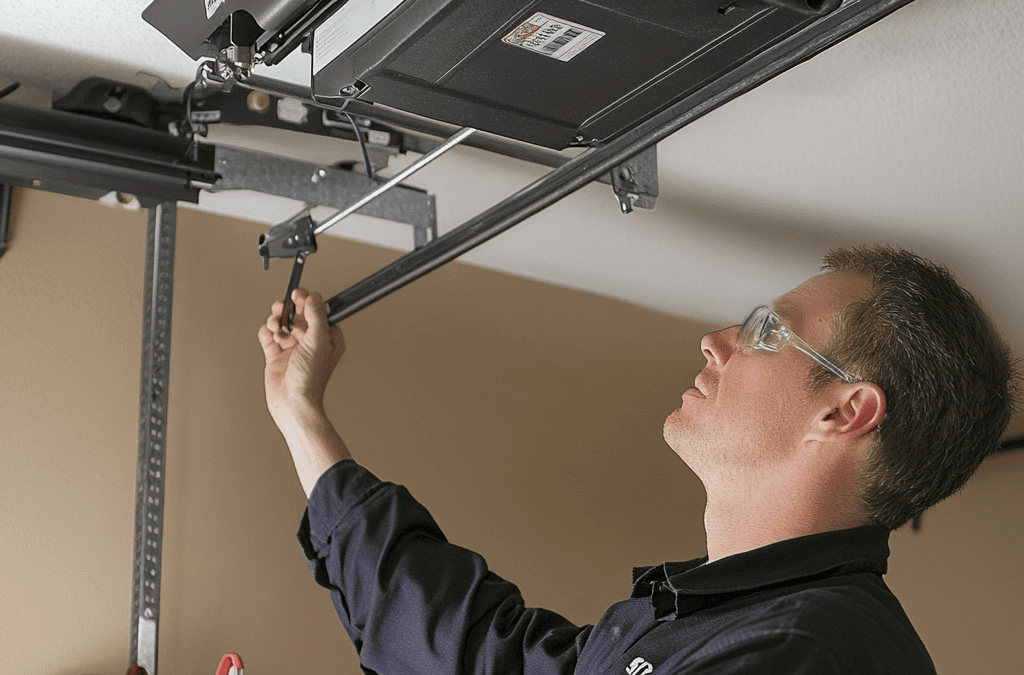
Every homeowner knows that moment of panic when you press the garage door remote and nothing happens. Whether you’re dealing with emergency garage door opener repair needs during a Rochester winter storm or seeking reliable garage door opener repair services for routine maintenance, understanding when your opener is crying for help can save you from being locked out in subzero temperatures or sweltering summer heat.
The garage door opener quietly serves as one of your home’s hardest-working mechanical systems, often cycling thousands of times per year without complaint. However, just like smart garage door maintenance strategies that extend equipment lifespan, recognizing early warning signs can prevent complete system failures. Comprehensive garage door troubleshooting techniques from trusted home improvement experts reveal that most opener problems start with subtle symptoms that homeowners often overlook until it’s too late.
When Your Opener Starts Speaking in Code
Think of your garage door opener as a mechanical pet that communicates through sounds, movements, and behaviors. Just as you’d notice if your dog started limping or your cat stopped purring, your opener gives clear signals when something’s amiss. The key is learning to interpret these mechanical messages before they escalate into emergency situations.
Strange noises represent the most common early warning system. A grinding sound that wasn’t there last month might indicate worn gears inside the motor housing. Excessive rattling could signal loose hardware throughout the system, while unusual clicking or humming sounds often point to electrical issues that require immediate attention. These aren’t just annoyances; they’re your opener’s way of requesting help before a complete breakdown occurs.
The Intermittent Performance Puzzle
One of the most frustrating opener problems involves intermittent operation that seems to follow no logical pattern. Your opener works perfectly for weeks, then suddenly refuses to respond, only to work again hours later. This Jekyll and Hyde behavior typically stems from one of several underlying issues that worsen over time without intervention.
Temperature fluctuations can cause metal components to expand and contract, affecting electrical connections and mechanical tolerances. Circuit boards sensitive to temperature variations may function normally during mild weather but fail during extreme conditions. Remote control batteries that seem fine might provide inconsistent power as they near the end of their life cycle, creating sporadic response patterns that baffle homeowners.
The Mystery of the Partially Opening Door
Few garage door problems are more perplexing than a door that opens halfway, then stops or reverses direction. This behavior often leaves homeowners scratching their heads, wondering whether the issue lies with the door itself, the opener, or something else entirely. The answer usually involves the opener’s built-in safety systems that have become overly sensitive or misaligned.
Photo-eye sensors positioned near the floor can become dirty or misaligned, sending false signals to the opener’s control board. These sensors interpret dust, spider webs, or even bright sunlight as obstructions, causing the door to stop mid-cycle. Similarly, limit switches that control how far the door travels may drift out of adjustment over time, creating the appearance of mysterious mechanical problems when the real issue involves simple calibration.
The Speed and Vibration Connection
As garage door openers age, they often begin operating more slowly than when new. While this gradual change might seem like a minor inconvenience, it actually indicates several potential problems that could lead to complete failure. Worn internal components create increased friction, forcing the motor to work harder to achieve the same results.
Excessive vibration represents another red flag that homeowners frequently dismiss as normal aging. However, significant vibration often indicates that internal components are wearing unevenly or that mounting hardware has loosened over time. This vibration can transfer throughout your home’s structure, creating noise issues in adjacent rooms while potentially damaging the opener’s mounting system.
The Remote Control Rebellion
Modern life depends heavily on the convenience of remote-controlled garage door operation, making remote control problems particularly frustrating. When remotes become unreliable, the issue might stem from the remote itself, the opener’s receiver, or interference from other electronic devices becoming increasingly common in today’s connected homes.
Range problems often develop gradually, with remotes that once worked from the street requiring you to be increasingly closer to the garage. This typically indicates a weakening signal from either the remote transmitter or the opener’s receiver antenna. Multiple remotes failing simultaneously usually points to receiver problems rather than coincidental remote failures, suggesting the need for receiver replacement or antenna adjustment.
Electrical Symptoms That Demand Attention
Garage door openers rely on sophisticated electrical systems that can develop problems invisible to casual observation. Circuit breakers that trip repeatedly when the opener operates indicate electrical overload conditions that could lead to motor damage or fire hazards. Similarly, lights that flicker when the opener runs suggest electrical problems that extend beyond simple bulb replacement.
Wall switches that work intermittently often indicate wiring problems between the switch and the opener motor. These low-voltage circuits can develop shorts or breaks that create unpredictable operation patterns. Since these electrical issues can worsen over time and potentially create safety hazards, they require prompt attention from qualified service technicians.
Weather-Related Performance Issues
Diverse weather patterns create unique challenges for garage door openers that homeowners in milder climates never experience. Cold weather can thicken lubricants, making door operation more difficult and causing openers to strain beyond their normal operating parameters. Ice formation around door seals can create additional resistance that triggers safety systems designed to prevent crushing injuries.
Hot summer weather creates different challenges, with electronic components potentially overheating and metal parts expanding beyond normal tolerances. Air conditioning units running near garage door openers can create electrical interference, while high humidity levels can cause corrosion in electrical connections that gradually degrade performance.
The Economics of Timely Repair
Understanding the financial implications of garage door opener problems helps homeowners make informed decisions about when to seek repair services. Early intervention often involves relatively simple adjustments or component replacements that cost significantly less than complete opener replacement. Delaying repairs typically allows problems to compound, often resulting in damage to multiple components that could have been prevented.
Emergency repair calls during extreme weather conditions or outside normal business hours command premium pricing that routine maintenance visits avoid. Planning repairs during mild weather periods and normal business hours provides cost advantages while ensuring that your opener receives attention before problems escalate into emergencies.
Choosing the Right Repair Partnership
Not all garage door repair services possess the expertise, equipment, and commitment to quality that complex opener problems require. The best repair technicians combine extensive technical training with genuine concern for customer safety and satisfaction. They arrive prepared with comprehensive diagnostic equipment and maintain inventory of common replacement parts to complete repairs efficiently.
Professional repair services understand that garage door opener problems often involve multiple interconnected issues requiring systematic diagnosis rather than simple part replacement. They provide detailed explanations of problems discovered, recommend preventive measures to avoid future issues, and stand behind their work with meaningful warranties that protect your investment.
Your garage door opener deserves the same attention and care that you provide to your home’s other essential systems. Recognizing early warning signs and responding promptly with professional repair services ensures reliable operation while avoiding the inconvenience and expense of complete system failure during the worst possible moments.
Recent Comments